
Livraison le jour même ou le lendemain

Qualité garantie

Débloquez vos offres de bienvenue: Livraison GRATUITE | Jusqu'à -80 % | 30 jours d'essai gratuits à JoyPlus
Téléchargez l'application
School and office supplies can quickly add up when you let yourself be guided by looks, the number of pieces, or a tempting discount. A pack of pens that dry out in a few weeks, a notebook with paper that doesn't feel right, or a planner that's too bulky often end up at the back of a drawer.
Pupils, students, parents, teachers, remote workers, or journaling enthusiasts: the same mistakes keep cropping up.
For pens, a 0.5 mm tip works well for precise annotations and compact handwriting. With 0.7 mm, the line is bolder – a handy format for quick note-taking and everyday documents.
Erasable gel ink pens can be useful for homework, lists, or planners. However, avoid them for documents that need to stay legible over time. Heat can alter thermosensitive ink. The Deli 0.5 mm erasable gel pen, for instance, states it is not suitable for receipts printed on thermal paper or for documents requiring permanent ink.
For pastel highlighters, the chisel tip remains the most versatile. The STABILO BOSS ORIGINAL Pastel offers two line widths, 2 and 5 mm, while some Deli markers cover a variable width of 1 to 5 mm. These details are far more telling than a vague mention of "multi-function tip".
The paper weight gives an indication of thickness, but it isn't enough to determine writing comfort. The texture, ruling, and binding type also play a part.
Clairefontaine Koverbook notebooks use 90 gsm Velin Velouté paper and offer 96 pages, along with two flaps with pockets. Oxford Easybook Oceanis notebooks use the Seyès ruling, very common in French schools, with 96 pages per notebook.
A polypropylene or PVC cover protects the pages better from scuffs and light moisture splashes than a thin paper cover. On a planner or notepad, an elastic closure, a bookmark, or a pen loop also help keep accessories within reach.
Lifespan also depends on how the supplies are used. Closing felt-tips after use, keeping pens away from extreme temperatures, and storing notebooks in a dry place is often enough to limit damage. Sharpeners with a reservoir prevent scattering shavings on the desk, provided you empty the compartment regularly and keep the blades clean.

Why this choice suits this profile: Each retractable pen combines four colours. You buy and carry fewer items while keeping the essential shades at hand.
The pack of three pens doesn't multiply the barrels to get four colours. The push-button mechanism also avoids caps that disappear to the bottom of the pencil case.
0.7 mm ballpoint tip, non-slip grip, and black, blue, red, and green inks in each pen.
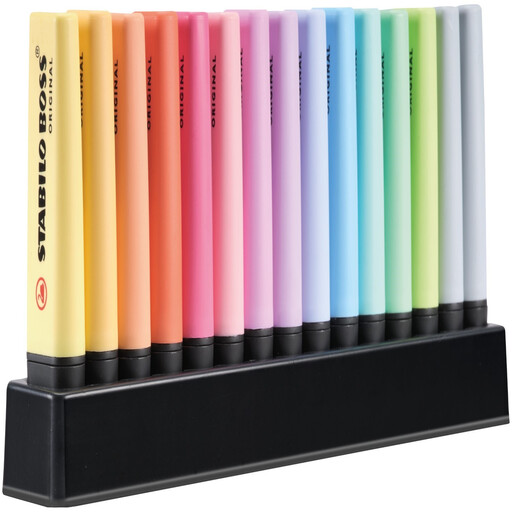
Why this choice suits this profile: Those who like to organise their lessons, documents, or planner by colour have 14 pastel shades gathered in a case that's easy to keep on the desk.
The chisel tip delivers the two stated line widths. The water-based ink clearly separates highlighting from decorative use.
15 pieces, 2 and 5 mm tips, stated capacity up to 375 m, and anti-dry technology for up to 4 hours without a cap.
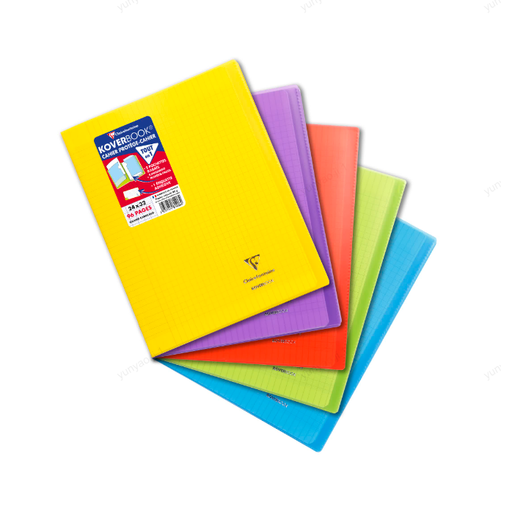
Why this choice suits this profile: A pupil, teacher, or professional who handles their notebooks regularly will find a large format paired with a protective cover here.
The 24 × 32 cm size and integrated flaps prevent you from folding loose sheets or stacking separate folders.
96 pages per notebook, 90 gsm paper, transparent polypropylene cover, and stated manufacture in France.
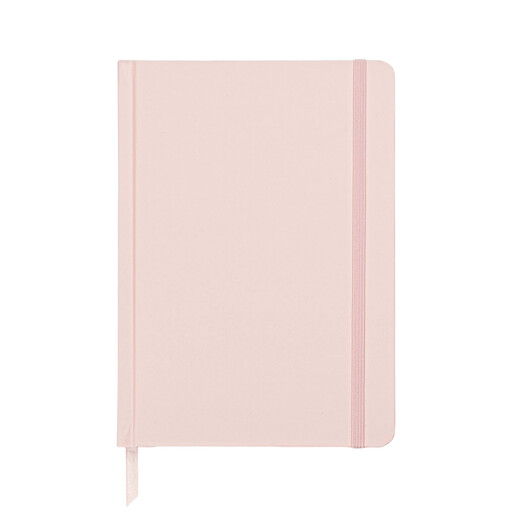
Why this choice suits this profile: Its undated layout suits those who alternate between busy periods, personal projects, and goal tracking, without leaving pages unused.
The A5 size keeps it compact while still offering space for monthly and weekly pages, plus free notes.
112 sheets of 100 gsm offset paper, hard cover, elastic closure, and bookmark.
To complete a pencil case or set up a workspace, a few accessories can really make a difference:
We've put together a comprehensive, real-time updated selection of products that meet these exacting criteria as well as European safety requirements.
80 to 90 gsm paper is generally fine for everyday writing. 100 gsm feels denser and works well with gel pens, planning, or certain annotations. However, the result depends on the ink type and the pressure applied to the paper.
There is no universal shelf life. Close highlighters after use, protect them from heat and moisture, and store pens following the manufacturer's recommendations. An erasable pen should be reserved for uses where the ink doesn't need to be permanent.
Start by making a list based on your uses: writing, correcting, measuring, filing, and planning. Then compare the number of pieces, dimensions, and features that will genuinely be useful to you. Packs of notebooks, pencils, or pens can lower the unit price, but only if the formats match your regular needs.