
Livraison le jour même ou le lendemain

Qualité garantie

Débloquez vos offres de bienvenue: Livraison GRATUITE | Jusqu'à -80 % | 30 jours d'essai gratuits à JoyPlus
Téléchargez l'application
Buying school and office supplies seems straightforward… until the leads snap, the exercise books warp or the pens dry up after just a few uses. Between oversized multipacks, comfort promises and trendy colours, some essential criteria can easily slip under the radar.
For primary school children, secondary school pupils, college students, teachers and professionals alike, the right choice depends above all on how you’ll actually use them. Here are the pitfalls to avoid, the points to check and a selection tailored to different needs.
A pack of pens, HB pencils or highlighters is only good value if its contents match what you need. An over-generous assortment can tie up part of your budget and leave several colours unused at the bottom of a drawer. So check the number of pieces, the colour breakdown and whether you can replace refills or leads.
An ergonomic shape or non-slip coating can make the grip more comfortable, but that doesn’t mean you can ignore the practical specifications. For prolonged use, consider the tip diameter, the type of ink, the weight of the barrel and whether there’s a grip. A 0.5 mm rollerball won’t give the same result as a 1.0 mm ballpoint.
Imported exercise books don’t always match French school habits. For exercises and note-taking in class, check the size, number of pages and ruling. Seyès exercise books, for example, are designed to support structured handwriting, whereas an A6 notebook is better suited to lists, ideas and quick notes.
For a school exercise book, check the dimensions and ruling. A 17 × 22 cm book slips easily into a bag and works well for everyday homework. A larger 24 × 32 cm format gives you more space for lessons, tables and written assignments.
The paper weight is also a useful indicator, though it alone doesn’t guarantee no show-through. An 100 g/m² offset paper or 90 g/m² paper can offer a pleasant surface, but the result also depends on the ink you use.
School compasses have a metal point: store them in their case and use them with the recommended age in mind. For pens and highlighters, put the caps back on properly to prevent them drying out. Keep exercise books and notebooks in a dry place, away from prolonged damp.
For products intended for young children, check the warnings about small parts and sharp points. The manufacturer’s information and the details of the responsible party established in the European Union should be accessible from the product page.
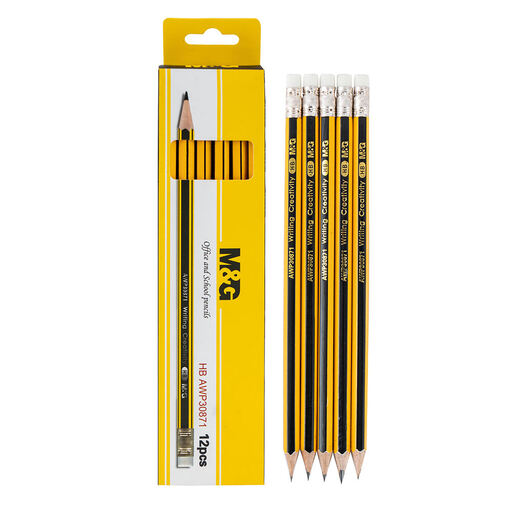
Why this choice suits this profile: This pack is ideal for first school purchases, homework and simple drawing activities. The pencils come pre-sharpened and have an integrated eraser.
The 12-pack format saves you buying pencils individually, while the hexagonal shape helps prevent them rolling off the desk.
HB lead, hexagonal wooden barrel and eraser attached to the end.
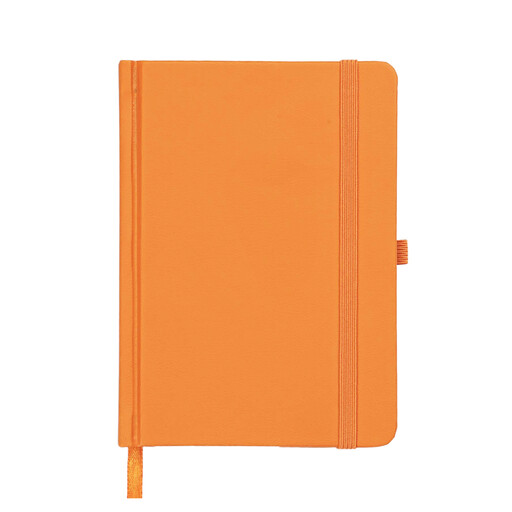
Why this choice suits this profile: This notebook is aimed at adults, students and professionals who want a compact companion for meetings, ideas or personal planning, always within reach.
The A6 size, elastic closure and pen loop keep things compact, without needing separate accessories.
PU hardcover, 80 sheets of 100 g/m² paper, ribbon bookmark and elastic closure.
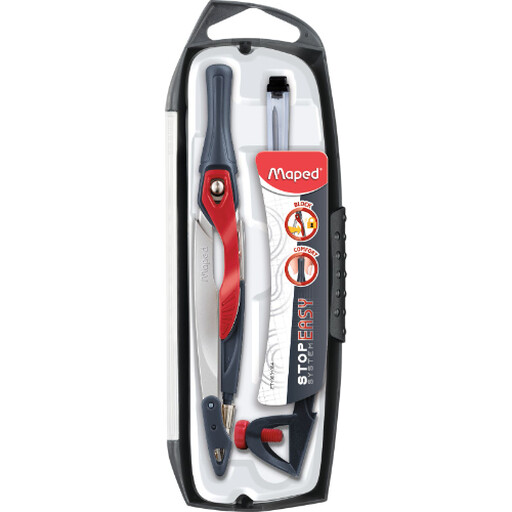
Why this choice suits this profile: This school compass meets the needs of geometry lessons, technical drawing and craft work for ages 10 and up.
The locking system holds the chosen opening in place, while the cap protects the point when properly replaced.
Three-piece set, snap-close case and Stop Easy mechanism.
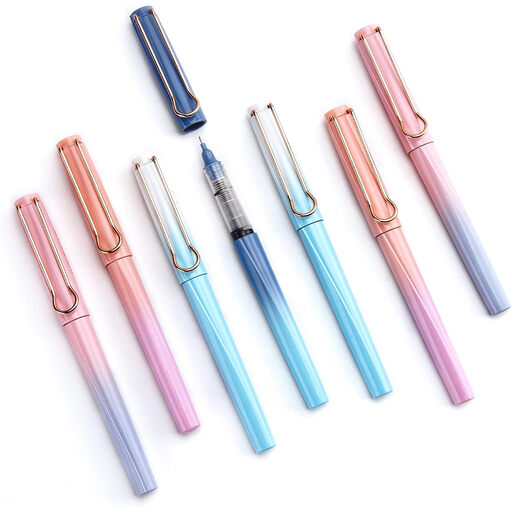
Why this choice suits this profile: This pack of eight pens is ideal for frequent note-taking, studying and office work when you need a fine tip.
The 0.5 mm tip and removable cap meet precision needs, as long as you recap each pen after use.
0.5 mm needle tip, black liquid ink and pack of eight.
We’ve put together a comprehensive, real-time updated list of products that meet these demanding selection criteria and European safety regulations.
Start by checking the school’s list, then set aside a small reserve of everyday consumables: pens, HB pencils, eraser, glue stick and highlighters. For exercise books, stick to the size and ruling requested to avoid unnecessary purchases.
The Seyès exercise book has a specific ruling, used in many classrooms in France to guide handwriting. A lined notebook offers a simpler layout, suitable for lists, ideas, a personal diary or meeting notes.
Put the caps back on pens and brush pens after each use, store highlighters flat when the instructions recommend it, and keep exercise books away from damp. For a mechanical pencil, use leads of the correct diameter without forcing the mechanism.