Families preparing several meals
If you can share a 1 L carton between meals and store the rest after opening, it’s worth comparing this format with individual portions. Check how much you’ll actually use.


For a secondary school lunchbox, start by choosing a format your child can actually prepare or heat up. Dehydrated soup needs hot water, while liquid soup that’s meant to be served hot needs a way to heat it. A 1 L carton may be suitable if you portion out the soup and store the rest as directed on the pack; smaller portions can help avoid leftovers. Also compare how much will be eaten, the ingredients, allergens and nutritional information for each recipe.
If you can share a 1 L carton between meals and store the rest after opening, it’s worth comparing this format with individual portions. Check how much you’ll actually use.
Your choice depends on the equipment allowed and available at school. Dehydrated soup needs hot water; if you’re packing liquid soup to serve hot, you’ll need to plan how to heat it.
Compare the ingredients, highlighted allergens and salt shown in the nutritional information for each recipe. Where it appears on the pack, the Nutri-Score can provide additional information, but it doesn’t replace these details.
Choose this if: you can serve the soup over several meals and store the opened carton as directed.
Bear in mind: this isn’t an individual portion; how convenient it is depends on whether you use the leftovers.
Choose this if: you want to pack a pre-portioned amount and can arrange to heat it if it needs to be served hot.
Bear in mind: smaller packaging doesn’t mean you can ignore the product’s storage instructions.
Choose this if: your child can get hot water and prepare a portion at school.
Bear in mind: a sachet isn’t ready-to-drink liquid soup.
| What to consider | What to check before buying | What matters to shoppers |
|---|---|---|
| Preparing it at school | Check whether hot water or a way to heat the soup is available, then read the recipe’s preparation instructions. | Without the right equipment, I could pack a soup that I can’t prepare for lunch. Around 29% of shoppers would put this compatibility first. |
| How much you’ll use | Compare the price per litre with the amount you actually plan to serve, particularly for a 1 L carton versus 30 cl portions. | When preparing several lunchboxes, I want to choose a pack size I’ll use in full. Around 36% of shoppers would put this need ahead of the others. |
| Ingredients | Read the ingredients, highlighted allergens and the ‘salt’ entry in the nutritional information, comparing like with like. | If a recipe needs to meet dietary requirements, I need to be able to check its exact label. Around 21% of shoppers would make this their first priority. |
| Leftovers after opening | Check the storage instructions and how long the soup keeps after opening, as well as the conditions for transporting a prepared portion. | If I open a carton for just one lunchbox, I need to be able to store what’s left as directed. Around 14% of shoppers would put this concern first. |
Royco noodle soup sachets need to be made up with hot water. So a dry sachet isn’t a substitute for a carton of ready-made liquid soup if your child can’t get hot water at school.
Check the preparation instructions on the pack and make sure the necessary facilities are actually available at school before choosing this format.
A 1 L carton and an individual portion don’t offer the same convenience if some of the larger carton goes unused.
Compare the price per litre, then consider how many portions you’ll prepare and whether you can store the rest as directed.
A soup’s name doesn’t tell you everything that’s in it. The Royco carrot and mushroom recipe featured here declares gluten, celery, milk and chicken, among other ingredients.
Read the ingredients list and allergen information for the product you choose. To compare salt, use the nutritional information for the same portion size.
The best-before date applies to the product before it’s opened; it doesn’t replace the storage instructions for an opened carton of soup. The DGCCRF also distinguishes this date from the use-by date.
Once opened, follow the instructions specific to the carton and maintain the required chilled conditions during storage and transport.
E.Leclerc sells Eco+ soups in 1 L cartons, worth considering if you’re planning several portions.
This E.Leclerc Marque Repère range includes 1 L cartons and packs of 2 × 30 cl.
The range includes liquid soups in 1 L cartons and packs of 2 × 30 cl.
ALDI has sold soups under this brand in 1 L cartons, including tomato and carrot veloutés.
The dehydrated Royco noodle soup featured in this selection makes individual portions with hot water.
These products show two ways to prepare a lunchbox: pack soup that’s already portioned, or plan to make an individual serving at school. For sachets and cups, check that hot water is available; for products that need heating, check which facilities pupils are allowed to use at school.
 Image unavailable
Two 30 cl cartons let you pack a pre-portioned amount instead of dividing up a 1 L carton. Check the heating and storage instructions on the pack.
 Image unavailable
Each of the three sachets makes 20 cl of soup, provided hot water is available. This recipe declares gluten, celery, milk and chicken, among other ingredients, so check the label before buying.
 Image unavailable
This instant miso soup comes in eight portions and is worth considering if your child can make one up with hot water. Check the ingredients, allergens and instructions on the pack.
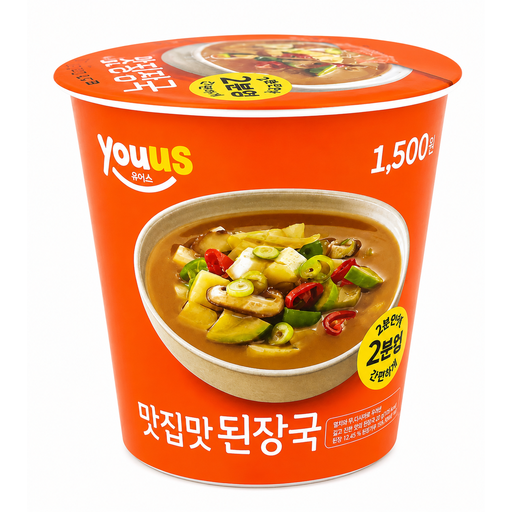 Image unavailable
This individual cup soup is suitable for a lunch where hot water is available for preparation. The stated weight is for the product in the cup; check the pack for how much water to add and for allergen information.
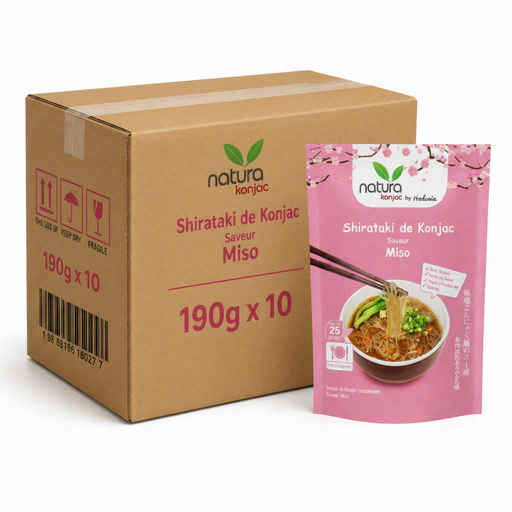 Image unavailable
This pack contains ten 190 g portions. The recommended heating method requires a microwave, so check that your child can use one and follow the instructions on the pack.
Yes, if you can prepare a portion to take with you and store the rest correctly. Check how long the product you choose keeps after opening. For example, a Liebig soup listed by Auchan says to refrigerate it and consume it within 48 hours of opening; this guidance applies to that product specifically.
Yes, as long as your child can get the hot water needed to prepare it. Each of the Royco carrot and mushroom sachets featured here makes a 20 cl portion; also check the allergens in this recipe.
No. Also check the ingredients, allergens and nutritional information, particularly the salt content, using comparable portion sizes. Santé publique France explains that displaying the Nutri-Score is voluntary for manufacturers, so if it’s not shown, you should still read the label.
You must follow the use-by date; the best-before date relates to the durability of a product whose packaging is intact. The DGCCRF distinguishes between these two dates. Once the soup is open, follow the storage instructions and use-by period given for that specific product.