To stock your cupboard for school lunchboxes, choose dried pasta and check its ingredients and shape to make sure they suit your child’s needs. Anses lists pasta among the products that generally carry a best-before date (DDM), but how long an unopened packet of dried pasta keeps does not determine how long a cooked meal will last: perishable ingredients may need to be kept chilled. If your child has an allergy or follows a medical diet, check the label on the packet you buy and the arrangements made with their school.
Who are these criteria useful for?
Parents managing an allergy or medical diet
If your child needs to avoid wheat, gluten or another allergen, check the label on the packet you buy and the school’s arrangements before choosing a brand or pasta shape. France’s Ministry of National Education says an individualised care plan (PAI) can be put in place for a food allergy.
Families who prepare lunchboxes in advance
Store dried pasta in the cupboard according to the instructions on the packaging. Once you’ve prepared a meal, consider how it should be stored separately, especially if you’ve added perishable ingredients.
Parents comparing regular and wholemeal pasta
Your choice may depend on both the nutritional information for the specific product and your child’s preferences. Comparing the values per 100 g lets you check labels on a like-for-like basis, but it can’t tell you whether your child will enjoy the recipe.
What should you check before buying?
If you’re buying pasta in France for a school lunchbox, check dietary requirements and school rules before choosing a shape. Storing the packet and keeping a prepared meal fresh are two separate considerations.
| Criteria |
What to check |
Who this is for |
| Allergens and school rules |
Read the ingredients, highlighted allergens and any ‘may contain’ warnings on the packet you buy; confirm the school’s arrangements if needed. |
If my child needs to avoid wheat, gluten or another allergen, I need to be able to check the product and the rules that apply to their meal. Around 36% of consumers would prioritise this need. |
| Cupboard storage |
Choose dried pasta and check the best-before date (DDM), the condition of the packet and its storage instructions. |
If I regularly prepare meals using cupboard staples, I want to distinguish dried pasta from fresh pasta. This would be the main priority for around 29% of consumers. |
| After cooking |
Check the cooking instructions and plan suitable storage for any perishable ingredients you add. |
When I prepare a lunchbox in advance, I need to plan how to store and transport the cooked dish, not just the packet of dried pasta. Around 21% of consumers would put this planning first. |
| Regular or wholemeal pasta |
Compare the ingredients and nutritional values per 100 g, and take your child’s preferences into account. |
If I’m considering wholemeal pasta, I want to compare its label with regular pasta without buying a large supply before I know whether my child will enjoy it. Around 14% of consumers would prioritise this comparison. |
Common mistakes to avoid
-
Storing fresh pasta like dried pasta
One Lustucru fresh tagliatelle product contains fresh eggs and needs to be handled differently from a packet of dried pasta intended for cupboard storage.
To stock up, check that you’re buying dried pasta and follow the storage instructions on the packet. Choose fresh pasta when you’re ready to prepare it according to its instructions.
-
Relying on ‘durum wheat’ alone when checking for allergens
Wheat itself needs to be taken into account, and some products also warn that they may contain traces of egg, soya or mustard. The ingredients for one product don’t apply to every product from the same brand.
Check the label on the packet you buy and confirm the arrangements for your child with the school, particularly if they have a PAI in place.
-
Applying the packet’s storage life to a prepared meal
The best-before date (DDM) on dried pasta applies to the product before it’s prepared. France’s Ministry of Agriculture says the cold chain must be maintained for foods that need it.
Decide how to store and transport the lunchbox based on the ingredients in the dish, especially if you add perishable foods.
-
Relying on information from an old product listing
Auchan says the ingredients in its alphabet pasta may vary depending on the collection point and purchase date.
When your order arrives, check the ingredients and allergen information on the packet you’ve actually received.
Brands to compare for different needs
Panzani
A brand to consider for dried pasta to keep in the cupboard, including its ‘Fermes & Généreuses’ fusilli and ‘Complètement Bon !’ range.
- The fusilli product listing we checked recommends storing them in a dry place.
- Panzani says its ‘Complètement Bon !’ range contains 50% more fibre than its regular pasta. This comparison applies to that range, not to all wholemeal pasta. Check the allergens for the specific product you choose, too.
Barilla
Barilla’s range includes small Piccolini shapes, as well as wholemeal and gluten-free options.
- Barilla describes Piccolini as a range of small pasta shapes that cook quickly.
- Check the ingredients and allergens for the specific product and packet you choose, whatever the range name.
Lustucru
A useful brand to consider when distinguishing fresh pasta from dried pasta to keep in the cupboard.
- The listing for Lustucru Sélection fresh tagliatelle specifies durum wheat semolina and fresh eggs.
- This product needs to be cooked before eating and may contain traces of soya and mustard. Follow its own storage instructions.
Carrefour
A 500 g packet of Carrefour whole durum wheat pasta gives you a supermarket own-brand option to consider.
- The product listing specifies the size and product name.
- If you’re choosing based on ingredients or allergens, check the information on the packet you buy.
E.Leclerc
The retailer’s range includes various pasta products, including regular, wholemeal and gluten-free options.
- These products let you compare shapes and ingredients for the meal you’re planning.
- Check which product is actually available and read its label when you buy it; the catalogue alone doesn’t describe every packet.
Auchan
Auchan alphabet pasta is an example of a small dried pasta shape to consider for your cupboard.
- The product listing recommends storing it away from heat and moisture and sealing the packet after opening.
- Auchan says the ingredients may vary depending on the collection point and purchase date. Check the allergen information on the packet you receive.
Pasta for different needs
These Joybuy products give you three options to consider for a lunchbox pasta cupboard: wholemeal farfalle, fusilli described as gluten-free, and regular torti. Check the label and cooking instructions on each packet before planning a school meal.
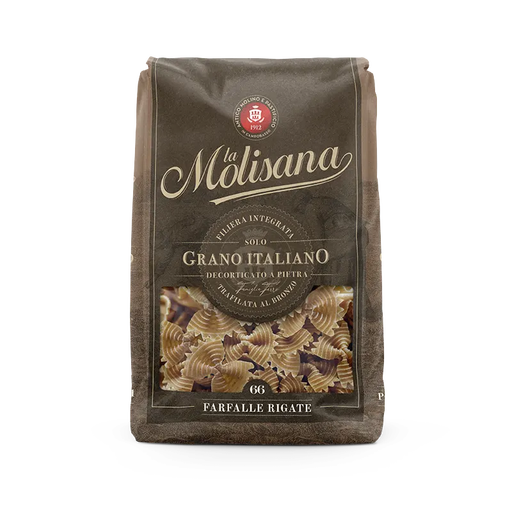 Image unavailable
La Molisana Farfalle Integrali N°066, 500 g
Worth considering if you’d like to compare wholemeal farfalle with your usual pasta for school meals. Check the best-before date, ingredients and allergens on the packet before stocking up.
View on Joybuy
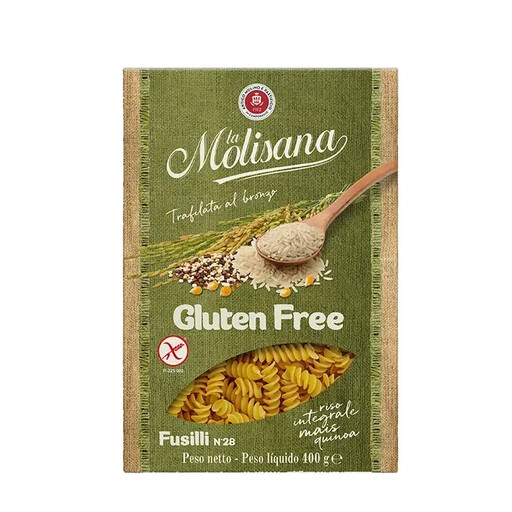 Image unavailable
La Molisana Gluten-Free Fusilli N.28, 400 g
Worth considering if an option described as gluten-free meets your child’s dietary needs. If your child has an allergy or follows a medical diet, check the label on the packet you receive and confirm the arrangements with the school before using it in their lunchbox.
View on Joybuy
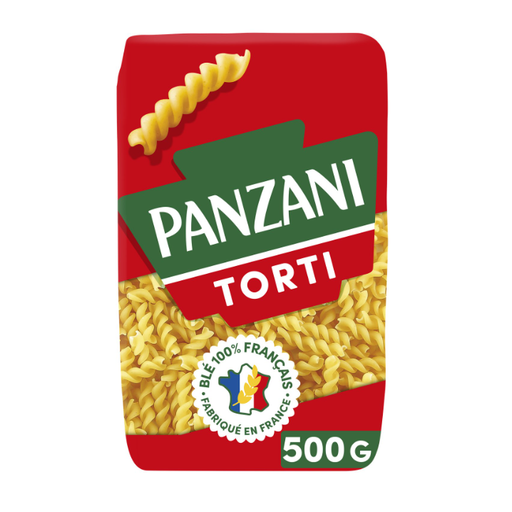 Image unavailable
Panzani Classic Torti, 500 g
A regular pasta shape to consider for preparing school meals regularly, if the ingredients suit your child. Check the wheat, gluten and ‘may contain’ information on the packet you receive, along with its best-before date and cooking time.
View on Joybuy
Frequently asked questions
Is dried pasta suitable for keeping in the cupboard?
Yes, as long as you follow the storage instructions on the packet. Anses lists pasta among products that carry a best-before date (DDM), which is different from a use-by date (DLC). Check the condition of the packaging, too.
Can you store a lunchbox prepared the night before in the same way as a packet of dried pasta?
No. How you store the packet before cooking doesn’t determine how you should store the prepared dish. If you add perishable ingredients or foods that need to be refrigerated, follow their instructions and plan suitable storage for the journey.
What should you check if your child needs to avoid gluten or another allergen?
Read the ingredients, highlighted allergens and any ‘may contain’ warnings on the packet you buy. If your child has a medical dietary requirement, confirm the arrangements for their meal with the school. France’s Ministry of National Education says an individualised care plan (PAI) can be put in place for a food allergy.


