Pupils who want to take a mint for after lunch
A small, sealed pack can fit in a school bag without taking up space needed for lunch. The choice between chewing gum and a mint to suck may also depend on the school’s rules.


For a secondary school pupil’s lunchbox, choose between a mint to suck or chewing gum based on the pupil’s preferences, how easy it is to carry and the school’s rules. Check the ingredients of the product you choose: ‘sugar-free’ does not mean ‘polyol-free’. A chocolate gift box is more suited to giving as a present than adding a mint to a lunchbox.
A small, sealed pack can fit in a school bag without taking up space needed for lunch. The choice between chewing gum and a mint to suck may also depend on the school’s rules.
Mint-flavoured products don’t all contain the same sugars, polyols or other ingredients. Information published by Mentos France and E.Leclerc shows why it’s important to check the label of the specific product you buy.
If you’re buying chocolates as a gift, that’s a separate purchase from a mint for a lunchbox. The occasion and the recipient’s preferences then become the main things to consider.
First, decide whether you’re buying something for a lunchbox or as a gift. For a mint to take with you, check the school’s rules, the packaging and the ingredients.
| What to consider | What to check | Who it’s for |
|---|---|---|
| Format and school rules | Check the school’s rules on chewing gum and confectionery, then choose the pack size and closure that suit you. | I want to put a small amount of mints in the lunchbox without choosing chewing gum that goes against the school’s rules. Around 40 % of consumers would put this practical need first. |
| Ingredients | Read the ingredients, allergen information, sugar and polyol content for the exact product, along with any packaging warnings. | If the recipe matters more to me than the format, I compare the label before choosing a ‘sugar-free’ product. Ingredients would be the top priority for around 40 % of consumers. |
| Mints to suck | Tell mints and chewing gum apart; check the packaging and warnings for the mint you choose. | I’d rather have a mint to suck than something to chew, while keeping the school’s rules in mind. Around 10 % of consumers would prioritise this type of product. |
| Buying a gift | Decide whether you’re buying for a lunchbox or choosing a chocolate gift box before comparing products. | I’m buying chocolates as a gift: a pocket mint won’t suit that purpose. This would be the priority for around 10 % of consumers. |
For every 100 g, Mentos France lists 0 g of sugars and 66 g of polyols in Mentos White Menthe Douce, compared with 0 g of sugars and 70 g of polyols in Pure Fresh Menthe Douce. These figures apply to these specific products.
Compare the nutritional information and ingredients on the pack you choose. Don’t assume what’s in it from the words ‘sugar-free’ alone.
Carrefour’s product listing for Mentos Pure Fresh Menthe Douce mentions soya lecithins. Don’t assume another flavour or format has the same ingredients.
If you need to consider allergens, check the label of the specific product you’re buying.
Carrefour lists, among other options, a multipack of two packs of eight Mentos sweets, weighing 31 g in total, and a tin of 50 sweets weighing 100 g. These packs aren’t equally suited to anyone looking for a smaller format.
Check the number of sweets and the type of closure before choosing what to put in the lunchbox.
A chocolate gift box is for giving as a present; a pocket mint is chosen to take with you every day. Comparing them as two formats of the same product makes the choice less clear.
Decide how you’ll use the product before choosing a category.
The range includes mint sweets and mint-flavoured chewing gum, with ingredients that vary from product to product.
Sugar-free mint chewing gum is available from retailers including Carrefour and Auchan.
E.Leclerc lists sugar-free mint sweets in a 150 g bag, for anyone who prefers a sweet to suck.
E.Leclerc’s range includes mint-flavoured pastilles from this brand.
This selection includes mint chewing gum and mint-flavoured sweets to suck, in packs worth considering for a lunchbox. Check the school’s rules before putting any of these products in one.
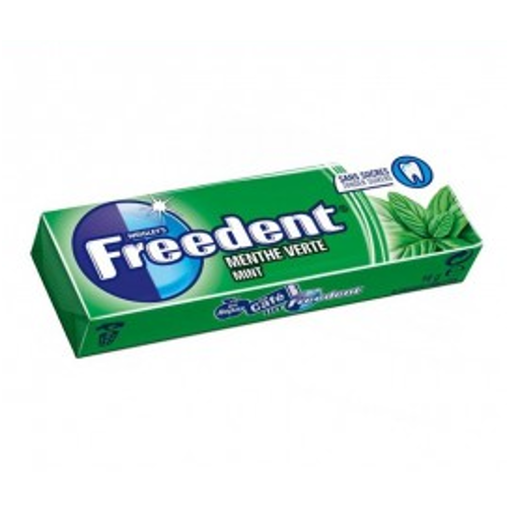 Image unavailable
Chewing gum to consider if the pupil prefers to chew a mint and the school’s rules allow it. The pack contains 10 pieces and weighs 14 g; check the ingredients on the packaging if there are any you need to avoid.
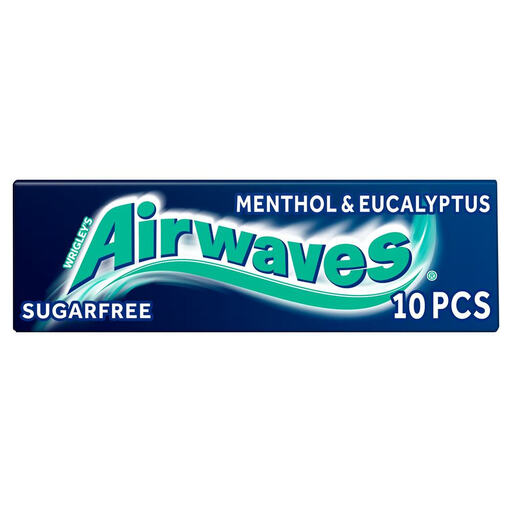 Image unavailable
A mint and eucalyptus-flavoured chewing gum to consider only if chewing gum is allowed by the school. This product’s listing mentions polyols and a source of phenylalanine: check the label if these ingredients matter to you.
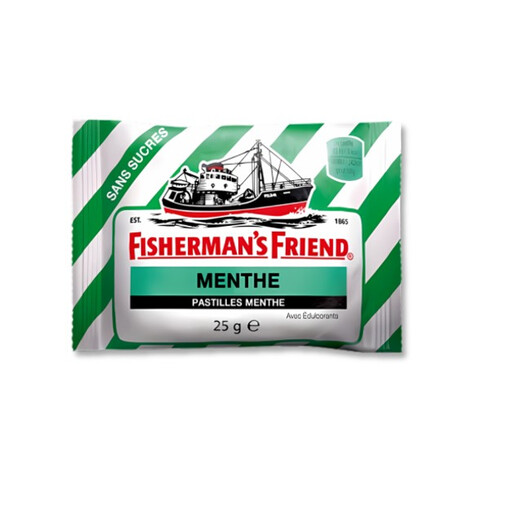 Image unavailable
Mints to consider if the pupil prefers a mint to suck rather than chewing gum. The listed pack size is 25 g; check the packaging and read the ingredients list on the pack.
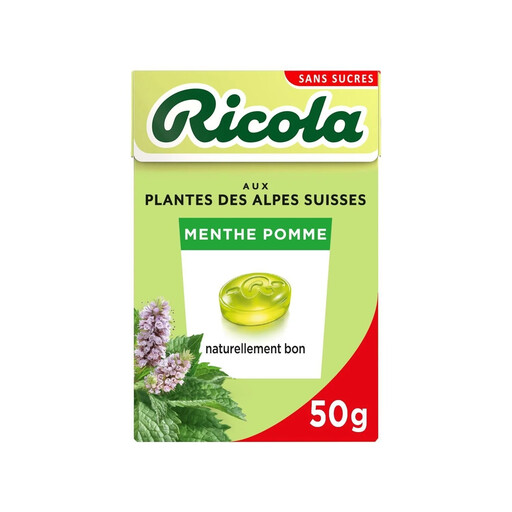 Image unavailable
Apple and mint drops to consider if you prefer sweets to suck. The listed pack size is 50 g; ‘Sugar-Free’ doesn’t replace checking the ingredients and nutritional information.
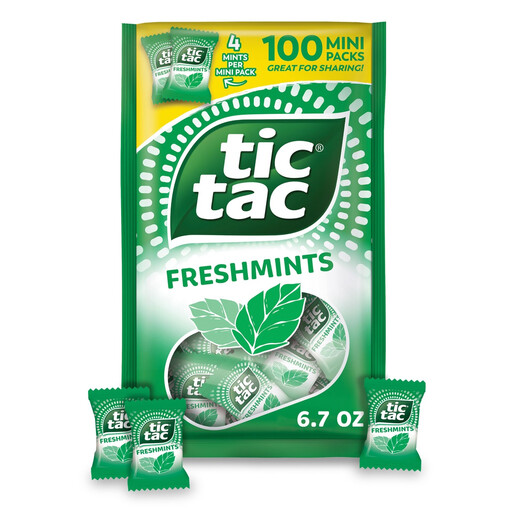 Image unavailable
Small mints to consider if you’d rather avoid chewing gum. The listed pack size is 49 g; these aren’t sugar-free mints, as the product listing says the recipe contains sugar.
No. For every 100 g, Mentos France lists 0 g of sugars and 66 g of polyols in Mentos White Menthe Douce, and 0 g of sugars and 70 g of polyols in Pure Fresh Menthe Douce. Check the nutritional information for the product you choose.
Check the ingredients and allergen information for the exact product, its nutritional information and any packaging warnings. Carrefour’s product listing for Mentos Pure Fresh Menthe Douce mentions soya lecithins; the listing for Confiseo sweets at E.Leclerc includes a warning about excessive consumption.
Not as a direct substitute. Choose mints if you need a sweet to take with you; if you’re buying chocolates as a gift, consider the occasion and the recipient’s preferences separately.