Parents packing a portion to take with them
For lunch, an outing or a picnic during the school holidays, the key is being able to pop a small, unopened portion into a bag. Check whether each sachet contains two slices or enough for several people.


If you want to pack a sealed portion for each lunch, look for packaging that states how many slices or rusks are in each individual sachet. Colis Gastronomiques describes a Pasquier product with two slices per sachet. If you’re preparing several lunches from one pack, freshness sachets containing several slices may work well, provided they’re the right size for how quickly you’ll use them. Check the ingredients and allergen information separately.
For lunch, an outing or a picnic during the school holidays, the key is being able to pop a small, unopened portion into a bag. Check whether each sachet contains two slices or enough for several people.
A pack with several inner sachets can be used for different meals. Count the slices in each sachet to see how many will be left once you’ve had the first lunch.
If you’re comparing rye or wholemeal recipes, or looking for a particular option in terms of salt or sugars, check the nutrition information per 100 g and the allergens for each product. The packaging format doesn’t tell you what’s in it.
First, choose an inner sachet size that suits the lunch you’re planning. Then compare the recipe if that’s important to you.
| What to consider | What to check | Who is it for? |
|---|---|---|
| Portions to take with you | Whether it says individual sachet and how many slices it contains. | If you need a small, sealed portion for each lunch, the sachet format matters more than the box size. Around 36% of shoppers prioritise having portions separated like this. |
| Slices left over | The number of inner sachets and how many slices are in each one. | If you’re preparing another lunch after opening the pack, you may want to avoid leaving all the slices exposed. Keeping the remaining portions protected is the top priority for around 29% of shoppers. |
| Ingredients and allergens | Ingredients, allergens and nutrition information per 100 g, especially sugars, fibre and salt. | If a particular recipe or allergen guides your choice, convenient packaging alone won’t help you choose between two products. Checking the label is the main concern for around 21% of shoppers. |
| Quantity for several meals | The total quantity and the size of the sachets you’ll open one by one. | If you’re planning several lunches, look for a pack with portions you can use without leaving too many slices open. Around 14% of shoppers prioritise a quantity that suits the meals they’re preparing. |
A pack containing 2 × 17 rusks or 3 × 6 slices is divided into smaller sachets, but that doesn’t mean you’ll get a small sealed portion for each lunch.
Check how many slices are in each inner sachet. If everyone needs to take their own sachet, look for an explicit statement that the product is packed in individual portions.
A large pack may suit several lunches, but it may not be practical for a meal you’re taking on your own.
Match the number of slices and sachets to the meals you’re planning, then check how many slices will be left in an opened sachet.
If an inner sachet contains more slices than you need, you’ll need to think about how to protect the leftovers.
“Wholemeal” or “no added salt” doesn’t tell you how the product is packed or give you the full list of ingredients and allergens.
For the exact product you’re buying, check the ingredients, allergens, nutrition information per 100 g and the number of slices in each sachet.
The brand offers rusks and crispbreads. Colis Gastronomiques describes a Pasquier wheat rusk product packed in individual sachets of two slices.
The range shown by Auchan includes Heudebert rusks in several recipes and formats.
Carrefour and Auchan offer Wasa crispbreads in different recipes, including rye and wholemeal varieties.
The Carrefour range includes its own-brand rusks, crispbreads and crunchy slices.
The Marque Repère range shown by E.Leclerc includes crunchy slices, crispbreads and Epi d’Or rusks.
This rusk product may suit anyone preparing a packed lunch. Before counting on a sealed portion for each meal, check how many rusks are in each inner pack.
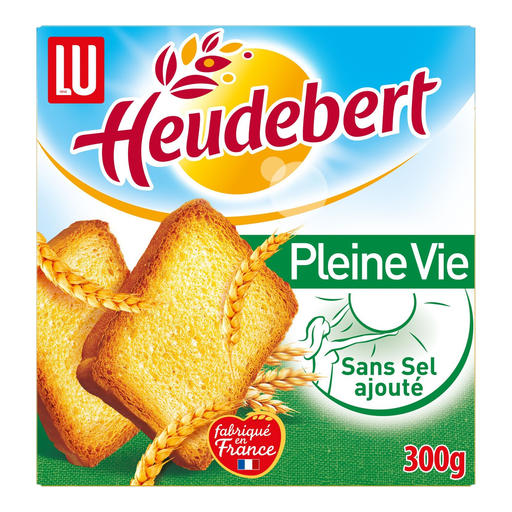 Image unavailable
The product description mentions individually wrapped portions, which may be useful if you’re packing rusks to take with you. Check how many rusks are in each portion before choosing this format.
The listing mentions wheat containing gluten and possible traces of sesame. If these allergens or the salt information affect your purchase, check the label for the exact variant.
No. The ranges shown by Carrefour and Auchan include inner sachets containing several items, for example 2 × 17 rusks or 3 × 6 slices. Check the quantity in each sachet. By contrast, Colis Gastronomiques describes a Pasquier product in individual sachets of two slices.
Compare the nutrition information per 100 g, then check the ingredients and allergens. France’s Directorate General for Competition Policy, Consumer Affairs and Fraud Control says that nutrition information given per 100 g makes it easier to compare products. Also check the portion size if it matters for your lunches.
Before buying, read the ingredients, allergens and any precautionary allergen information on the packaging of the exact product. Recipes can vary from one variant to another; the listing for the LU Heudebert product featured here mentions wheat containing gluten and possible traces of sesame.