Parents preparing school-day meals
Whether it’s for breakfast or a snack, the key is to distinguish a drink chosen for a special occasion from one served regularly. Manger Bouger recommends limiting juice and other sugary drinks for children.


For the new school year, choose according to the occasion: still orange juice if you’re looking for juice, or a fizzy orange drink for a one-off treat. The word ‘sparkling’ doesn’t guarantee that a product is pure juice, so check its product description, ingredients and nutritional information. For children, Manger Bouger recommends choosing water as the everyday drink and limiting both juice and sugary drinks.
Whether it’s for breakfast or a snack, the key is to distinguish a drink chosen for a special occasion from one served regularly. Manger Bouger recommends limiting juice and other sugary drinks for children.
For a back-to-school get-together, you may be looking specifically for a fizzy orange drink. Its manufacturer describes Orangina as a drink with pulp and fine bubbles; that doesn’t mean it’s pure juice.
Whether it’s pure juice, juice from concentrate, nectar or a fizzy fruit drink, the product description matters just as much as the flavour on the label. The DGCCRF regulates the terms used for juices and nectars; you can then check the volume and whether it contains pulp for each product.
First decide whether fizz is essential. Still orange juice and a fizzy orange drink meet different needs, even if both may contain juice.
Choose this if: you’re looking for juice and want to compare options with or without pulp.
Bear in mind: it won’t give you the fizz you’re after. Manger Bouger also recommends limiting juice for children.
Choose this if: bubbles are your main priority for a one-off occasion.
Bear in mind: containing juice doesn’t make this a pure juice; ingredients vary between products.
| What to consider | What to check | Who is it for? |
|---|---|---|
| Everyday use | How often you plan to serve it and the sugar per 100 ml, followed by the serving size. | For school days, I want to avoid a drink bought as a treat becoming something I serve every day. Around 36% of consumers put everyday use first. |
| Fizz | Look for a description stating that it’s a fizzy drink, carbonated water or carbon dioxide. | If I’m planning a shared snack, I’m looking for a drink that really fizzes, rather than just orange flavour. This is the main priority for around 29% of consumers. |
| Type of product | The product description and ingredients; for a fruit drink, check the stated juice content. | I want to know whether I’m buying pure juice, juice from concentrate, nectar or a fizzy drink, as these terms don’t describe the same product. Around 21% of consumers prioritise this distinction. |
| Pack size and pulp | The volume of each container, the number of units and whether it contains pulp. | To serve several people without choosing the wrong pack size, I also check whether the texture will suit them. This comes first for around 14% of consumers. |
A fizzy fruit drink may contain juice without being classed as pure juice. The DGCCRF points out that the term ‘fruit juice’ has a specific legal definition.
Read the product description and ingredients. If you want bubbles, check for carbonated water or carbon dioxide.
A drink bought for a back-to-school occasion can easily become part of your weekly routine. Manger Bouger recommends limiting fizzy drinks, juice and other sugary drinks for children.
Save the fizzy drink for the occasion you have in mind, and serve water as the everyday choice.
A claim about sugar alone doesn’t tell you whether a product is juice, nectar or a fizzy drink, or how much you’ll serve.
Check the product description, ingredients, sugar per 100 ml and pack size together.
Carrefour stocks a range of Tropicana products, including pure orange juice with no pulp.
Its orange juice range lets you compare different product descriptions and types of juice.
Auchan’s juice range includes pure orange juice with pulp.
E.Leclerc sells orange products under these names across different categories of juice and nectar.
Suntory Beverage & Food France describes Orangina as an orange drink with pulp and fine bubbles.
The Aranciata product listing published by POMONA EpiSaveurs describes a fizzy orange drink in a 33 cl can.
These products are for anyone looking for bubbles for a one-off back-to-school get-together: orange drinks, an orange and red berry option, and a blood orange drink. Compare pack sizes according to how many people you’re serving, and don’t mistake them for pure orange juice.
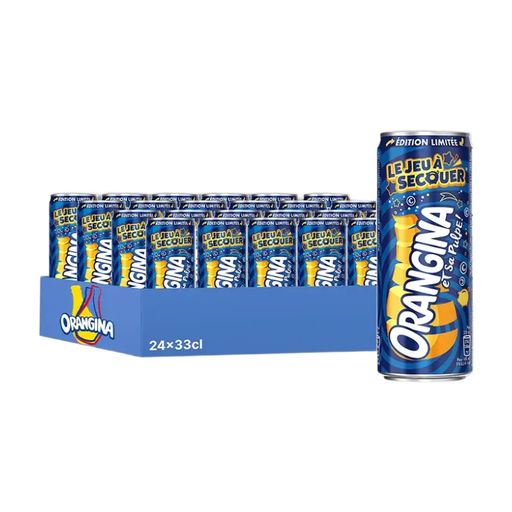 Image unavailable
For a get-together where you’re looking for a fizzy orange drink rather than pure juice.
The pack contains 24 × 330 ml cans. Check the nutritional information for this product before deciding how much to serve.
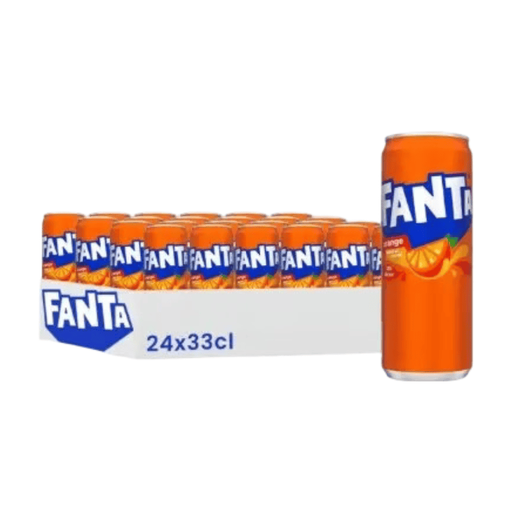 Image unavailable
An option to compare for an occasion where orange flavour and fizz matter more than finding a juice.
The pack contains 24 × 330 ml cans. Read the label to compare sugar content on a like-for-like basis, for example per 100 ml.
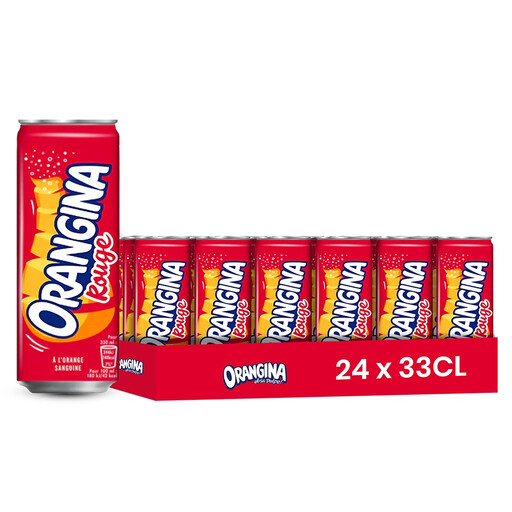 Image unavailable
For a fizzy occasion, if an orange and red berry flavour will suit your guests.
The pack contains 24 × 330 ml cans. This variety isn’t for anyone looking for an exclusively orange flavour; check the ingredients on the packaging.
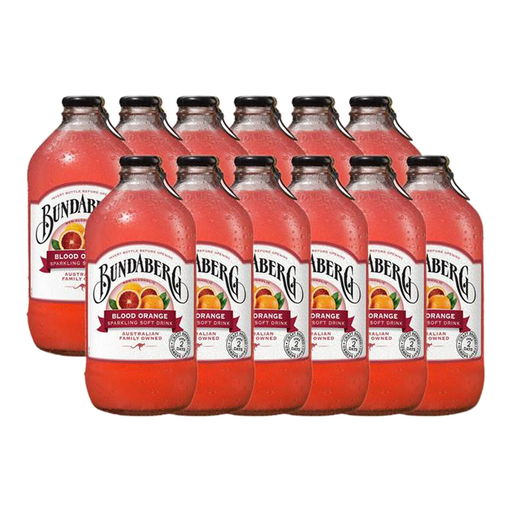 Image unavailable
Worth considering for a get-together if you’re looking for a fizzy blood orange drink rather than pure juice.
The pack contains 12 × 37.5 cl bottles; bear the volume in mind when planning how to serve it.
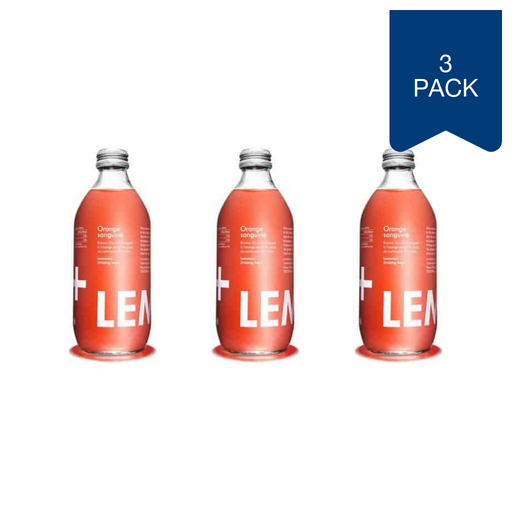 Image unavailable
A pack to consider for a small gathering where you’re looking for bubbles and a hint of blood orange.
The pack contains three 33 cl bottles. Check the product description and ingredients if you want to distinguish this drink from orange juice.
No. An orange drink with bubbles may be classed as a fizzy fruit drink, even if it contains juice. To find out what you’re buying, read the product description and ingredients. The DGCCRF points out that ‘fruit juice’ has a specific legal definition.
For children’s everyday drink, choose water. Manger Bouger recommends limiting sugary drinks, including fizzy drinks and fruit juice, so a fizzy drink bought for a special occasion shouldn’t replace water as the everyday choice.
Look for a product description stating that it’s a fizzy drink, then check the ingredients for carbonated water or carbon dioxide. An orange on the packaging or the presence of juice isn’t enough to confirm that it’s fizzy.
First compare their product descriptions to see whether they belong to the same category, then check their ingredients, sugar per 100 ml and the amount you’ll actually serve. If pulp matters to you, check each product rather than assuming based on the brand.