Parents concerned about allergens
If your child needs to avoid an ingredient or follow specific school rules, check the exact recipe, highlighted allergens and any ‘may contain’ warnings before choosing a size or format.


For a school lunchbox, first choose a bar whose ingredients and allergen information suit your child, then check the school’s rules. Next, compare the weight of each bar and its nutritional information. A hazelnut bar, a filled confectionery bar and a cereal bar coated in chocolate may not meet the same needs.
If your child needs to avoid an ingredient or follow specific school rules, check the exact recipe, highlighted allergens and any ‘may contain’ warnings before choosing a size or format.
For an occasional treat, check the weight per bar and whether each one is individually wrapped. A mini bar, a standard bar and a sharing block aren’t equally easy to pack in a lunchbox.
Nutritional information lets you compare things such as sugars and fat on the same basis, per 100 g. The portion weight then helps you put these figures into context for how the product will be used.
Start by checking that the ingredients suit your child’s needs and meet the school’s rules. Then consider the portion size and nutritional information.
| What matters | What to check | Who it matters to |
|---|---|---|
| Allergens and school rules | The ingredients list, highlighted allergens, ‘may contain’ warnings and any rules that apply to your child. | If my child needs to avoid certain ingredients, the exact recipe comes before the brand or format. Around 42% of consumers prioritise this compatibility. |
| Portion and packaging | The weight per bar, the number of bars and whether they are individually wrapped. | When packing a lunchbox without sharing a block, I look for a clearly defined portion that’s easy to take with me. Around 33% of consumers prioritise this convenience. |
| Nutritional information | The nutritional values per 100 g, followed by the amount in a portion; the Nutri-Score, if shown. | When comparing different recipes, I want to compare their sugars and fat on the same basis. Around 25% of consumers start by comparing nutritional information. |
The products reviewed may also contain hazelnuts or list other allergens and ‘may contain’ warnings. A milk chocolate and hazelnut bar isn’t suitable if tree nuts need to be avoided.
Check the ingredients and ‘may contain’ information on the packaging of the product you choose, even if you already know the brand.
According to Santé publique France, displaying the Nutri-Score is voluntary. It doesn’t replace the ingredients list or the nutritional declaration for prepacked foods.
If it appears on the product, use it as additional information when comparing similar products. Don’t assume it means a recipe is suitable for someone with an allergy.
The French Ministry of the Economy describes this levy as applying to sugary drinks, not milk chocolate bars.
When choosing a bar, focus on its ingredients, weight per bar and nutritional information.
Carrefour France lists, among other products, a pack of 5 × 31.5 g Milka milk chocolate and hazelnut bars.
Lindt France lists 33 g Nuxor milk chocolate and hazelnut bars and 35 g Noccio hazelnut bars.
Carrefour France lists a 45 g milk chocolate and hazelnut bar.
Carrefour France lists a 30 g Nestlé milk chocolate and puffed rice bar.
The brand lists a pack of 10 milk chocolate bars, each weighing 21 g.
E.Leclerc lists a pack of 16 milk-filled mini bars, weighing 200 g in total.
This selection includes chocolate bars, mini bars, a wafer bar and cereal bars coated in milk chocolate. For a lunchbox, check the ingredients and packaging of the piece you plan to take with you.
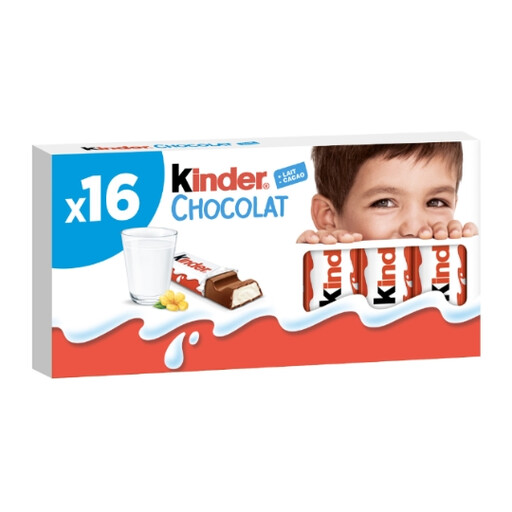 Image unavailable
The pack of 16 may suit you if you’re preparing several portions. The product details list milk and soya, so check that it meets your child’s needs and the school’s rules.
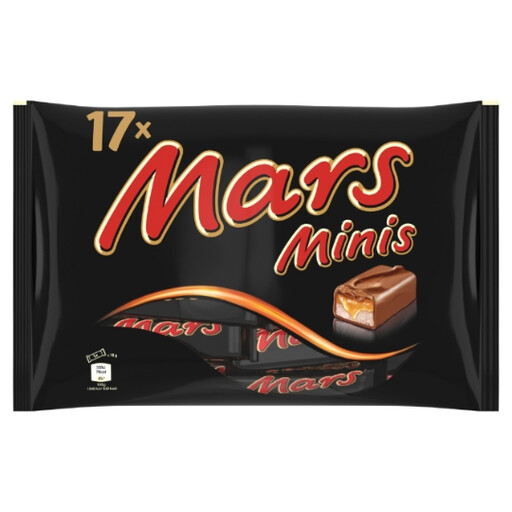 Image unavailable
This bag of mini bars may be useful if you want to divide portions between several lunchboxes; check the weight of the bar you choose. The product details list milk, soya, barley and egg, as well as possible traces of peanuts and tree nuts.
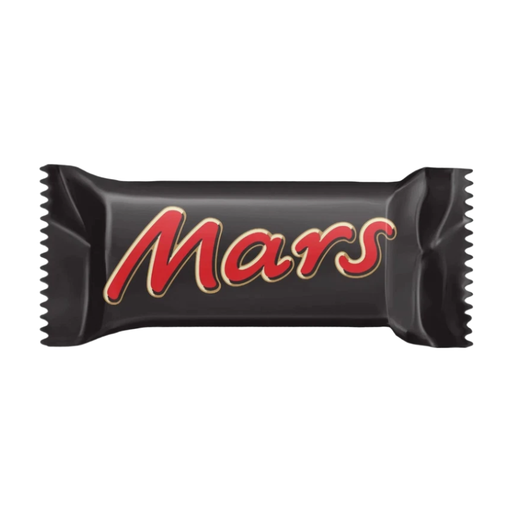 Image unavailable
This 51 g bar has a clearly stated portion weight, making it easy to plan as an occasional treat. Check its packaging before adding it to a lunchbox. The product details list milk, soya, barley and egg, as well as possible peanuts and tree nuts.
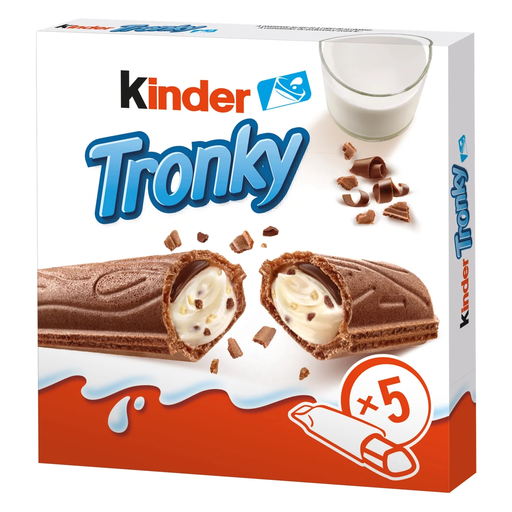 Image unavailable
These wafer bars may suit you if you’re looking for pieces to divide up, rather than a plain milk chocolate bar. The product details list milk, soya, gluten and hazelnuts, so check the label if any of these ingredients need to be avoided.
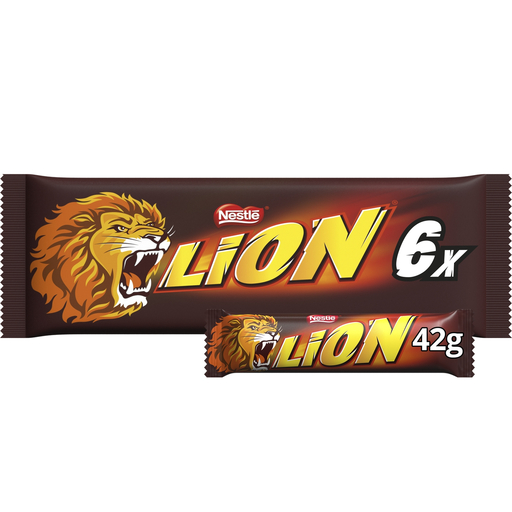 Image unavailable
The pack of six 42 g bars makes it easy to plan portions of a known weight; check whether each bar is individually wrapped for transport. These are cereal bars coated in milk chocolate. The product details list milk and wheat, as well as possible peanuts, tree nuts and soya.
No. Santé publique France says that producers display Nutri-Score voluntarily. When comparing prepacked foods, check their nutritional declaration and ingredients list too.
No. According to the French Ministry of the Economy, this levy applies to sugary drinks; it isn’t a factor when choosing a chocolate bar.
Avoid any product containing the ingredient in question, and check its ‘may contain’ information too. The DGCCRF states that allergenic ingredients in prepacked foods must be highlighted in the ingredients list. Always check the packaging of the product you buy.
Follow the storage instructions and use-by or best-before date shown on the packaging. Joybuy France’s product details for a 25 g Milka bar say to store it away from heat and moisture; check the instructions for the specific product you buy.