What should you check before buying?
First decide whether the chocolate will be handed out as it is or used in a cake. This determines what you need to count for distribution and what information you should keep to describe the finished product being sold.
| What to consider |
What to check |
Who is this for? |
| Allergens and information |
Read the ingredients, allergen information and any ‘may contain’ statements on the pack you buy. If you’re making cakes, keep this information for the final recipe. |
If I’m selling to pupils and their families, I want to be able to tell them which allergens are in the chocolate I’ve used and meet the event’s requirements for excluding certain ingredients. Around 42% of consumers would put this information at the top of their list. |
| Portions and distribution |
Compare the number of pieces, net weight and packaging. Check whether each piece is individually wrapped or simply loose in a bag. |
If I’m preparing portions or giving a piece to each buyer, I need to know what counts as one piece without having to cut anything up at the stall. Getting portions and distribution right would be the main priority for around 33% of consumers. |
| Recipe and nutritional information |
Compare the ingredients and nutritional values per 100 g for similar products, particularly the sugars. If it’s shown on the packaging, Nutri-Score can provide an additional point of reference. |
Before choosing between plain chocolate and filled chocolates, I want to understand the recipe and compare nutritional information on the same basis. For around 25% of consumers, this would be their main concern. |
Milk chocolate to consider on Joybuy
These products offer a range of possible options for your sale: tubes to divide up, bars to count, and filled chocolates to consider if their recipe suits the event. They aren’t all the same size or packaged like individually wrapped mini bars, so check the number of pieces and allergens before planning how to hand them out.
 Image unavailable
SMARTIES Hexatube, 6 × 34 g
The six tubes could be used to prepare separate portions. They contain milk chocolate pieces with a sugar shell, not mini bars. If you’re handing out the pieces individually, check how many are in each tube. Check the allergens on the packaging of the pack you buy.
View on Joybuy
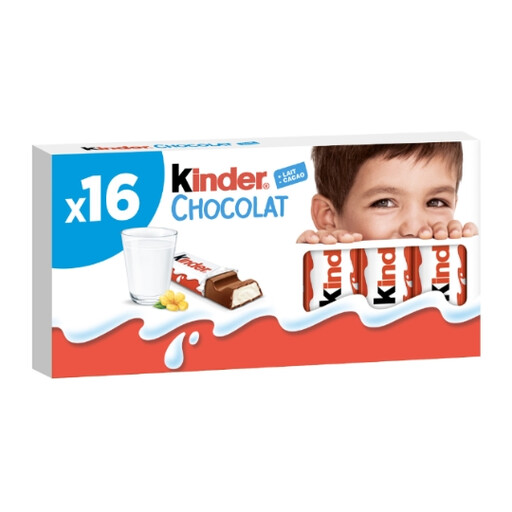 Image unavailable
Kinder Chocolate, 16 bars
A pack of 16 bars makes it easy to plan to hand out one bar at a time, as long as this size is right for the portion you want to offer. Before the sale, check the weight of each bar, how it’s wrapped and the allergens listed on the pack you buy.
View on Joybuy
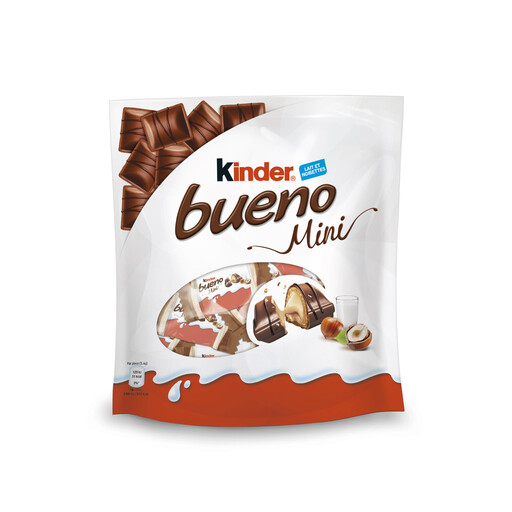 Image unavailable
Kinder Bueno Mini, 108 g
These filled chocolates are suitable only if their recipe meets the event’s requirements: the information for this product lists hazelnuts, as well as milk, wheat and soya. Check the number and weight of the chocolates on the pack to plan portions, and read the label on the pack you buy to compare its nutritional values.
View on Joybuy
 Image unavailable
MALTESERS, 192.5 g bag
These milk chocolate pieces have a light, honeycombed centre. If you’re handing them out individually, check the number of pieces and how they’re packaged. Check the allergens on the pack you buy before selling them or using them in a recipe.
View on Joybuy
 Image unavailable
Toblerone Milk, 3 × 50 g
The three 50 g bars are easy to count, but check whether a whole bar is the portion you have in mind and whether each one can be handed out separately. The information for this product lists almonds, milk, soya and egg white. Compare this with the label on the pack you buy and the event’s restrictions.
View on Joybuy
Frequently asked questions
Is Nutri-Score compulsory on mini milk chocolate?
No. Santé publique France says that producers display Nutri-Score voluntarily. For pre-packed food, check the nutritional information too, including energy, sugars, fat and salt. The absence of the logo isn’t enough to judge the product.
What should I do about allergens in cakes sold unpackaged?
If the chocolate leaves milk or other allergens in the finished cake, make sure there’s clear information linked to the cake being sold. French provisions for unpackaged food, published by Légifrance, set out the requirements for this information. Keep the ingredient packaging and check with the school how the sale will be organised.
Is mini chocolate always suitable if nuts are excluded?
No. Some of the chocolates reviewed contain hazelnuts or almonds, and another product carries a ‘may contain nuts’ statement. Check the recipe and the exact packaging, even if you already know the brand.
How can I keep a record of the chocolate used in a recipe?
Keep the packaging from the pack you used, or take a clear photo of its ingredients and allergen information, then link those details to the relevant recipe. That way, you can describe the cake being sold without confusing two varieties or formats of chocolate.


