Large-scale school fair organisers
If you need to hand out lots of cakes quickly, look for a case that clearly states how many portions are individually wrapped. St Michel, for example, offers cases of 60 individually wrapped snacks.


For a school cake sale, start by working out how many portions you need to hand out. A case of individually wrapped snacks makes counting and distributing them easier, while several smaller multipacks let you adjust the quantities. An assortment offers a choice of recipes, but you’ll need to check the ingredients for each one. In every case, keep the packaging information and check the school’s requirements before the sale.
If you need to hand out lots of cakes quickly, look for a case that clearly states how many portions are individually wrapped. St Michel, for example, offers cases of 60 individually wrapped snacks.
Keep the ingredient lists for each recipe to hand and coordinate distribution with the school. The French Ministry of National Education explains that an individual support plan (PAI) can set out dietary adjustments for a pupil.
For a one-off sale, count the units in each pack that can actually be handed out before deciding how many to buy. Smaller multipacks let you build up your stock gradually, although you’ll have more packs to manage.
First, work out how many portions you need, then decide between a single recipe and an assortment. Next, check the information for each product with the school before planning to hand it out to pupils.
| What to consider | What to check | What matters to shoppers |
|---|---|---|
| Portions to hand out | Count the individually wrapped portions, not just the number of cakes or the weight of the case. | If I need to serve lots of people without cutting up the cakes, I want to be able to count one portion per wrapper. Around 36% of consumers would prioritise this ease of distribution. |
| Ingredients and allergens | Read the information for each recipe and keep the packaging to hand; ask the school how to follow its guidance for pupils who need it. | When dietary requirements need to be taken into account, I want to know exactly what each cake contains before handing it out. This would be the top priority for around 29% of consumers. |
| Quantities and leftovers | Compare the number of portions you can hand out with the expected turnout, then decide whether several smaller packs would be easier to adjust. | For a small sale, I’d rather adjust the number of packs gradually than commit to a whole case from the outset. Around 21% of consumers would prioritise this flexibility. |
| Choice of recipes | Check how many recipes are in the assortment and make sure you can keep their information separate. | If the stall offers several flavours, I want to be able to identify each recipe without confusing its ingredients with those of another. Variety would come first for around 14% of consumers. |
A pack containing several cakes doesn’t necessarily mean they’re all individually wrapped. The formats listed by St Michel and Auchan contain 60 and 10 individual wrappers respectively.
Count the wrappers you can hand out as they are before deciding how much stock to buy.
A case containing several recipes may have different ingredient lists for each one. The French Ministry for the Economy notes that allergens in prepacked foods must be highlighted in the ingredients list.
Check each recipe and keep the case information to hand during the sale.
A product advertised for a particular period may not be available when you’re getting ready for the school fair.
Confirm the product and its pack format with your chosen shop, then identify an alternative that meets the same distribution needs.
A last-minute replacement also means checking the ingredients again and recounting the portions in the new product.
Individual wrapping doesn’t tell you what the product contains. The French Ministry of National Education explains that a PAI can set out dietary adjustments for a pupil.
Check the product you actually buy and ask the school how to cater for the pupils concerned.
Worth a look if you need a case of individually wrapped snacks in larger quantities.
Worth comparing if you’re looking for smaller packs of individually wrapped cakes.
Products to consider if you want to build your stock from several smaller packs.
A retailer where you can compare the number of wrappers and biscuits in each wrapper before choosing.
A retailer to check if you want to compare different formats of everyday biscuits.
An option to consider if you can adapt your shopping to the products available in store.
These products let you compare smaller packs of cakes and biscuits with multipacks containing several items. If you plan to hand out one cake at a time, distinguish between the number of items and the number of individual wrappers before deciding how many to buy.
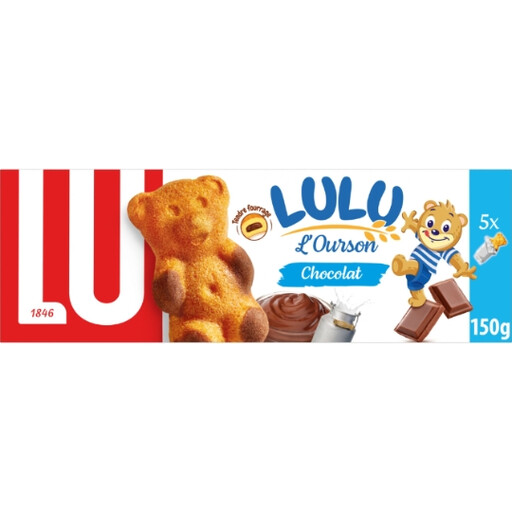 Image unavailable
This product is listed as containing five wrappers, making it a handy option for a small sale without needing to cut anything up. Joybuy lists wheat, eggs, soya and milk among the ingredients. Check the multipack packaging and the school’s guidance before offering it.
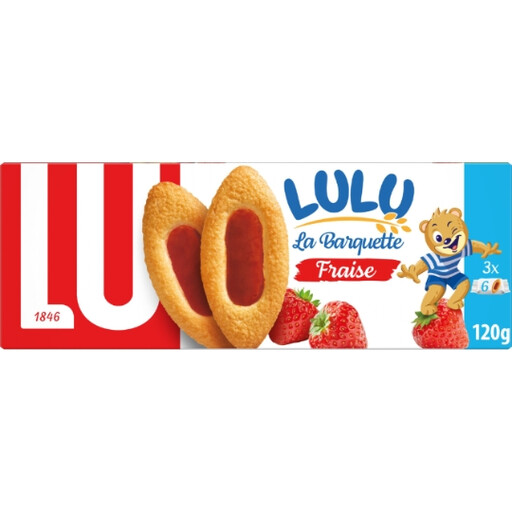 Image unavailable
This 120 g pack is worth considering for a small-scale sale. Before counting portions, check how many wrappers are listed on the packaging. The product description mentions wheat and eggs, and says it may contain milk and nuts.
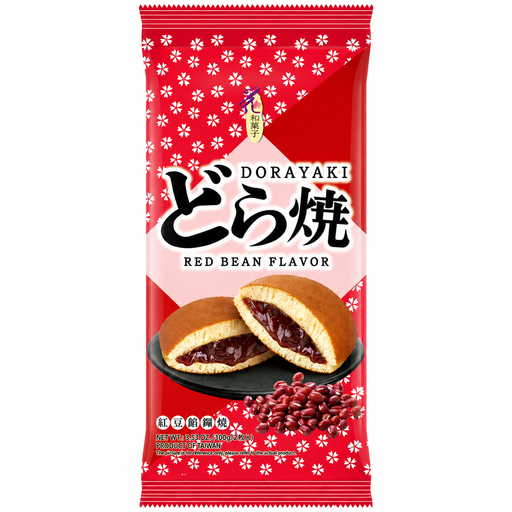 Image unavailable
The three dorayaki could be a good choice for sharing in a small pack. Don’t count them as three separate portions until you’ve checked how each cake is packaged; also check the ingredients for the multipack.
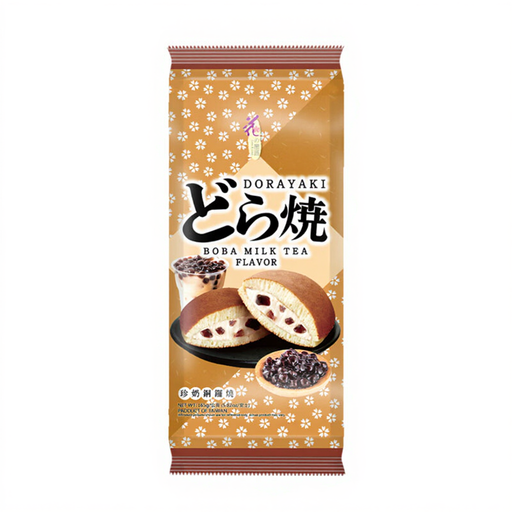 Image unavailable
The 12-pack format can help you build up a stock of smaller portions, but three cakes in a pack doesn’t mean there are three individually wrapped portions. Check the packaging before planning to sell them individually. The description lists wheat, egg and soya, among other possible traces.
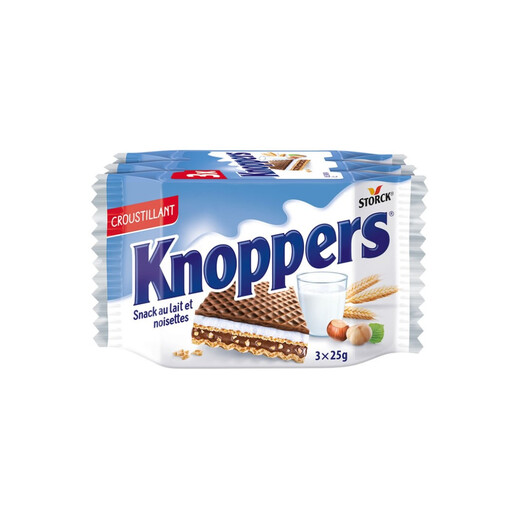 Image unavailable
This pack of three 25 g portions is worth comparing if wafer biscuits would suit your stall. Check whether each portion has its own wrapper before counting it as a serving. The description lists milk, hazelnuts, wheat, soya and peanuts among the ingredients.
The French Ministry of National Education’s food safety guidance includes school fairs among the situations it covers, but it doesn’t automatically authorise every sale. It recommends choosing products that are generally considered low-risk and gives cakes with crème pâtissière or Chantilly cream as examples to avoid. Check the arrangements with the headteacher or the association in charge.
Individually wrapped portions are easy to count and hand out without cutting up the cakes. However, check how many wrappers are in the pack and keep the ingredient information to hand: individual wrapping doesn’t tell you what allergens the product contains.
Check the ingredients in the product you’ve bought and follow the school’s procedure for the pupil concerned. The French Ministry of National Education explains that a PAI can set out dietary adjustments, so don’t assume a cake is suitable for a pupil just because it comes in an individual wrapper.
Keep the packaging so you can identify the product and check its ingredients, allergens and date. For prepacked food in France, the French Ministry for the Economy sets out rules covering the ingredients list, highlighting allergens and making information easy to read. If a pack contains several recipes, make sure you can tell their information apart during the sale.