
Livraison le jour même ou le lendemain

Qualité garantie

Débloquez vos offres de bienvenue: Livraison GRATUITE | Jusqu'à -80 % | 30 jours d'essai gratuits à JoyPlus
Téléchargez l'application
Every back-to-school season or office restock, the school and office supply aisle can feel like a minefield. It's easy to get lost between marketing promises and reality, and end up with disappointing products. A marker that dries out in a week, a so-called “?ergonomic?” pen that causes hand fatigue, or “?washable?” ink that leaves a permanent mark on your child's favourite t-shirt?: it's an all-too-familiar story.
Our mission?: to help you navigate this jungle. We'll break down the most common pitfalls and give you the keys to choosing writing and drawing tools that live up to their promises, whether for school, the office, or your creative hobbies.
Before we get to the products, let's review the most common letdowns that needlessly lighten your wallet.
To make an informed choice, you need to read between the lines on product descriptions. These few parameters directly impact the use and lifespan of your supplies.
The type of tip defines the pen's or marker's primary function.
The type of ink is an equally crucial criterion.
We've scrutinised several products based on their design, suitability for a specific use, and their ability to overcome common pitfalls. Here are our recommendations for different needs.
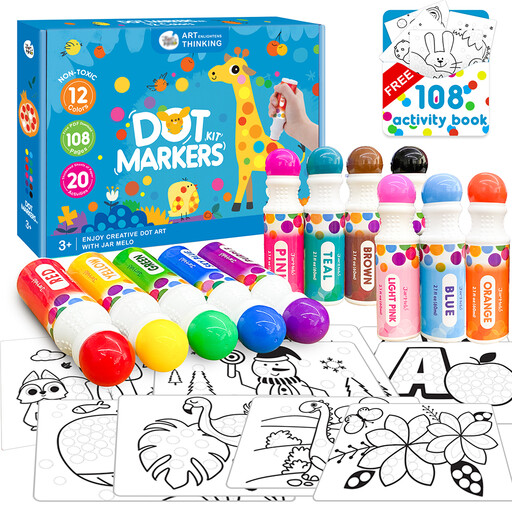
Why we chose it ? Ideal for early creative activities. Their jumbo shape is easy for little hands to grip, and the sponge tip creates clean dots effortlessly, playfully developing hand-eye coordination.
The water-based ink is formulated to be highly washable (the manufacturer claims 90 % washability from skin and most fabrics), which tackles the false washability promise head-on.
The integrated sponge tip design minimises mess and waste. The large ink reservoir ensures an excellent lifespan.
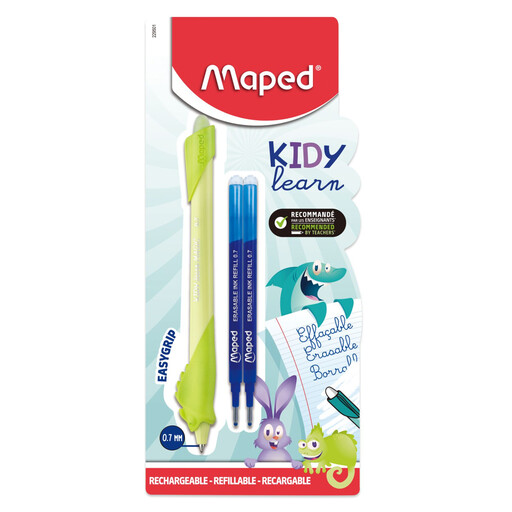
Why we chose it ? Specially designed for children learning to write. Its soft, animal-shaped grip naturally guides finger placement. The erasable ink allows for stress-free corrections, which builds their confidence.
It tackles the superficial ergonomics pitfall. The shape isn't just decorative : it serves an educational purpose by guiding fingers to prevent them from overlapping, a common issue for beginners.
The pen is refillable with standard ink cartridges, making it a smart and sustainable investment for their entire school journey.
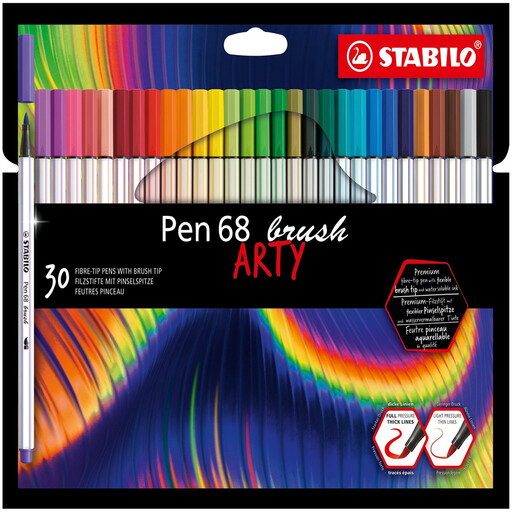
Why we chose it ? A benchmark for fans of lettering, illustration, or *bullet journaling*. The flexible brush tip offers precise control over line thickness, and the wide palette of 30 colours opens up a nearly infinite field of creative possibilities.
It counters the rapid-drying pitfall. According to Stabilo, these markers can be left uncapped for up to 24 hours without drying out—a major asset during long drawing sessions when you're juggling multiple colours.
The water-based ink is blendable : you can work it with a wet brush to create gradients and watercolour effects, giving them far more versatility than a standard marker.
We have curated a complete and up-to-date selection of products that meet our selection criteria and current safety standards.
The golden rule is to always close the cap tightly until you hear a "click". For high-quality models, like artist markers, storing them horizontally is recommended. This precaution ensures the ink is evenly distributed and prevents the tip from drying out or, conversely, becoming oversaturated.
The brush pen is a highly versatile tool. Its flexible, pressure-sensitive tip makes it ideal for modern calligraphy and creative hand lettering. Illustrators love it for creating dynamic strokes with thick and thin lines. It's also very popular for colouring and illustrating in bullet journals.
While excellent for note-taking and drafts, they should be used with caution for official documents or exams. Their heat-sensitive ink can disappear if the paper is exposed to heat (for example, during lamination or near a radiator). It's best to check the exam regulations and, when in doubt, opt for a pen with classic, permanent ink.