
Livraison le jour même ou le lendemain

Qualité garantie

Débloquez vos offres de bienvenue: Livraison GRATUITE | Jusqu'à -80 % | 30 jours d'essai gratuits à JoyPlus
Téléchargez l'application
Far more than a simple act of hygiene, a shower is a ritual—a moment for yourself. The choice of a scented shower gel is therefore crucial to transforming this routine into a true sensory experience. Yet, when faced with shelves overflowing with olfactory promises and skincare benefits, it's easy to get lost and walk away with a disappointing product.
As the Head of Product Recommendations at Joybuy, my role is to help you navigate the options. Let's break down the common pitfalls and objective criteria together, so your next shower gel is a delightful discovery, not a regret.
Marketing can be a powerful force. Here are two classic traps that can ruin your experience and make you waste your money.
To make an informed choice, you need to read between the lines… and on the label. Here are three key points to check before you head to the checkout.
A shower gel's primary function is to clean. The ingredients responsible for this are surfactants, or cleansing agents.
The texture and complementary ingredients play a major role in skin comfort.
While the choice of fragrance is highly personal, the quality of its composition and the product's origin are objective indicators.
To put theory into practice, here are a few products that perfectly illustrate these criteria and meet specific needs.
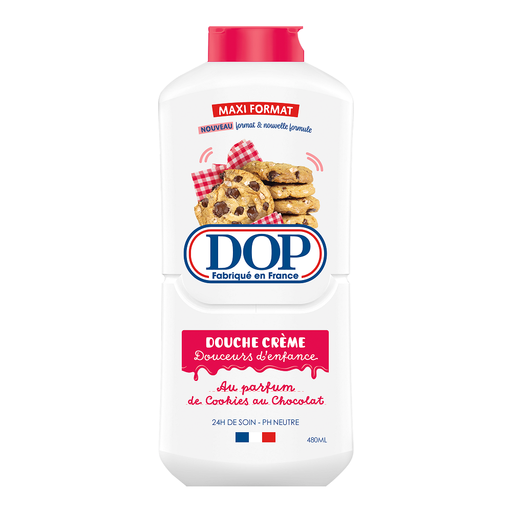
Why we love it: Ideal for those seeking a gourmet and nostalgic shower gel. Its chocolate cookie scent transforms the shower into a moment of pure pleasure, loved by kids and adults who are still young at heart.
Its skin-neutral pH formula, free from soap and dyes, is designed for gentleness and respects the skin's balance, avoiding the drying effect of more basic formulas.
Made in France (Rambouillet) and certified "Origine France Garantie," a guarantee of local expertise and controlled quality.
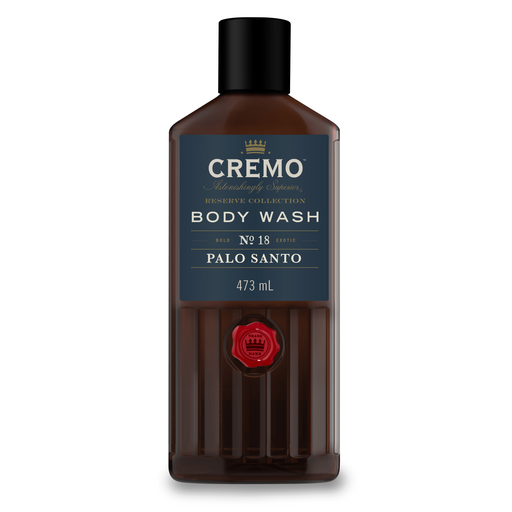
Why we love it: A men's shower gel that stands out with its complex, woody fragrance. Notes of cardamom, dry papyrus, and Palo Santo offer a sophisticated olfactory experience, a far cry from the overdone sporty scents.
Its complex fragrance is designed to unfold in the shower and leave a subtle yet lasting trail on the skin, sidestepping the trap of a fleeting scent.
The formula contains glycerin and marula oil (Sclerocarya Birrea Seed Oil), which ensure proper hydration without compromising on cleansing power.
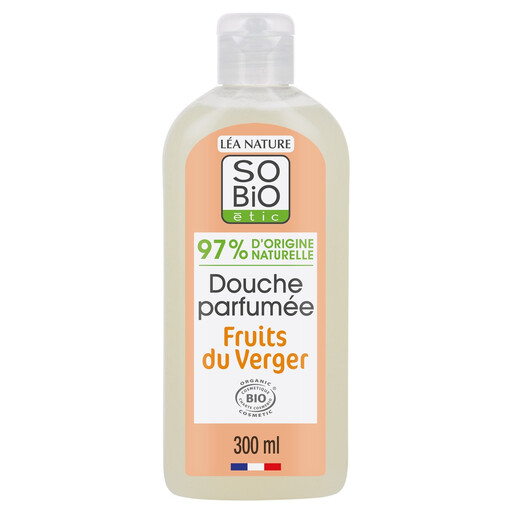
Why we love it: Perfect for those who prioritise clean formulas and organic shower gel. This fruity shower gel combines a sun-drenched fragrance with a formula that respects both your skin and the environment.
Its sulphate-free formula relies on gentle cleansing agents. It goes beyond a simple "natural" label thanks to its organic certification, which guarantees a flawless composition.
Made with 97% ingredients of natural origin, enriched with organic aloe vera powder, and made in France, it ticks all the boxes for the discerning consumer.
Discover our complete range of products that meet our demanding selection criteria and current regulations.
It's all in the texture and composition. A shower gel has a gel-like consistency, is often transparent, and focuses on cleansing and freshness. A shower cream has a richer, opaque, and creamier texture. It is generally enriched with moisturising and nourishing agents (oils, butters, glycerin) and is therefore better suited for dry or sensitive skin.
There are several tricks to prolong its scent trail. Choose products with a fragrance structured with base notes (woody, musky, vanilla), which are more tenacious. After your shower, apply a body lotion or oil from the same range or with a complementary fragrance to slightly damp skin. This will help "lock in" the fragrance.
Not necessarily. The organic shower gel label is an excellent mark of quality: it guarantees a formula free from certain controversial synthetic ingredients (parabens, silicones, harsh sulphates) and with a majority of ingredients from natural origin. However, sensitivity is unique to each person: you can be allergic to natural ingredients, like certain essential oils. The gentleness of a product depends on its overall formula and your own skin's reactivity. The best advice is always to take a look at the ingredients list.