
Livraison le jour même ou le lendemain

Qualité garantie

Débloquez vos offres de bienvenue: Livraison GRATUITE | Jusqu'à -80 % | 30 jours d'essai gratuits à JoyPlus
Téléchargez l'application
A scented candle can sometimes change the atmosphere of a living room, bedroom or bathroom in just a few minutes. Yet all too often, we choose one based on a pretty pot or an olfactory promise we can’t test before buying. When it arrives, the fragrance may turn out to be too subtle, the wax may burn unevenly, tunnel around the wick, or leave a container that’s difficult to reuse.
To avoid disappointment, it’s worth focusing on concrete criteria: the wax composition, wick type, weight, number of wicks and usage instructions. Here are the points to check when choosing a scented candle that suits your home and your habits.
A very pronounced fragrance when cold doesn’t guarantee even diffusion once the candle is lit. The result depends on the fragrance concentration, the type of wax, the diameter of the container and the wick.
Some descriptions highlight a high fragrance concentration, but this information alone isn’t enough to predict how it will perform in a room. In a small space, a medium-sized pot can work perfectly. For an open-plan living area, a three-wick candle or a wider container will generally distribute heat and fragrance more evenly.
A decorative pot in textured glass, ceramic or with a lid can easily find its place in your décor. However, its appearance tells you nothing precise about the burn time or how easy it is to maintain.
Always check the net weight, the pot dimensions and the stated burn time. A reusable container is a real plus in daily use, but always wait until it has completely cooled down before moving, cleaning or reusing it.
If the wax doesn’t melt all the way to the edges on the first use, it can form a tunnel around the wick. The candle then burns more quickly in the centre, while some of the wax remains stuck to the sides.
To minimise this, let the wax liquefy right to the edge of the container on the first use, without exceeding the maximum burn time recommended by the manufacturer. For the models featured here, this time is generally between two and four hours maximum, depending on the product.
A plant-based candle can be made from soy wax or other plant-derived materials. Some manufacturers blend several types of wax to achieve a texture and burn suited to the pot size. Paraffin wax candles, as well as paraffin-soya blends, are also very common.
Don’t stop at the words “natural” or “clean”. Instead, check the ingredient list, warnings and safety information provided on the product page and packaging.
A well-maintained wick helps keep the flame stable. It’s generally recommended to trim it to about 5 to 6 mm before each lighting, following the manufacturer’s instructions. A wick that’s too long can cause an excessive flame and more smoke.
A three-wick candle heats a larger surface area. It can therefore be suitable for a spacious room or for use during a meal. On the other hand, it must be placed on a perfectly stable surface and kept under constant supervision.
Weight alone doesn’t allow you to calculate the burn time precisely. The diameter of the container, the type of wax and the wick also influence how quickly the candle burns. As a guide, several Zooly models of 200 g claim up to 30 hours of burn time, while some Jo Malone London candles of 200 g indicate around 45 hours.
These figures remain estimates. A draught, a poorly trimmed wick or overly long use can significantly alter the result.
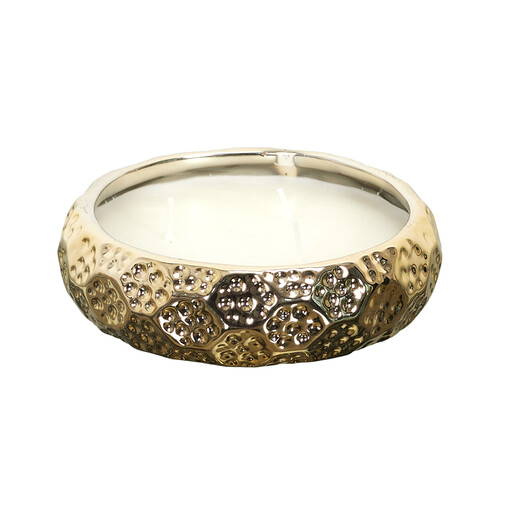
Why this choice suits this profile: Its simple format and three wicks make it ideal for a first experience, particularly in a living room or on a table at dinner time.
The number of wicks is clearly stated, so you don’t have to judge the diffusion power based on the design alone.
Three wicks and suitability for use in the living room, bedroom or bathroom.
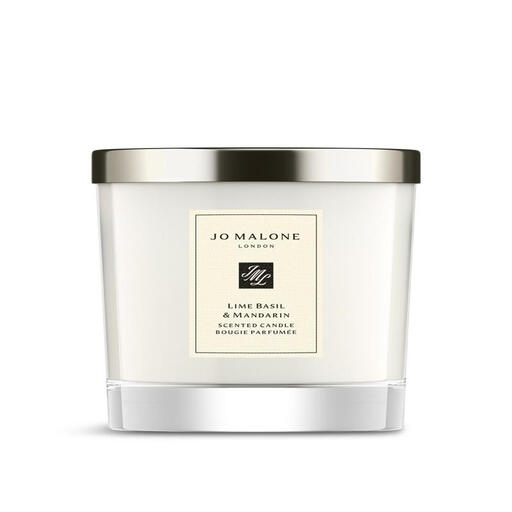
Why this choice suits this profile: Its notes of lime, basil and mandarin appeal to those looking for a premium scented candle for a well-appointed home.
The product page states the 200 g weight, the ingredients and an estimated burn time of around 45 hours – more reliable benchmarks than the visual presentation alone.
Comes with a lid, a paraffin-soya wax blend and a fragrance with citrus and aromatic herb notes.

Why this choice suits this profile: Designed to tackle tobacco odours, it can be useful in a home where you want to freshen the atmosphere after a lingering smell.
The product page specifies the warnings, fragrance allergens and a recommended burn time of two to three hours, rather than promising to eliminate odours completely.
A stated plant-based wax, a recyclable or reusable glass pot and notes of amber, sandalwood and white flowers.
A handmade candle can appeal because of its unique character, but take the time to check its composition, weight and safety instructions. The words “natural”, “plant-based” or “long-lasting” are only meaningful if they come with concrete information.
We have compiled a complete, real-time updated list of products that fully meet these strict selection criteria and European safety regulations.
Follow the burn time stated on the product page and packaging. The models featured generally recommend not exceeding two to four hours per use. Extinguish the flame before leaving the room, going to sleep or moving the container.
On the first burn, wait until the wax melts all the way to the edges of the pot, without exceeding the maximum recommended burn time. Before each use, trim the wick to about 5 or 6 mm. Also avoid draughts, which can cause uneven burning.
It can change the olfactory atmosphere, but it doesn’t replace airing the room or cleaning fabrics and surfaces. For a candle marketed as anti-tobacco odour, check the ingredients, allergens and precautions listed on the label.