
Livraison le jour même ou le lendemain

Qualité garantie

Débloquez vos offres de bienvenue: Livraison GRATUITE | Jusqu'à -80 % | 30 jours d'essai gratuits à JoyPlus
Téléchargez l'application
A scented candle is so much more than just a source of light. It's a promise of ambiance, a detail that transforms a room, an olfactory journey without ever leaving your living room. Yet, the experience can quickly turn to disappointment. Who hasn't faced these letdowns that leave a bitter taste... and the feeling of having thrown money down the drain?
For your next purchase, here are the essential points to check to find that perfect gem and prevent it from ending its life as a mere paperweight.
Choosing a scented candle goes far beyond its cold throw or the colour of its jar. Three pillars guarantee a quality experience.
The type of wax used directly impacts the burn time and, most importantly, the fragrance diffusion.
A clean, even burn depends on the alchemy between the wick and the width of the jar. A wick that's too thin in a large container, and tunnelling is guaranteed. Too thick, and you'll be treated to unpleasant black smoke.
For a large scented candle, the presence of multiple wicks (two or three) is an excellent indicator. It's the guarantee that the entire surface will melt evenly. The vessel also plays a role. An apothecary jar candle, for instance, is more than just a trendy decorative item. Its wide opening promotes a good burn, and its lid protects the fragrance from dust once the candle is extinguished.
The fragrance is the soul of the candle. But beyond your personal preferences, each major scent family has its perfect time and place.
This is also an avenue to explore if you're looking for a candle gift idea: a woody or citrus scent is generally a safe bet that appeals to most people.
No endless list here. We've selected three candles that meet specific needs. It's up to you to find the one that suits you.
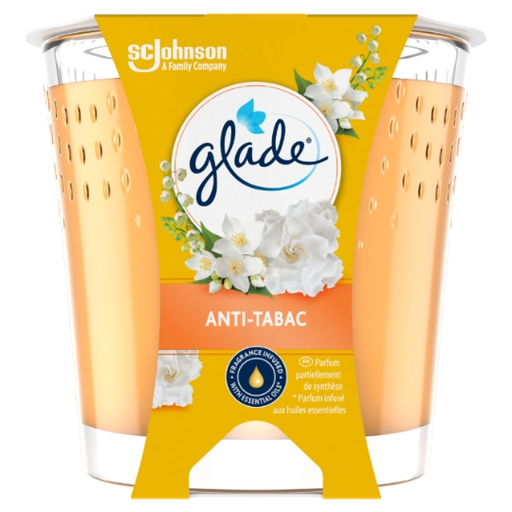
Why we chose it: Perfect for those who want to tackle a stubborn odour (tobacco, cooking...) rather than just covering it up. It meets a concrete, functional need.
Its formula is specifically designed to neutralise odour molecules, not just mask them. This avoids the trap of the scent fading and letting the bad smell return.
Specific anti-odour formulation (notes of amber and sandalwood). According to the manufacturer, its wax is plant-based and its glass jar is recyclable.
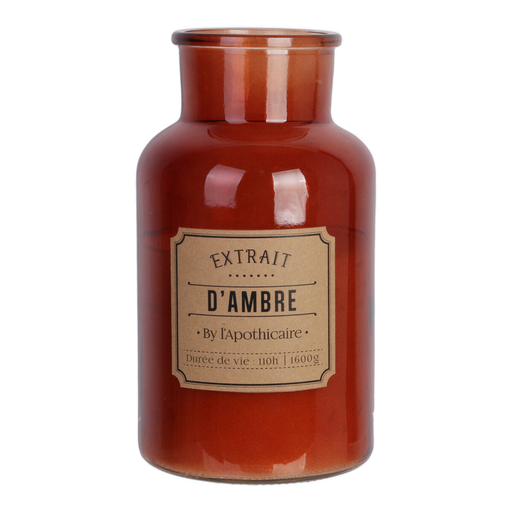
Why we chose it: For anyone who considers a candle a decorative object in its own right. Its vintage apothecary look and XL size make it a centrepiece on a console or coffee table.
Thanks to its wide diameter, this large scented candle ensures a very even burn, which limits the risk of wax tunnelling. Its lid protects the wax from dust and preserves its fragrance.
Its apothecary jar design is right on trend. Dual purpose: it scents and decorates. Its jar can be reused once the candle is finished.
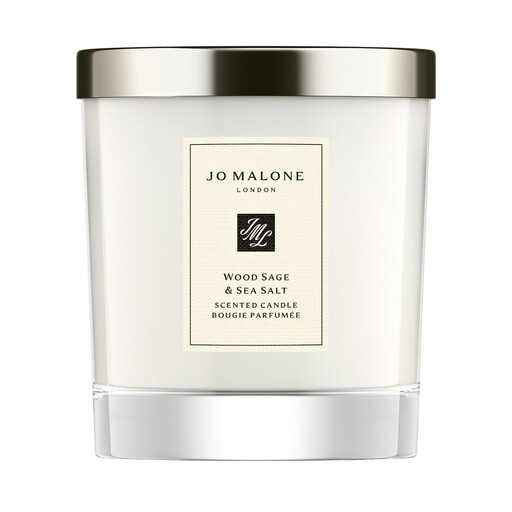
Why we chose it: For lovers of fine perfumery looking for a true olfactory signature for their home—complex and elegant. It's also an excellent **candle gift idea** for connoisseurs.
Unlike synthetic, linear scents, a perfumer's creation offers a rich and evolving diffusion. The blend of quality notes prevents the "cheap air freshener" effect.
A very sophisticated woody and marine scent (sage, sea salt). Jo Malone states a burn time of approximately 45 hours, for a long-lasting experience.
Explore our complete selection of candles that meet our quality criteria and current safety standards.
The secret is the first burn. Let the candle burn until the entire surface is liquid. This crucial step creates a "burn memory" that will prevent the wax from tunnelling on subsequent uses. Also, remember to recentre the wick just after extinguishing it (while the wax is still soft) and trim it to about 5 mm before each use.
Soy wax has serious advantages: it's plant-based, renewable, and burns more slowly. However, the quality of a home fragrance candle depends on the perfect balance between the wax, the wick, and the fragrance concentration. An excellent paraffin candle or a well-formulated blend can offer just as remarkable a diffusion. Ultimately, it's all a matter of personal preference and values.
For safety reasons and to preserve your candle, it's advisable not to let it burn for more than 3 to 4 hours at a time. This prevents the container from overheating and the wick from deforming. In any case, always follow the manufacturer's safety instructions on the packaging.