
Livraison le jour même ou le lendemain

Qualité garantie

Débloquez vos offres de bienvenue: Livraison GRATUITE | Jusqu'à -80 % | 30 jours d'essai gratuits à JoyPlus
Téléchargez l'application
A scalp shampoo should not be chosen solely based on its fragrance, its promise of ‘freshness’ or the appearance of the bottle. Visible dandruff, itching, oily roots or a tight feeling can all point to very different needs. A formula designed for oily hair may, for example, feel too harsh on a dry or sensitive scalp.
Before buying, three common pitfalls are worth keeping in mind:
Observe your scalp over several days, rather than focusing solely on the condition of your hair lengths:
If itching persists, is accompanied by significant redness or involves lesions, it is best to seek advice from a healthcare professional. A cosmetic product is not a substitute for a diagnosis.
The INCI list provides more practical information than advertising slogans. Here are the ingredients to look out for:
The organic claim should also be checked against an identifiable certification, such as Cosmos Organic. ‘Of natural origin’ and ‘organic’ do not mean the same thing.
Apply a reasonable amount to wet hair, massage with your fingertips without scratching the skin, then rinse thoroughly. A second wash may be recommended depending on the product, but it is not always necessary.
Richer treatments, such as a mask or conditioner, should remain targeted. For example, the Head & Shoulders Derma X Pro Sensitive Scalp Care 145 ml conditioner is presented as a rinse-off treatment to be used after shampooing, two to three times a week. Always follow the instructions, shelf life and warnings shown on the packaging.
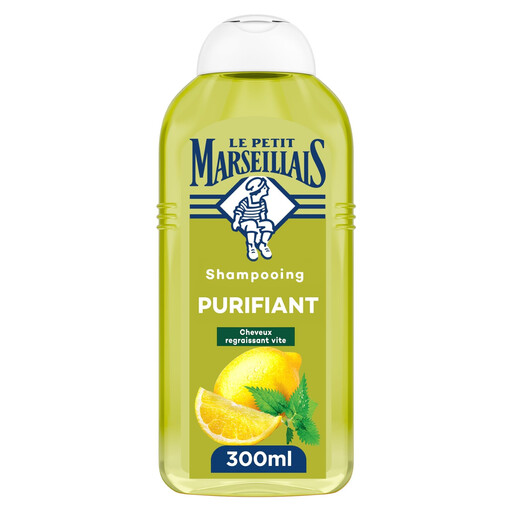
Why this choice suits this profile : Its 300 ml size and accessible price make it suitable for a simple routine for oily or combination hair.
The formula is advertised as silicone-free and made with 98 % ingredients of natural origin. This lets you check a formulation preference rather than relying solely on a promise of freshness.
Organic nettle and lemon, silicone-free formula, made in France and recyclable bottle.
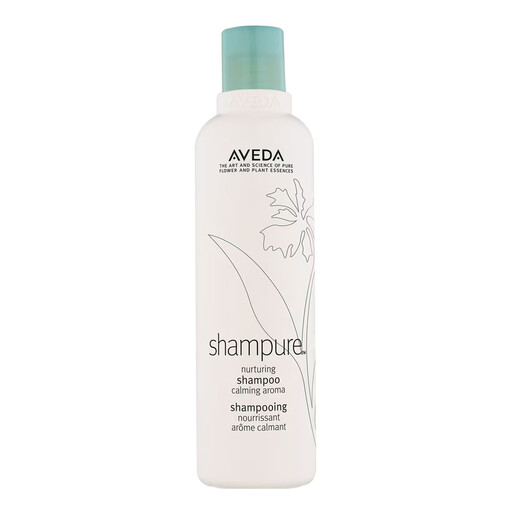
Why this choice suits this profile : This 250 ml size is aimed at people looking for a refined sensory experience and a vegan formula.
The product details set out the formulation criteria : silicone-free, mineral-oil-free and made with 96 % ingredients of natural origin.
Vegan formula, silicone-free, with babassu oil and a lavender, orange blossom and ylang-ylang fragrance.
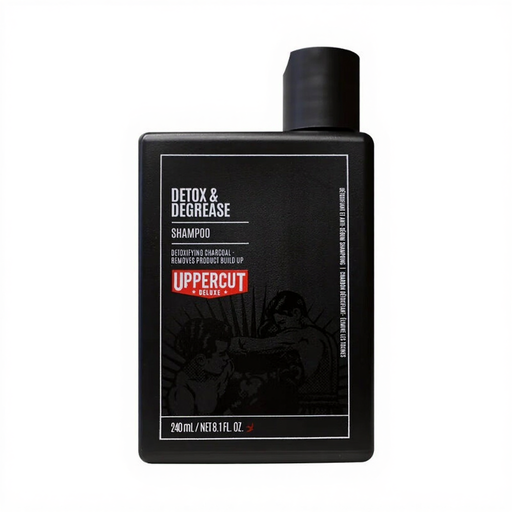
Why this choice suits this profile : It is suitable for people who regularly use waxes, pomades or other styling products and want to use a clarifying wash occasionally.
The instructions recommend using it once or twice a week. This prevents a detox shampoo from becoming an everyday product.
Charcoal and salicylic acid, 240 ml size and a leave-on time of one to two minutes in case of build-up.
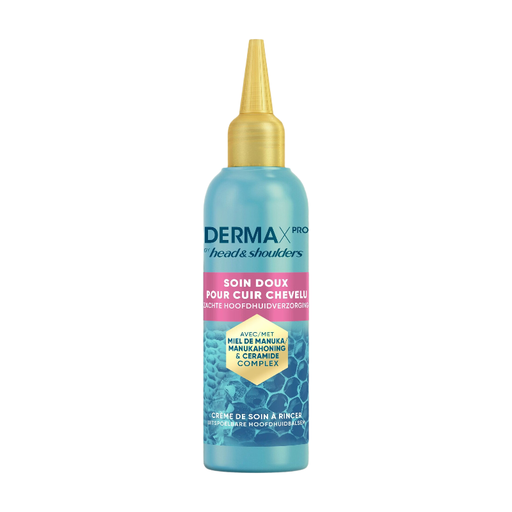
Why this choice suits this profile : This 145 ml conditioner complements a routine for dry scalps, with targeted application after shampooing.
Its targeted use prevents you from routinely replacing shampoo with a rich treatment. The formula is advertised as silicone-free and non-greasy.
Ceramide complex, glycerine, Manuka honey and piroctone olamine listed in the ingredients.
We have put together a complete, real-time updated selection of products that meet these strict criteria and European safety requirements.
Start with a formula designed for sensitive scalps and, depending on your tolerance, limit potentially irritating ingredients, particularly fragrance and certain essential oils. Massage gently, rinse thoroughly and stop using the product if redness or irritation occurs. If the discomfort persists, seek advice from a healthcare professional.
It depends on the formula and its instructions. Some products are designed for regular use, while others are intended for a limited period. Alternating with a milder shampoo may be considered if this matches the manufacturer’s guidance and your scalp’s reaction.
Check the open-jar symbol, the minimum durability date and the information printed on the packaging. Keep the bottle closed and away from heat and direct light. If the smell, texture or colour changes, it is best to stop using the product.