For a savoury breakfast to share, choose mini toasts for bite-sized portions, or a larger crispbread if everyone is putting together their own plate; a rusk is a good choice for a simpler spread. The word ‘premium’ is no substitute for comparing ingredients, allergens and nutritional information per 100 g. Make sure the format also suits the toppings you have in mind.
Who is this guide for?
If you’re hosting a savoury breakfast
If you’re preparing a selection of toppings to share, the size of the base matters just as much as its recipe. Mini toasts are ideal for bite-sized portions, while larger slices let everyone put together their own toast.
If you’re looking for a substantial slice of toast
For a savoury plate, compare the proportion of wholegrains listed in the ingredients, then check the fibre and salt per 100 g. The product range name alone doesn’t tell you what each product contains.
If you’re keeping an eye on salt or allergens
If these factors will determine your purchase, check the specific product and the toppings you plan to serve. A label such as ‘wholemeal’, ‘rye’ or ‘no added salt’ is no substitute for reading the packaging.
What should you look for?
First decide how you’ll serve the toppings, then compare the ingredients of the formats that suit your plans.
| What to consider |
What to check |
Best for |
| Format and toppings |
Choose between mini toasts, small rusks and larger slices, depending on how you plan to serve them. Check the dimensions if your toppings take up a lot of space or might make the bread soggy. |
If I’m serving a selection of savoury bites, I want portions that are easy to present and share; around 42% of consumers would put format at the top of their list. |
| Ingredients and fibre |
Check the proportion of wholegrains in the ingredients and the amount of fibre per 100 g, where this is stated. |
If I’m putting together toast on a plate, I want to be able to tell a wholegrain recipe from a product range name alone; ingredients would be the priority for around 33% of consumers. |
| Salt and allergens |
Compare the salt per 100 g and check the allergens, along with any ‘may contain’ information, for the product you’ve chosen. |
With toppings that are already salty, or if I need to avoid an allergen, the label matters more than presentation when I’m choosing what to buy; around 25% of consumers would prioritise these checks. |
Mistakes to avoid
-
Assuming ‘premium’ or ‘wholegrain’ tells you what’s in the product
These words are no substitute for checking the details of the specific product. Auchan’s Cracotte Céréales Complètes contains 66% whole wheat and 7.5 g of fibre, but also 1.6 g of salt per 100 g.
Compare the ingredients list and nutritional information per 100 g of products intended for the same use.
-
Only checking the salt in the toast
Cheese, cured meats, prepared fish and condiments can all add salt to a savoury breakfast.
If salt is a deciding factor for you, check the salt information for the toast and take into account the toppings you’ll be serving.
-
Assuming rye or no-added-salt recipes are suitable for every dietary restriction
Roger’s rye mini toasts listed by Carrefour contain wheat and barley, among other ingredients. The Heudebert no-added-salt product listed by Joybuy contains gluten and may contain sesame.
Check the allergens and any ‘may contain’ information on the packaging of the product you receive.
Brands to know
Cracotte
The 250 g Céréales Complètes product makes a crunchy base to consider if you’re looking to put together savoury toast.
- According to Auchan’s listing, this product contains 66% whole wheat and provides 7.5 g of fibre per 100 g.
- The same product contains 1.6 g of salt per 100 g, includes wheat, rye and milk, and may contain soya and sesame.
Heudebert
The range includes classic rusks and a no-added-salt option. Choose based on the specific recipe rather than the brand name alone.
- On Joybuy, Biscot Nat 300 g lists 96.5% wheat flour; the no-added-salt product contains 0.01 g of salt per 100 g.
- These figures refer to two different products. The no-added-salt product contains gluten and may contain sesame.
Carrefour
Carrefour Original and Carrefour Extra include a range of crispbread and toast formats.
- Large crispbreads, small rusks and thin toasts let you choose a base to suit how you plan to serve them.
- Check the weight, ingredients and allergens of the product you choose: its format doesn’t tell you what it contains.
Epi d’Or
This E.Leclerc Marque Repère range includes whole-wheat crispbread, small rusks and cereal toast.
- The range offers several formats to compare, whether you’re putting together an individual plate or serving food to share.
- To compare recipes, check the label on each product rather than assuming its nutritional values from the range name.
Roger
The Mini Toasts Grillés à la Farine de Seigle are best suited to bite-sized portions rather than a larger slice of toast.
- According to Carrefour’s listing, this product contains 21% T170 rye flour.
- It also contains wheat and barley; the listing notes that sesame, soya, eggs and dairy products are used in the manufacturing facility.
Crispbreads and rusks on Joybuy
These two products offer a crunchy base for putting together a savoury breakfast on a plate. Before planning bite-sized portions or generous toppings, check the size of the slices.
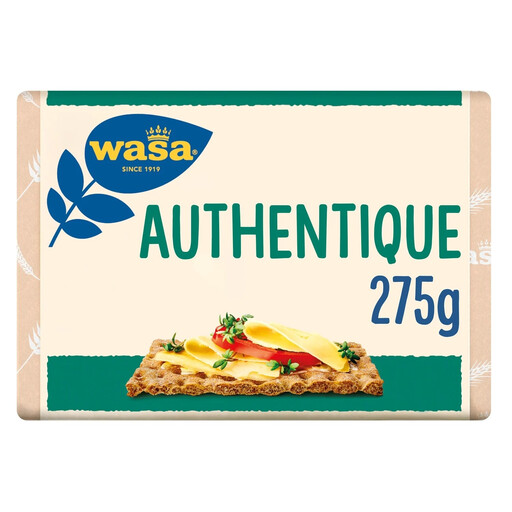 Image unavailable
WASA Authentic crispbread, 275 g
Consider this as a crunchy base for savoury toppings served on a plate. Check the slice size to make sure it suits your toppings, and read the ingredients and any ‘may contain’ information if you need to avoid an allergen.
View on Joybuy
 Image unavailable
KRISPROLLS Complete Nature Unsweetened, 240 g
A rusk option to consider if you prefer a wholegrain recipe to go with savoury toppings. The pack contains 240 g; check the slice size and allergen information on the label before serving.
View on Joybuy
Frequently asked questions
Mini toasts or larger slices when you’re entertaining?
Mini toasts are ideal for bite-sized portions to share, while a larger slice gives you more room for toppings served on a plate. If your toppings are moist or generous, check the dimensions and sturdiness of the product before deciding on portions.
How do you compare the ingredients in two types of toast?
Compare their ingredients and nutritional values on the same basis, per 100 g, then check the format and allergens. The DGCCRF states that nutritional declarations for the relevant foods are given per 100 g or 100 ml.
Is wholegrain toast always lower in salt?
No. A wholegrain recipe and its salt content are two separate things. Auchan’s listing for Cracotte Céréales Complètes states that this product contains 66% whole wheat and 1.6 g of salt per 100 g; check the ‘salt’ line for the product you’re thinking of buying.
Where can you find allergens on the packaging?
Read the ingredients list and any ‘may contain’ information for the specific product. The DGCCRF states that allergenic ingredients must be highlighted on the labels of prepacked foods in France.


