People who make savoury spreads
For chutney, onion confit or another homemade accompaniment, choose a container based on its capacity, lid and intended preservation method.


When choosing a jar for a savoury breakfast accompaniment, match its capacity to how much you make and how often you’ll open it. A smaller size makes it easier to serve several flavours, while a larger container is better if you regularly use the same spread. If you’re making a homemade spread, check separately that the container is intended for food use and that the lid is suitable for your preservation method. A lid supplied with a jar is not necessarily suitable for heat processing.
For chutney, onion confit or another homemade accompaniment, choose a container based on its capacity, lid and intended preservation method.
If you open a jar regularly, choose a capacity that matches how much you’ll use, so you don’t leave too much spread in an opened container.
Small jars of ready-to-eat jam make it easy to serve several flavours. Check the label on each product for its ingredients and storage instructions after opening.
First decide whether you need a container for a homemade spread or a ready-to-serve jam. Then compare capacities and, for homemade preparations, check what the lid is intended for.
| What to consider | What to check | Who is this for? |
|---|---|---|
| Capacity and leftovers | Compare the capacity of each jar and the number of jars in the pack with the amount you make or consume. | If I open a spread regularly, I prefer a size my household can finish without leaving too much in an opened jar; around 50% of consumers would put this fit first. |
| Preservation method | Check that the container is intended for food use, and look for separate manufacturer instructions for the lid and your chosen method. | To preserve a homemade preparation using my chosen method, I need to know whether both the jar and its lid are suitable; this precaution would be a priority for around 30% of consumers. |
| Serving several flavours | For ready-to-eat jam, check the weight per jar, ingredients and storage instructions after opening. | When I have guests, I want to offer several flavours without opening a large jar of each; ease of serving would come first for around 20% of consumers. |
Le Parfait states that the lid supplied with its 324 ml jam jar is not suitable for heat processing. So a jar coming with a lid does not, by itself, mean it is compatible with your method.
Before buying, check the manufacturer’s instructions for both the jar and the lid, based on the preservation method you plan to use.
A 0.5 L jar leaves you with more spread to use once it’s open. Anses notes that food storage conditions matter when it comes to limiting the risk of contamination.
Choose a capacity that suits your household’s rate of consumption and follow your recipe’s storage instructions.
Don’t assume a decorative jar or a container with an unclear intended use is suitable for storing food.
Choose a container intended for food contact and follow its instructions for use, in line with DGCCRF recommendations.
The recall published by RappelConso for Bonne Maman 30 g mini strawberry jam jars applies to GTIN 3045320070361 and batches K154 and K155, not to every product from the brand.
If you have this product, compare the identifiers on its packaging with those on the RappelConso notice and follow the recall instructions.
Le Parfait offers glass jam jars in 44 ml, 324 ml and 385 ml sizes.
E.Leclerc lists a pack of six 230 ml Einkochwelt glass jam jars.
E.Leclerc lists Jarro 0.5 L glass jam jars, sold in packs of six.
Bonne Maman offers ready-to-eat jams; Auchan lists, among other options, an assortment of five 50 g jars.
These glass containers come in a range of capacities, making it easy to compare portion sizes for homemade preparations. They are not all described as jam jars, so before using one to store a spread, check that it is intended for food use and follow the instructions for the lid.
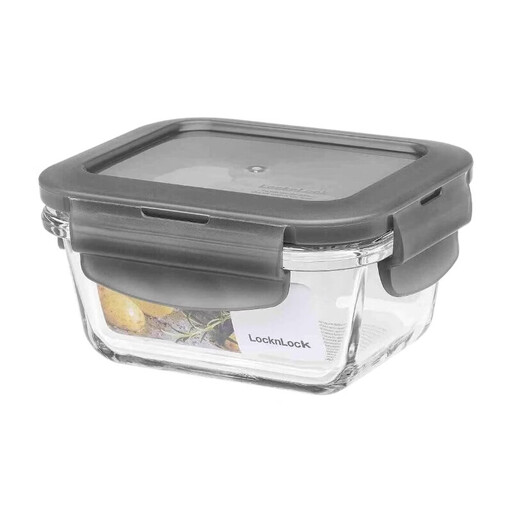 Image unavailable
The 500 ml size may suit you if you want to divide a cooled preparation between medium-sized containers.
The product title describes a square container with a grey lid. Before using it for any heat-based preservation method, check that the lid is compatible with the method you’ve chosen.
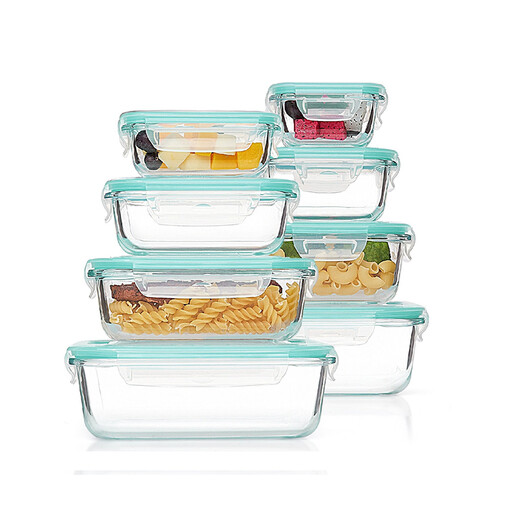 Image unavailable
This set gives you a choice of container sizes to suit the amount you want to portion out.
It includes one container in each of the following capacities: 150, 200, 320, 370, 520, 640, 800 and 1,040 ml. Check that the containers are intended for food use and that the lids are compatible before storing a preparation in them, especially if your method involves heat.
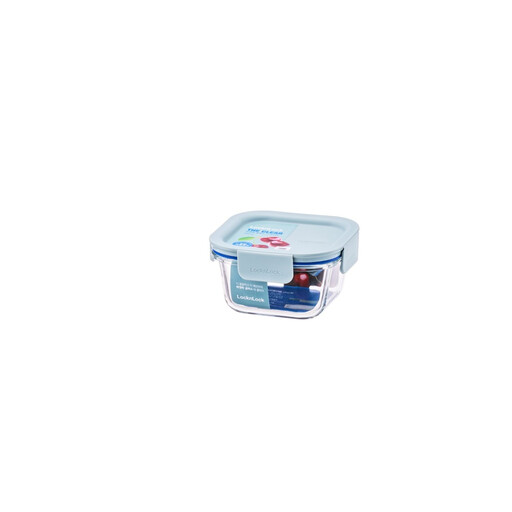 Image unavailable
This 500 ml square container offers another medium-sized option for portioning out a preparation.
Before use, check that it’s suitable for the preparation you have in mind. Don’t assume that the lid is compatible with heat processing just because of the container’s material.
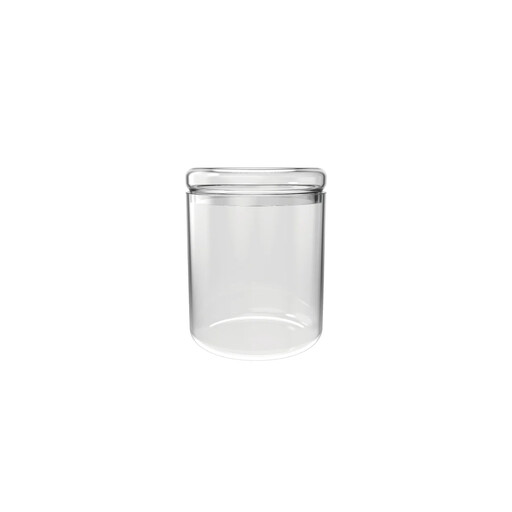 Image unavailable
If you’d prefer a 500 ml round jar, first check that this model is suitable for the preparation you plan to put in it.
It is presented primarily for dry foods, so confirm that it’s suitable for jam or chutney before buying. It is not suitable for the oven or microwave.
 Image unavailable
If you’re making a larger quantity of the same accompaniment, compare the 630 ml capacity with the 500 ml sizes.
This is a rectangular container rather than a dedicated jam jar. Check that it is intended for food use and read the instructions for the lid. Remove the lid before putting the container in the microwave, as stated in the product description.
No. Compatibility depends on the jar, the lid and the method you plan to use. Le Parfait, for example, states that the lid supplied with its 324 ml jam jar is not suitable for heat processing. Check the manufacturer’s instructions before using another model.
Check that the container is intended for food contact and for the use you have in mind. DGCCRF recommends using containers designed for cooking or storing food; also check the condition of the jar and lid.
Read the ingredients list, any allergens listed, the net quantity and the storage instructions, especially those for after opening. For pre-packed food in France, DGCCRF also highlights the importance of other applicable labelling information, including the date shown on the product.
No. The recall published by RappelConso applies to 30 g mini jars of strawberry jam identified by GTIN 3045320070361 and batches K154 and K155. If these identifiers appear on your product, check the official notice and follow its instructions; don’t assume the recall applies to other jars.
Put the glass packaging in a container reserved for glass. The French Agency for Ecological Transition classifies jam jars as glass packaging that should be sorted separately.