People taking a break away from home
You’re looking for a sealed pack that will fit in your bag. Check how much it contains: a small pack isn’t necessarily a single portion.


For a coffee break away from home, start by choosing a pack you can take with you unopened: a small pack for one break, or individually wrapped portions if you’re planning several. A larger pack is better suited to sharing or somewhere you can reseal it. To compare similar biscuits, check the nutritional information per 100 g, particularly the salt content. If there’s a Nutri-Score on the packaging, use it as an additional guide, but still check the ingredients and allergen information.
You’re looking for a sealed pack that will fit in your bag. Check how much it contains: a small pack isn’t necessarily a single portion.
You want to compare the salt and other nutritional values of biscuits eaten on the same occasion, using the Nutri-Score only if it’s shown.
Pack size and flavour aren’t enough to make your choice: check the ingredients list and any precautionary statements for the exact recipe.
For a break on the go, start with the packaging, then compare the labels of recipes that suit how you plan to use them.
| What to consider | What to check | Who it matters to |
|---|---|---|
| Pack size for taking with you | Net weight, number of sachets and amount in each sachet. | For a snack during a journey or a short break, I want to take a suitable amount without opening a large pack; around 34% of consumers put this need for a convenient pack size first. |
| Salt and nutritional values | Values per 100 g, particularly salt; Nutri-Score if displayed, when comparing similar products. | If I take this kind of break regularly, I prefer to compare labels before choosing; comparing salt and nutritional values is the top priority for around 33% of consumers. |
| Allergens and ingredients | Ingredients list, highlighted allergens and any precautionary statements for the variant you’re buying. | When an ingredient or allergen affects my choice, I need to check the exact recipe rather than relying on its name alone; this is the main concern for around 20% of consumers. |
| Several breaks or sharing | Number of individual sachets, the weight of each and whether a shared pack can be resealed. | If I’m planning several breaks or bringing biscuits to share, I look for packaging that suits those uses; around 13% of consumers prioritise this kind of arrangement. |
The pack weight tells you what you’re buying, not necessarily how much you’ll want to eat during a break. A multipack may also contain individual sachets in a different size from what you expect.
Check the weight of each sachet and the number of portions stated on the packaging, if provided.
In France, the DGCCRF distinguishes between the mandatory nutrition declaration for relevant prepacked foods and the Nutri-Score, which is voluntary. So its absence isn’t, by itself, a reason to judge a product.
Compare the nutritional values per 100 g of similar products, then use the Nutri-Score as an additional guide if it’s shown.
Two variants from the same brand can have different ingredients. The European Commission states that allergens used as ingredients must be highlighted in the ingredients list.
Check the label of the product you’re buying, along with any precautionary statements it may include.
The range includes savoury biscuits in different pack sizes, including crackers designed for sharing.
Vico’s range features several types of savoury snacks, not all of which are biscuits.
Carrefour’s range includes crackers, pretzels and breadsticks, as well as multipacks containing several sachets.
E.Leclerc’s range includes Tokapi savoury biscuits, including crackers sold in multipacks.
Auchan’s range includes savoury biscuits in compact and larger packs, including crackers in individual sachets.
This selection of savoury biscuits includes a multipack for planning several breaks, compact packs and a family-size option that’s better suited to sharing. If you’re taking them with you, check the packaging for the product you choose.
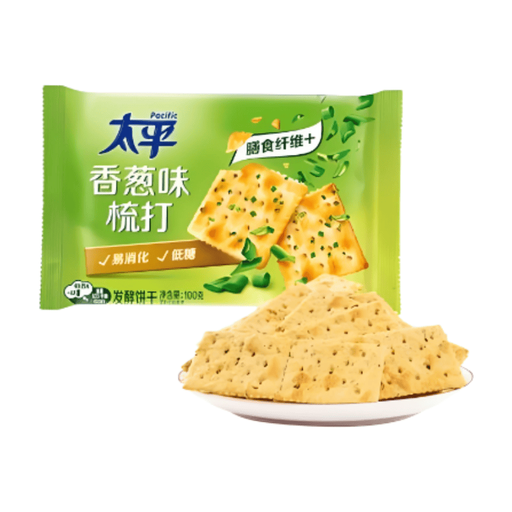 Image unavailable
The four small sachets make it easy to plan several breaks without opening the whole pack at once. The pack weighs 100 g in total; check the weight of each sachet to see how much you’ll be taking with you.
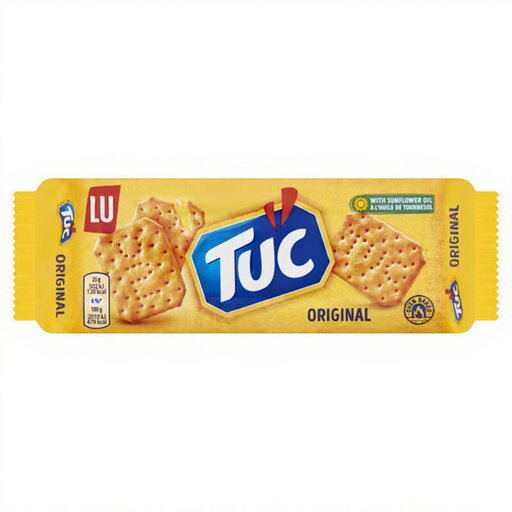 Image unavailable
This 100 g pack is a good option if you want to choose how many crackers to take for your break. If you plan to keep the rest after opening, check whether the pack contains individual sachets or can be resealed.
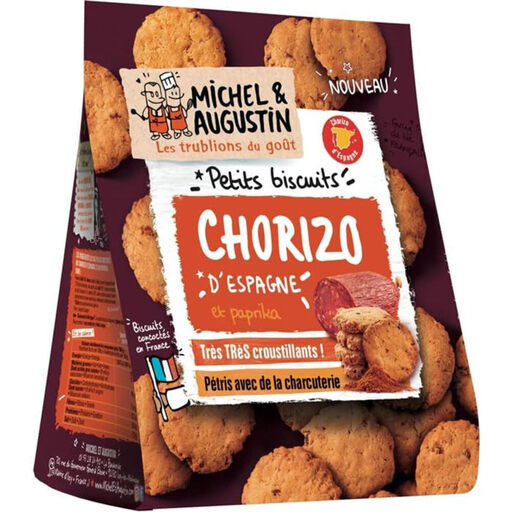 Image unavailable
This 90 g pack has a chorizo and paprika flavour, if that’s what you fancy for your break. Check the ingredients if there are any you need to avoid, and check the packaging too if you want to keep some of the biscuits after opening.
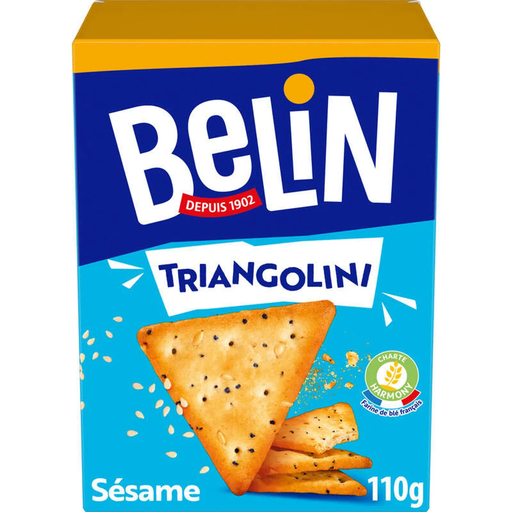 Image unavailable
These 110 g crackers may be better suited to sharing than to a pre-portioned individual snack. Check the packaging if you want to take them with you after opening, and read the label if sesame or other allergens are a concern for you.
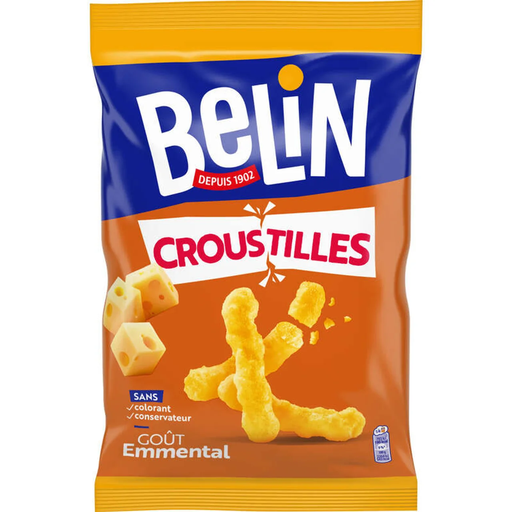 Image unavailable
The 138 g family-size pack is better suited to sharing than to a single snack on the go. If you plan to take some with you, check how the pack is sealed; also read the label for the ingredients and allergen information.
No. According to the DGCCRF, a nutrition declaration is mandatory for the relevant prepacked foods, while displaying the Nutri-Score is voluntary. If it appears on the pack, use it alongside the nutritional values, ingredients list and allergen information.
Compare the nutritional values per 100 g of products you’d eat on the same occasion, then consider how much you actually plan to take with you. Pay particular attention to the “salt” line: Manger Bouger, the Santé publique France website, lists savoury biscuits among the salty foods it recommends limiting.
No. The net weight tells you how much is in the pack, not how much you should eat in one sitting. Check the number of portions stated, if any, along with the number and weight of the individual sachets if the product contains them.
Read the ingredients list for the exact variant: the European Commission states that allergens used as ingredients must be highlighted there. Also check any precautionary statements on the packaging, and don’t assume one variant has the same ingredients as another.