What should you look for before buying?
To choose between cheese biscuits, regional recipes and a selection, start by thinking about how the biscuits will fit into your spread. Then check the total weight, ingredients and nutritional information for the products you’re considering.
Biscuits featuring a specific cheese
Choose these: if you want to tell your guests that a recipe is centred on a particular cheese, such as the Beaufort PDO featured by Michel et Augustin or the Comté in Carrefour Sensation crackers.
Bear in mind: depending on the product, these recipes may contain wheat, milk or egg. The name alone won’t tell you the nutritional information.
Herb and olive biscuits
Choose these: if a regional flavour goes better with the rest of your spread. St Michel describes La Provençale as a recipe made with black olives and herbs of Provence.
Bear in mind: a regional recipe isn’t necessarily suitable for everyone; this product contains gluten, milk and egg.
A selection to share
Choose this: if offering a range of flavours and textures matters more than showcasing a single recipe.
Bear in mind: choosing several products means checking several ingredients lists and confirming availability at your chosen shop.
| Criteria |
What to check |
Who is this for? |
| Distinctive flavour |
Are the cheese or other featured ingredients clearly named? Is the pack size right for the spread you’re planning? |
I want to serve a nibble with a clearly stated flavour, rather than an indistinct biscuit; around 36% of consumers put this distinctive taste first. |
| Variety to share |
Pair a full-flavoured recipe with a plainer option if needed, then add up the pack weights. |
When my friends have different tastes, I’d rather offer a few different nibbles without buying too many packets; variety is the priority for around 29% of consumers. |
| Allergens |
Check the ingredients and any warnings about possible traces on every variety you buy. |
If a guest needs to avoid an ingredient, I need a suitable option that I can serve separately; around 21% of consumers prioritise this. |
| Nutritional content |
Compare the salt, fat and saturated fat per 100 g in similar products. |
Before choosing a recipe because it looks tempting, I want to check its nutritional information; this is the main consideration for around 14% of consumers. |
Brands to consider for these recipes
These brands offer recipes worth comparing, but this doesn’t guarantee the ingredients of another variety or its availability at your local shop.
Michel et Augustin
The brand offers savoury biscuits, some of which feature a named PDO cheese.
- For its Beaufort PDO and white pepper biscuits, Michel et Augustin says it uses ingredients including butter and Beaufort PDO matured for at least five months.
- Check the ingredients, allergens and nutritional information for the flavour you’ve chosen; the description of one recipe doesn’t apply to the whole range.
St Michel
The savoury biscuit range includes regional recipes made for aperitifs.
- According to St Michel, La Provençale combines black olives and herbs of Provence in a 120 g packet.
- This product contains gluten, milk and egg; possible traces of nuts and soya are also listed.
Carrefour Sensation
The range includes Comté and pepper crackers, with the featured ingredients listed on Carrefour’s product page.
- According to Carrefour, the 100 g product contains 17.5% grated Comté.
- It contains wheat and milk, with possible traces of egg, nuts and sesame. Check the packaging of the product you buy.
Biscuits and nibbles to discover on Joybuy
These products let you put together a spread featuring savoury biscuits with clearly stated flavours, with black truffle wafers as a different kind of nibble. Compare pack sizes and labels to suit your guests and the other food you’re planning to serve.
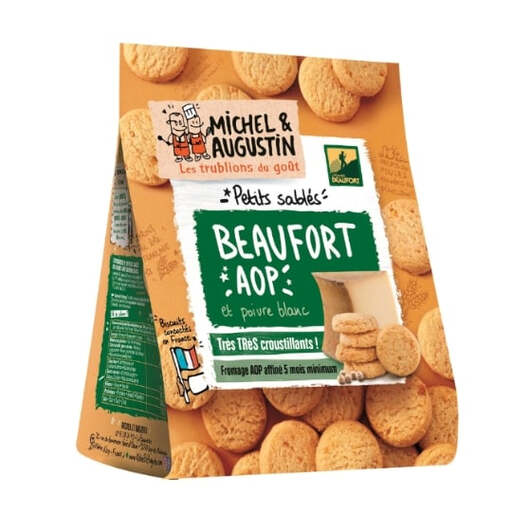 Image unavailable
Michel et Augustin, Beaufort PDO and white pepper biscuits, 100 g
A nibble centred on a named cheese, for a spread where you’ve planned the total quantity. Check the allergens and nutritional information on the packaging of the variety you buy.
View on Joybuy
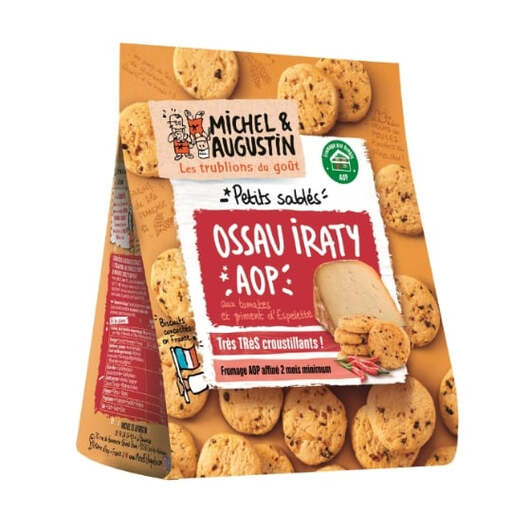 Image unavailable
Michel et Augustin, sheep’s cheese and tomato biscuits, 100 g
A way to add variety to a platter of savoury biscuits without relying on a single recipe to suit every guest. Check the allergens for this variety and adjust the quantity to account for the other nibbles you’re serving.
View on Joybuy
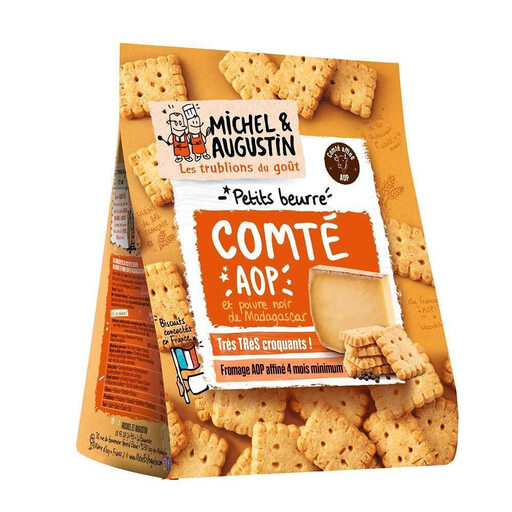 Image unavailable
Michel et Augustin Cote Black Pepper, butter biscuits, 100 g
Add a peppery recipe to a spread with a few different nibbles. Read the product name and ingredients for the variety you receive before serving, especially if you need to account for dietary restrictions.
View on Joybuy
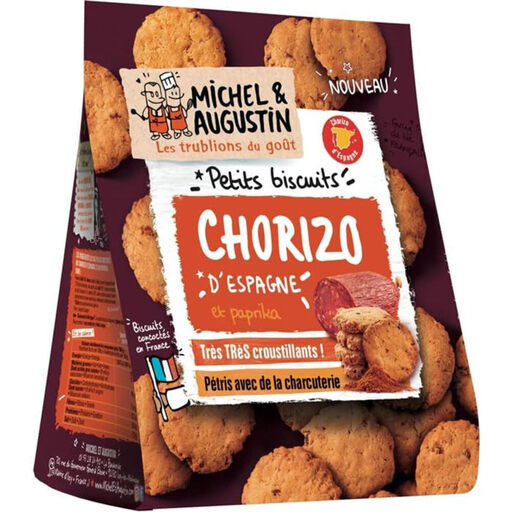 Image unavailable
Michel et Augustin, chorizo and paprika biscuit, 90 g
Serve a chorizo recipe alongside the cheese options. Factor the packet weight into your planned total and check the ingredients list before serving it to your guests.
View on Joybuy
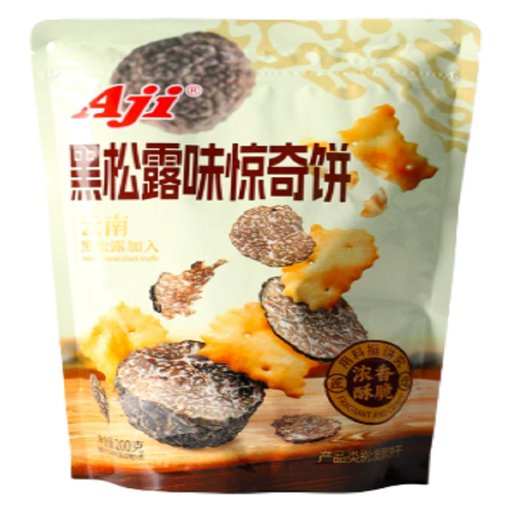 Image unavailable
Aji Surprise, crispy black truffle wafers, 200 g
A different kind of nibble to serve alongside savoury biscuits, rather than treating these wafers as savoury biscuits themselves. The mention of truffle doesn’t guarantee a particularly intense flavour, so check the ingredients and allergens on the packaging too.
View on Joybuy
Frequently asked questions
How can you spot a savoury biscuit made with a more considered recipe?
Look at the featured ingredients and their place in the recipe, rather than judging by the packaging alone. A named cheese, its percentage if stated, or a specific combination of herbs and olives gives you concrete details to compare. The phrase ‘premium quality’ isn’t a substitute for checking the ingredients.
Which allergens should you check in cheese biscuits?
Check the label for the exact product, including any warnings about possible traces. St Michel lists gluten, milk and egg in La Provençale, as well as possible traces of nuts and soya. Carrefour lists wheat and milk in its Comté and pepper crackers, with possible traces of egg, nuts and sesame.
Is Nutri-Score enough to compare two savoury biscuits?
No. Use it as additional information if it’s shown. When comparing products intended for the same occasion, also check the salt, fat and saturated fat per 100 g, as well as the ingredients list.
Can you plan an aperitif around an item featured in a Lidl catalogue?
Check that it’s available at the supermarket where you plan to shop before building your spread around it. Lidl says its catalogues are valid for set periods and that some shops don’t stock every product shown. The retailer also says that products can’t be reserved in its supermarkets.


