People avoiding gluten
Look for an explicit ‘gluten-free’ statement, then check separately for any other ingredients you need to avoid. This statement is regulated under EU law; it does not cover all allergens.


To choose a savoury biscuit for a mid-morning snack, start by identifying the specific allergen you need to avoid. Then check the ingredients, highlighted allergens and precautionary statements on the packet you buy. ‘Gluten-free’ does not mean ‘soya-free’ or ‘nut-free’. The Nutri-Score, which is voluntary in France according to the DGCCRF, can be a useful nutritional guide when displayed, but it does not tell you whether a product is suitable for an elimination diet.
Look for an explicit ‘gluten-free’ statement, then check separately for any other ingredients you need to avoid. This statement is regulated under EU law; it does not cover all allergens.
Look for the relevant allergen in the ingredients list and read any precautionary statements on the packet. A vague claim such as ‘allergen-free’ is not enough on its own to help you choose a suitable product.
For a mid-morning snack, compare the nutritional information per 100 g with the amount you plan to take with you. The Nutri-Score can help you weigh up your options when it appears on the packaging.
First decide what you need to avoid; then compare the nutritional information of products that meet that requirement.
| Criteria | What to check | Who is it for? |
|---|---|---|
| Avoiding gluten | Explicit ‘gluten-free’ statement; other allergens in the ingredients. | If you need to avoid gluten, a ‘gluten-free’ statement is more meaningful than a recipe that simply appears to contain no wheat. Around 45% of consumers with relevant dietary needs are said to prioritise avoiding gluten. |
| Another specific allergen | The specific allergen in the ingredients; any ‘may contain’ statement on the packet. | If you need to avoid milk, soya, peanuts or another allergen, a ‘free from’ statement about a different substance is not enough. Around 33% of consumers with relevant dietary needs are said to prioritise this check. |
| Nutritional comparison | Nutritional values per 100 g and the amount you plan to eat; Nutri-Score, if displayed. | For a savoury snack, comparing like-for-like products helps you choose based on the nutritional information and the portion you have in mind. Around 22% of consumers with relevant dietary needs are said to make this their top criterion. |
Carrefour describes the Schär crackers as gluten-free, wheat-free and lactose-free, but the ingredients list also includes soya flour. A specific claim does not apply to other substances.
Match each claim to the substance you need to avoid, and check all the allergens listed.
Anses points out that traces of peanuts may be present even when peanuts are not an ingredient in the recipe. This distinction matters if you have an allergy.
Read the precautionary statements on the packet and, if you have a diagnosed allergy, follow the advice agreed with your healthcare professional.
According to the DGCCRF, the Nutri-Score is voluntary in France. It provides information about a product’s nutritional profile, not its allergens.
If displayed, use it alongside the nutritional values; check the ingredients and precautionary statements separately.
A category page groups together products with different recipes. Appearing alongside each other in search results says nothing about whether a product is suitable for your dietary needs.
Check the exact product, then read the label on the packet you receive or have delivered before swapping one product for another.
Carrefour lists Schär savoury crackers with ‘gluten-free’, ‘wheat-free’ and ‘lactose-free’ statements.
Vico offers a range of savoury snack recipes, and the ingredients need to be checked for each individual product.
Belin features among the savoury biscuits listed by Auchan, with several distinct recipes available.
The retailer lists Schär crackers alongside other savoury biscuits.
Its savoury snacks section includes Schär crackers and snacks made to a variety of recipes.
This selection includes a rice and millet cracker, as well as crisps for a savoury snack. Crisps are not savoury biscuits; check the packet for any allergens you need to avoid before choosing each product.
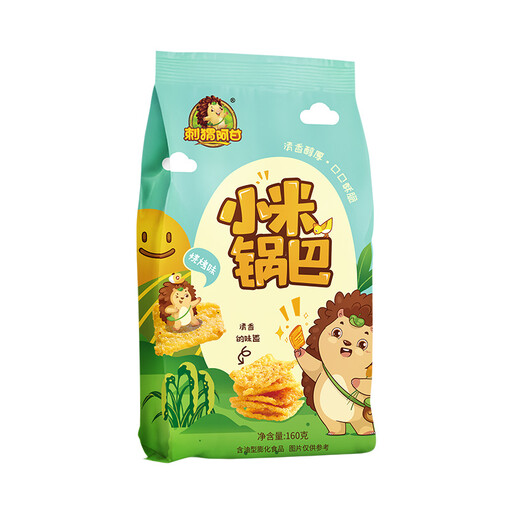 Image unavailable
A savoury cracker to consider for a snack if its ingredients suit your dietary needs. Sesame is listed for this product, so check the packet label if you need to avoid it. Compare its nutritional information per 100 g, too.
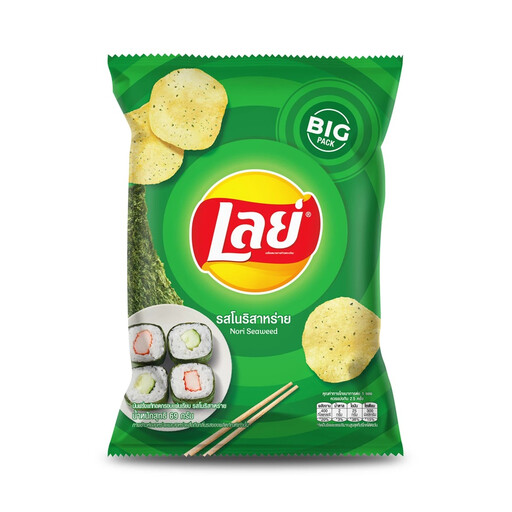 Image unavailable
A 75 g bag of savoury crisps, rather than savoury biscuits. Fish and soya are listed for this product: check the label if you need to avoid either, then compare the nutritional values per 100 g.
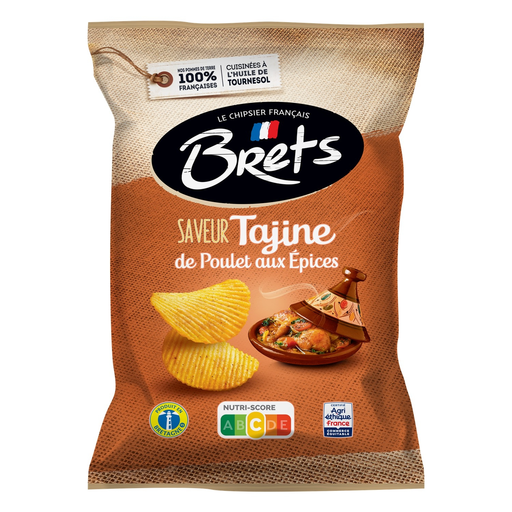 Image unavailable
Savoury crisps to compare with other snacks, without mistaking them for biscuits. Milk is listed for this product, and traces of celery and mustard may also be present. Check these details against your dietary needs on the packet you buy.
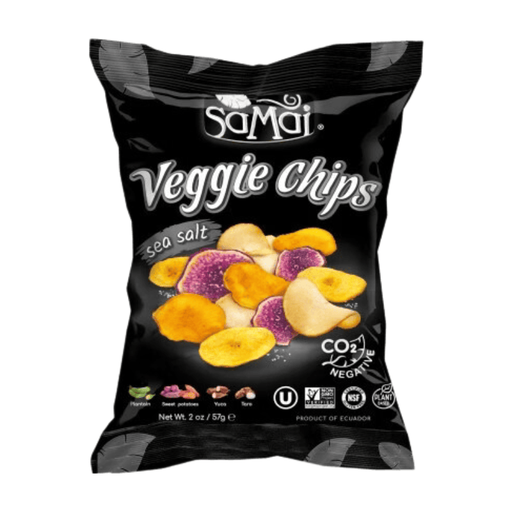 Image unavailable
A bag of vegetable crisps for a savoury snack, not a savoury biscuit. The ‘Contains: None’ statement associated with this product is not enough to guarantee that it is free from the allergen you need to avoid or from accidental traces. Read the packet label.
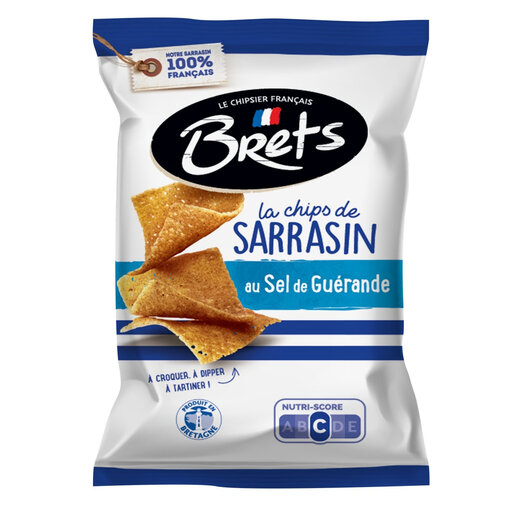 Image unavailable
Buckwheat crisps to consider as a savoury snack, but don’t assume they are suitable for your dietary needs just because of their main ingredient. Traces of gluten, milk, eggs and mustard may be present in this product. Check the packet statements if you need to avoid any of these.
No. According to the DGCCRF, the Nutri-Score is a voluntary label, separate from the nutrition declaration required for relevant pre-packed foods. To compare two products, check their nutritional values per 100 g even if the logo is not displayed.
The EU regulation on this claim sets a maximum gluten content of 20 mg/kg for a food to be labelled ‘gluten-free’. That alone tells you nothing about the possible presence of soya, milk, peanuts or tree nuts, so check the ingredients list as well.
First identify the allergen you need to avoid, then read the highlighted ingredients and precautionary statements on the specific packet you are buying. If you have a diagnosed allergy, follow your healthcare professional’s advice about any statement regarding possible traces.
A category page groups together products with different ingredients. Check the product details to help you decide, then check the statements on the packet you actually receive or have delivered, especially if a substitute is supplied.