
Livraison le jour même ou le lendemain

Qualité garantie

Débloquez vos offres de bienvenue: Livraison GRATUITE | Jusqu'à -80 % | 30 jours d'essai gratuits à JoyPlus
Téléchargez l'application
Choosing the right sauces and cooking oil bottles is not simply about comparing a price or betting on a well-known brand. A poorly designed bottle can leave oil dripping onto the countertop, a squeeze bottle can lack precision, and an opened product can quickly lose its qualities if storage instructions are not followed.
For individuals, families, and home cooks in France, three mistakes are common:
For an oil used daily, the spout plays an essential role. An oil dispenser with a fine spout makes seasoning easier, while a wider opening simplifies filling and cleaning.
Models with an ergonomic handle are particularly practical when you cook often or pour oil with one hand. For marinades and grilling, an oil bottle with a kitchen brush allows you to distribute a consistent amount over a baking sheet, a piece of meat, or vegetables. If the oil has been heated, however, let the container cool down before cleaning it.
A leak-proof measuring bottle should be examined from several angles: properly adjusted closure, no liquid return around the cap, and a sufficiently stable base. A dust cover can also prove useful if the bottle remains on the countertop.
A glass oil bottle allows you to instantly check the level and nature of the liquid. The soda-lime glass of the Maxcook model is transparent and removable, which facilitates cleaning. On the other hand, it must be protected from impacts and sudden temperature changes.
A stainless steel oil bottle will be more suitable for frequent use. The Maxcook model in 304 stainless steel is available in 500 ml and 1,000 ml. Its beechwood handle, however, should not be left immersed for too long. For a couple or a small kitchen, a capacity of 500 to 675 ml limits the footprint. A large family may prefer 1,000 ml to space out refills.
To have several dressings on the table, a duo of bottles like the one from YumiPLUS allows you to separate oil, vinegar, or soy sauce. Before ordering, however, check the dimensions, the type of cap, and the washing instructions indicated on the product sheet.
Condiments in squeeze bottles are quick to serve, but their shelf life depends on the indications on the label. Amora Chinese sauce notably contains soy and must be stored in the refrigerator after opening. According to the provided sheet, it should be consumed within eight days. Amora barbecue sauce, for its part, contains fish, gluten from barley, and mustard.
Amora mayonnaise with Dijon mustard contains eggs and mustard. Heinz Caesar dressing notably mentions the presence of eggs, mustard, fish, milk, and barley. This information should be taken seriously in case of allergies or intolerances.
For Lesieur Isio 4 oil, the indicated composition combines rapeseed, sunflower, high-oleic sunflower, and flax. The sheet recommends it for seasoning, cooking, and frying up to 175 °C. In all cases, the product label and the manufacturer's instructions remain the priority.
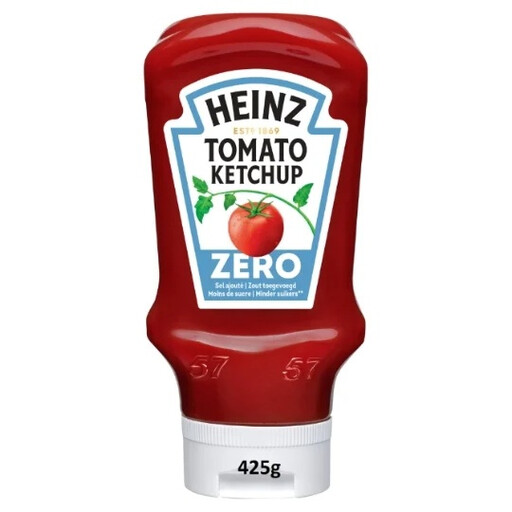
Why this choice fits the profile: A family-size format to accompany burgers, fries, vegetables, and grilled dishes, with a serving cap placed on the bottom.
The squeeze bottle avoids the sometimes risky handling of a glass bottle. However, refrigeration after opening must be respected, and the presence of celery in the ingredient list should be checked.
435 g, approximately 64 kcal per 100 g according to the sheet, with a recipe showing 50% less sugar and salt compared to the brand's reference version.
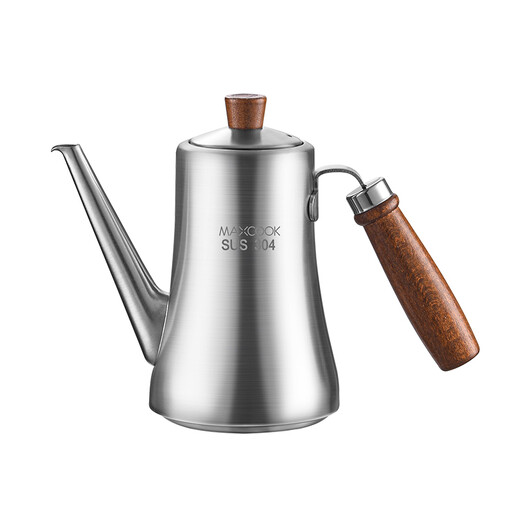
Why this choice fits the profile: A large capacity for households that regularly cook with oil, soy sauce, or sesame oil.
The eagle-beak spout is designed to limit liquid return. The manufacturer recommends hand washing and drying with a cloth, especially due to the wooden handle.
304 stainless steel, non-slip handle, dust cover, and 1,000 ml capacity. The product should not be placed in the microwave.
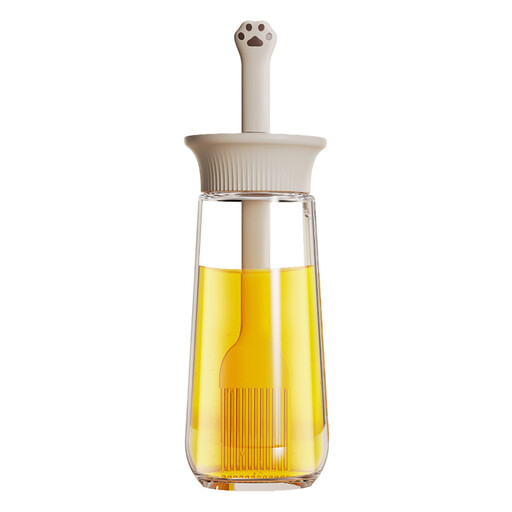
Why this choice fits the profile: A compact format for brushing vegetables, a baking sheet, a marinade, or a pastry preparation.
The brush and cap are integrated and removable. This design simplifies cleaning and avoids having to look for a separate accessory, but each part must be washed after use.
Soda-lime glass, silicone brush, wide opening, and detachable parts. The manufacturer indicates that the bottle can be used with oil, honey, jam, or beaten egg.
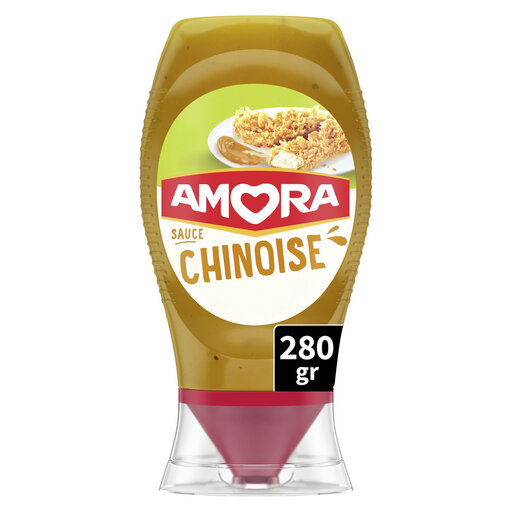
Why this choice fits the profile: A ready-to-serve sauce for nuggets, shrimp, a wok, or spring rolls.
The sheet indicates 30% apricot puree, with no flavor enhancers or colorings. Soy is among the ingredients, and the sauce must be stored in the refrigerator after opening.
280 g, clean cap according to the description, 106 kcal and 1 g of salt per 100 g according to the product sheet.
To complete this selection, you can also compare Maille Dijon mustard, Maille mayonnaises, Heinz mango curry sauce, Dame Besson Creole sauce, Heinz Caesar dressing, and Amora barbecue sauce. Their uses are not the same: mustard is suitable for vinaigrettes and marinades, mayonnaise accompanies sandwiches and salads, while barbecue sauce enhances grilled dishes and can also serve as a glaze.
We have compiled an updated selection of products meeting practical criteria and the information requirements applicable in France and the European Union.
Glass is suitable if you want to monitor the level and clean the container easily. For intensive daily use, 304 stainless steel can be a relevant choice, provided you follow the washing and drying instructions. For cooking oil, choose a capacity adapted to your consumption to avoid too frequent refills.
Check the cap fit, the presence of an anti-return spout, and the stability of the base. After each refill, wipe the spout and do not exceed the stated capacity. Regular cleaning also limits oil buildup around the mechanism.
The duration depends on the recipe. Sauces and mayonnaises generally need to be stored in the refrigerator after opening, but the exact duration is on the packaging. For Amora Chinese sauce, the sheet indicates consumption within eight days of opening. The label of the product received remains the reference to follow.