
Livraison le jour même ou le lendemain

Qualité garantie

Débloquez vos offres de bienvenue: Livraison GRATUITE | Jusqu'à -80 % | 30 jours d'essai gratuits à JoyPlus
Téléchargez l'application
Sometimes, a single spoonful of sauce is all it takes to transform a mundane dish into a memorable experience. Yet, when faced with shelves overflowing with sauces and condiments, making the right choice can be a real puzzle. Between marketing promises and the actual ingredients, it's easy to end up with a disappointing product, doomed to be forgotten at the back of the fridge. This guide is here to bring you clarity and help you pick the hidden gems that will truly awaken your cooking.
Before you fill your basket, keep your eyes peeled to avoid these traps that lead straight to disappointment.
To make an informed choice, focus on a few essential points. They are your guarantee of a quality product that's perfectly suited to your tastes.
The golden rule is simple: the first ingredient on the list is the one present in the largest quantity. For a pesto worthy of the name, olive oil and basil should come first, not sunflower oil or water. Steer clear of endless lists riddled with additives, colourings, or flavour enhancers. A traditional soy sauce, for example, contains only four ingredients, and no more: soybeans, wheat, water, and salt.
Anticipating how you'll use it is crucial.
The packaging has a direct impact on your daily experience.
Here are a few tried-and-true favourites, matched with typical profiles to help you find your perfect fit.
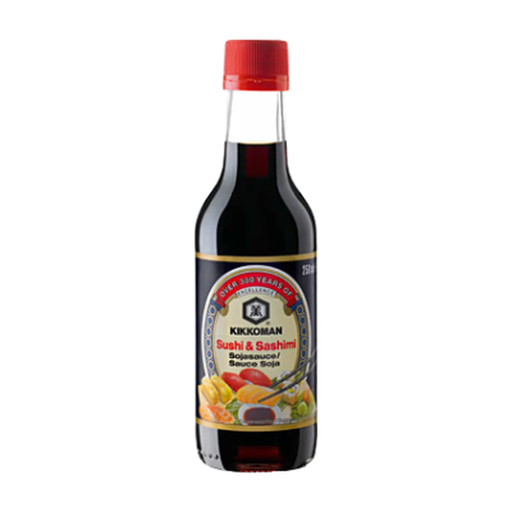
Why we chose it: Ideal for homemade sushi nights. Its flavour, which is milder and less salty than a classic soy sauce, is specially designed not to overpower the delicate taste of raw fish.
This product avoids the pairing mismatch pitfall. By opting for a specialised sauce, you're guaranteed to get the optimal flavour profile for your sushi and sashimi.
A perfect balance of sweetness and umami from a benchmark brand like Kikkoman, designed to enhance seafood.
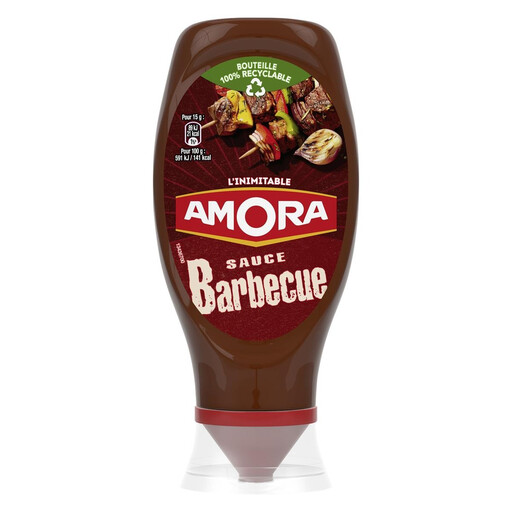
Why we chose it: A timeless classic for barbecues with family or friends. Its smoky, slightly sweet taste is a crowd-pleaser, and its format is designed for hassle-free, on-the-go use.
This product bypasses the issue of impractical packaging. The squeeze bottle allows you to coat meats and serve the sauce cleanly, even in the heat of a bustling barbecue.
A crowd-pleasing barbecue sauce flavour and an ultra-practical squeeze format, all from an iconic French brand like Amora.
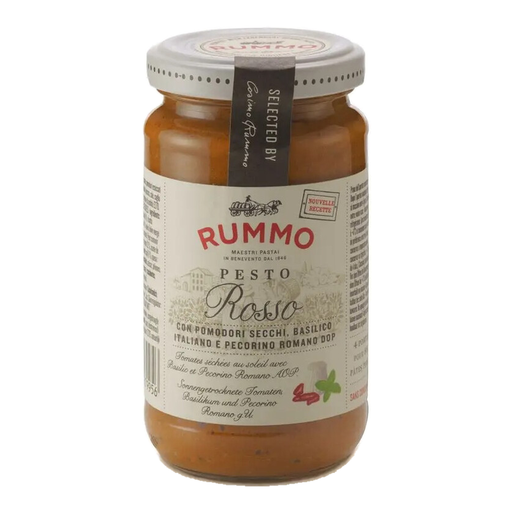
Why we chose it: For those who are short on time but never on taste. This pesto rosso transforms a simple pasta dish into an Italian-inspired feast in just a few minutes.
It avoids the "authentic taste" mirage. Its ingredient list is clear and highlights quality ingredients: sun-dried tomatoes, fresh basil, and PDO Pecorino Romano cheese.
A rich and flavourful ready-to-use recipe that brightens up your pasta dishes, bruschettas, or sandwiches in the blink of an eye.
We have put together a complete selection of products that meet our demanding selection criteria and current regulations.
1. How should I store sauces and condiments after opening? Most store-bought sauces should be kept in the refrigerator after opening. The shelf life varies greatly: a creamy salad dressing or a fresh pesto will last from a few days to a week, while a soy sauce or a vinegar-based spicy sauce will keep for several months. The best practice is to always follow the instructions on the packaging.
2. Can a meat sauce be used as a marinade? Yes, absolutely. A meat sauce is usually thick enough to coat the meat during cooking. To turn it into a grilling marinade, simply thin it out with a little oil, lemon juice, or vinegar so it can better penetrate the meat. Let it marinate for at least 30 minutes before cooking.
3. What is the difference between light and dark soy sauce? Light soy sauce is thinner and saltier. It's used as a primary seasoning, especially for stir-fries or dipping sauces. Dark soy sauce, on the other hand, is aged longer, often with molasses. The result is a darker colour, a thicker texture, and a more complex, less salty taste. It is mainly used to add colour and depth to dishes.