
Livraison le jour même ou le lendemain

Qualité garantie

Débloquez vos offres de bienvenue: Livraison GRATUITE | Jusqu'à -80 % | 30 jours d'essai gratuits à JoyPlus
Téléchargez l'application
Preparing your baby's first meals is a special time, but it can also be a source of many questions for parents. Faced with an overwhelming number of options, choosing the right saucepan for baby food can quickly become a headache. Which material is best for healthy cooking?? What size is truly practical for daily use??
Our mission?: to help you see things more clearly. This guide is designed to provide you with concrete, objective information, free from marketing jargon, so you can make an informed choice.
Before we get to our top picks, let's review the essential criteria to ensure you make the right choice.
The saucepan's material is the number one criterion, especially when it comes to the health of little ones.
A good small saucepan must, above all, be compatible with your kitchen and your habits.
We have selected three models that stand out for their materials, design, and practicality.
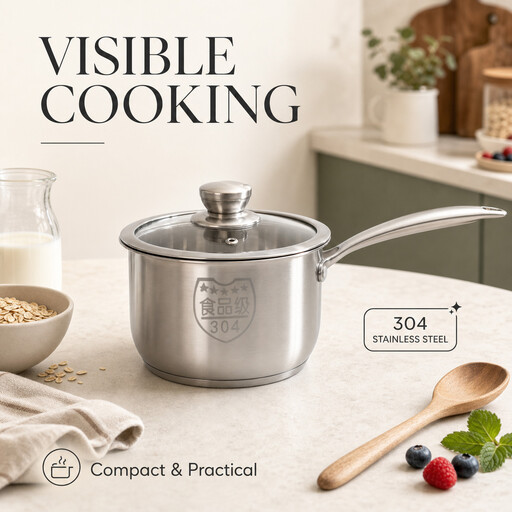
Why it stands out?? This is the ultimate reliable and versatile option. Made from food-grade 304 stainless steel, it features a composite base that ensures even heat distribution—a crucial point for preventing delicate preparations like porridge from sticking. Its high-sided design reduces the risk of boiling over.
Advantages?:
Who is it for?? For parents looking for a robust, versatile, and easy-to-clean small saucepan that will be just as useful for baby's meals as for everyday small cooking tasks (sauces, milk, pasta for one).
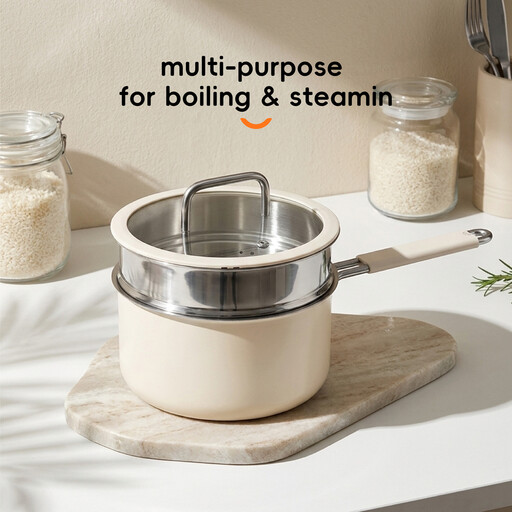
Why it stands out?? This model combines the best of both worlds?: a 316 stainless steel interior for maximum corrosion resistance and a ceramic outer coating that optimises heat distribution. The silicone-coated handle insulates from heat and ensures a comfortable, safe grip.
Advantages?:
Who is it for?? For discerning parents seeking cutting-edge materials (316 stainless steel) and practical features like steam cooking, without compromising on safety (insulated handle).
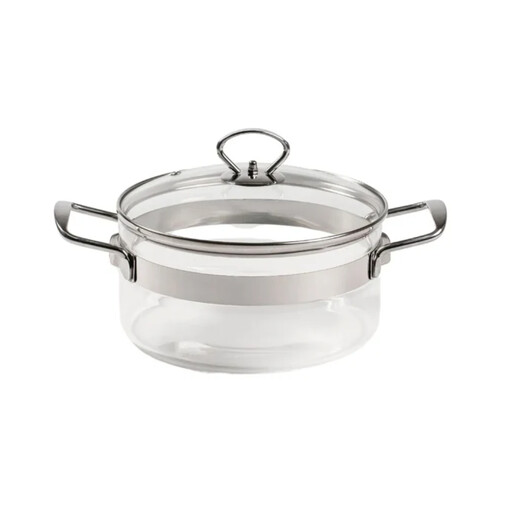
Why it stands out?? This glass pot offers complete visual control over the cooking process. Made from borosilicate glass, a perfectly inert and non-porous material, it is guaranteed PFAS-free and contains no chemical coatings. It preserves the authentic taste of food and ensures impeccable hygiene.
Advantages?:
Who is it for?? For purists who prioritise material neutrality above all else and appreciate keeping an eye on their cooking. It's the top choice for anyone wishing to avoid all contact with metals or coatings.
Our selection highlights three products with distinct profiles. However, the choice of cookware remains highly personal. If you wish to explore other sizes, materials, or designs, feel free to browse our full range.
? Discover our entire collection of saucepans and pots to find the model that's right for you.
1. What is the ideal size for a baby saucepan?? A small saucepan with a 14 to 18?cm diameter (approximately 1 to 1.5 litres) is the perfect size. It's large enough to prepare several portions of purée to freeze, yet compact enough to quickly reheat a single serving or milk without wasting energy.
2. Is stainless steel really a safe material for cooking baby food?? Absolutely. A stainless steel saucepan is one of the safest and most recommended materials. It is stable, durable, and does not leach any substances into food. Food-grade stainless steel (types 304 or 316) is non-reactive and very easy to clean, making it a first-rate choice for feeding little ones.
3. How do I care for a PFAS-free saucepan to make it last as long as possible?? For a PFAS-free saucepan made of stainless steel or glass, care is a breeze. Wash it after each use with hot water, washing-up liquid, and a soft sponge. Avoid metal scouring pads, which could scratch the surface (especially on stainless steel or glass). For stubborn stains on stainless steel, a paste of baking soda and water works wonders. Be sure to dry it thoroughly after washing to prevent water spots.