
Livraison le jour même ou le lendemain

Qualité garantie

Débloquez vos offres de bienvenue: Livraison GRATUITE | Jusqu'à -80 % | 30 jours d'essai gratuits à JoyPlus
Téléchargez l'application
A good saucepan is the cornerstone of any kitchen. Yet, faced with a multitude of available models, buying one can quickly become a headache. Between marketing promises and sometimes vague technical jargon, we too often end up with a utensil that warps, sticks, or gets damaged after just a few months. As a kitchen product expert at Joybuy, my mission is to separate fact from fiction. Let's review the pitfalls to avoid and the criteria that truly matter to help you make the right choice, once and for all.
The market is flooded with products making attractive claims, but some hide flaws that only become apparent with use. Here are the most common ones:
To avoid making a mistake again, focus on three fundamental aspects that will determine your saucepan's performance and longevity.
The choice of material directly impacts cooking and maintenance.
For an induction saucepan, the presence of the coil-shaped pictogram is a first indicator. The magnet test remains the most reliable method: if a magnet sticks firmly to the saucepan's exterior base, compatibility is guaranteed. The base must be thick enough to ensure even heat distribution and prevent any warping.
A good saucepan should be practical for daily use.
To move from theory to practice, here are a few models that meet specific needs while avoiding the classic pitfalls.
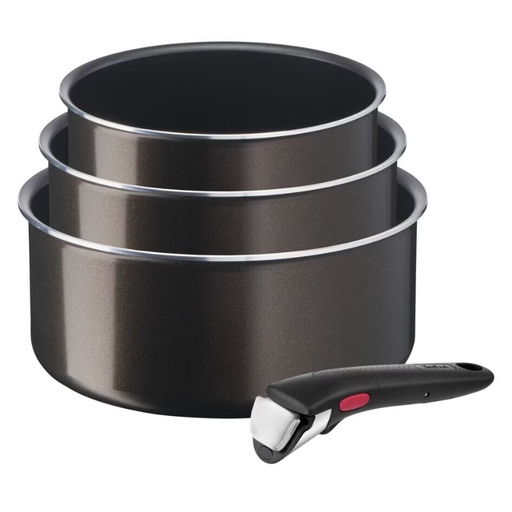
Why this model stands out: The saucepan with a removable handle system is the perfect solution for kitchens where space is at a premium. This set allows you to cook on the hob, finish dishes in the oven, and store leftovers in the fridge with the same utensil, optimising every square inch of your cupboards.
Countering the risk of a fragile handle, this patented system is secure (3-point attachment) and guaranteed for 10 years, ensuring reliable and durable handling.
3-in-1 versatility (hob, oven, fridge) and up to 50% space saving. Titanium-reinforced non-stick coating. Note: Not induction compatible.
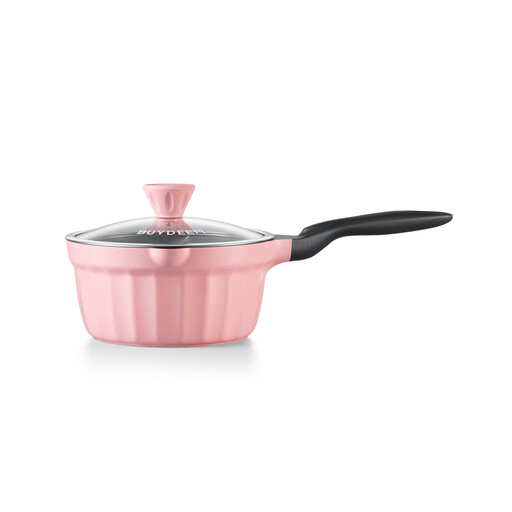
Why this model stands out: For those who cook for their children or are mindful of material composition, this model offers true peace of mind. Its 20 cm (2.5L) size is ideal for daily family meals, from sauces to small soups.
It directly addresses the pitfall of opaque coatings by clearly specifying a Swiss ceramic coating that is PFOA/PFAS-free. The transparency on materials is total.
Healthy coating, fast and even heating thanks to cast aluminium. Compatible with all hobs, including induction. Integrated pouring spout.
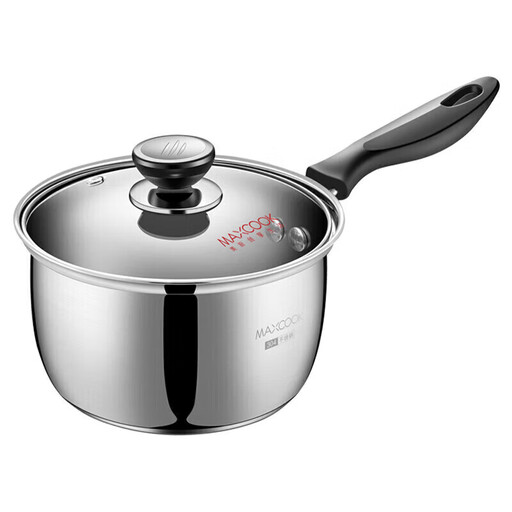
Why this model stands out: For those looking for a long-term investment, this stainless steel saucepan is a very wise choice. 304 stainless steel is renowned for its robustness and food-safe neutrality. It is the quintessential reliable utensil that won't go out of style and will withstand intensive use.
It completely bypasses the pitfall of coatings that get damaged. Solid stainless steel does not peel or scratch easily. The thick encapsulated base prevents warping and ensures consistent performance on induction hobs.
Healthy and extremely durable material (304 stainless steel). Composite base for even heating on all hobs, including induction. Excellent value for money.
Discover our complete selection of saucepans that meet our quality criteria and safety standards.
The lifespan of a non-stick coating primarily depends on its care. On average, with careful use, it can last from 2 to 5 years. To preserve it, follow a few golden rules:
The easiest way is to check for the coil-shaped logo on the packaging or underneath the saucepan. If you no longer have the packaging, do the magnet test: hold a magnet to the outer base of the saucepan. If it sticks firmly, it is induction-compatible. If the adhesion is weak or non-existent, it will not work.
It all depends on your cooking habits. For maximum versatility, a saucepan set combining both materials is often the best solution.