Which criteria should you prioritise?
For one or two people, start with how you plan to serve the sardines. Maturation, labelling and fillet preparation meet different needs; then check the amount of fish and the recipe for the specific product.
| Priority |
What to check |
Who is it for? |
| Enjoying the sardines straight from the tin |
The maturation details or label for the specific product, then whether it’s whole or prepared. |
If the tin is to take centre stage at an aperitif, I want to understand what its preparation and traceability details mean. Around 31% of consumers put this kind of well-documented tasting experience first. |
| Serving without bones |
The “fillets” or “boneless” label, without assuming they describe the same preparation. |
To top toast or a salad without removing the bones, I’m looking for a style that suits how I plan to serve them. Around 25% of consumers would put this convenience first. |
| Amount to serve |
The net drained weight, where stated, and the tin size. |
For a meal for two, I want to know how much sardine will be left once the oil has been drained away. Around 25% of consumers would make serving size their top criterion. |
| Contents and storage |
The ingredients and nutritional information per 100 g, followed by the storage instructions. |
If the ingredients matter most to me, I also check what to do after opening. The contents and this information would be priorities for around 19% of consumers. |
Brands and retailers to compare
These pointers relate to specific products with published details, not entire ranges. Always compare the information for the exact product when choosing a tin.
Connétable
Worth considering if you want whole sardines with preparation or fishing details provided for the specific product.
- Connétable offers a matured sardine aged for 12 months and a Label Rouge product for which the brand provides details including the fishing date and traceability back to the boat.
- These features don’t automatically apply to other Connétable tins; whole sardines also mean being prepared to deal with the bones.
Saupiquet
An option if you prefer fillets for topping toast or putting together a quick meal.
- Saupiquet describes a 100 g tin of fillets in extra virgin olive oil, with olives at 6%.
- This recipe doesn’t represent the entire range. For the product mentioned, the brand advises refrigerating after opening and eating within two days.
Carrefour
Carrefour Classic' and Carrefour Extra products let you compare whole sardines and fillets.
- The Carrefour Extra product page mentioned lists Sardina pilchardus fillets, 19% extra virgin olive oil and salt.
- The ingredients in one product don’t tell you what’s in another, or predict which one you’ll prefer.
Auchan
Compare the options depending on whether you want whole sardines or a version explicitly labelled boneless.
- The product page for the boneless version mentioned lists 70% sardines and 29% extra virgin olive oil.
- Auchan says the ingredients in its whole sardine product can vary depending on the delivery service and purchase date, so check the label on the tin you choose.
E.Leclerc / Pêche Océan
An extra virgin olive oil option to consider if you want to compare the ingredients in tins of whole sardines.
- The Pêche Océan product page mentioned lists sardines, 29% extra virgin olive oil and salt.
- The stated fishing areas may depend on supply. These ingredients aren’t enough to rank the tins by taste.
Sardines to consider on Joybuy
These tins offer several ways to serve sardines to one or two people: a recipe with extra virgin olive oil, fillets and seasoned options. The recipe name doesn’t replace checking the drained weight, level of preparation and instructions on the tin.
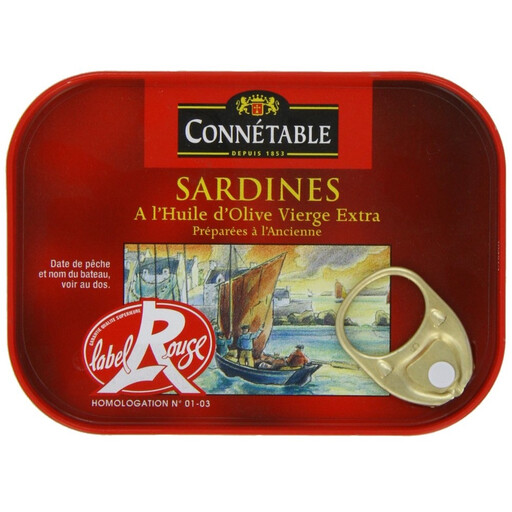 Image unavailable
Connétable Sardines in Extra Virgin Olive Oil, 135 g
Worth considering if you’re looking for a recipe with extra virgin olive oil to serve sardines at the centre of a simple meal.
Check the drained weight on the tin to work out how much fish you’ll be serving.
View on Joybuy
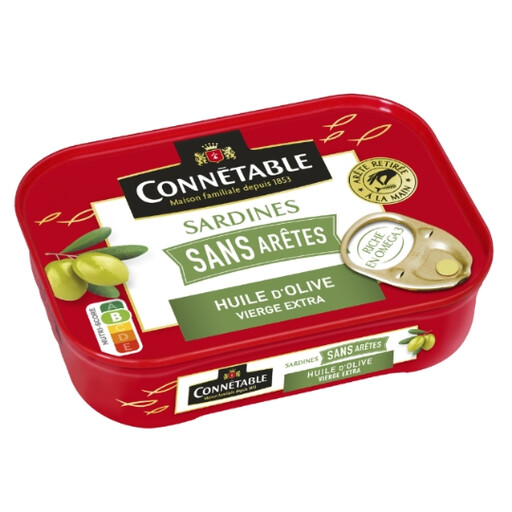 Image unavailable
Connétable Sardines in Extra Virgin Olive Oil, 140 g
This size could be a good option if you’re choosing a tin to share. If bones are a deciding factor for you, check what has been removed from the specific product: the absence of the backbone doesn’t necessarily mean there are no bones at all.
Compare the drained weight with the total weight before planning portions.
View on Joybuy
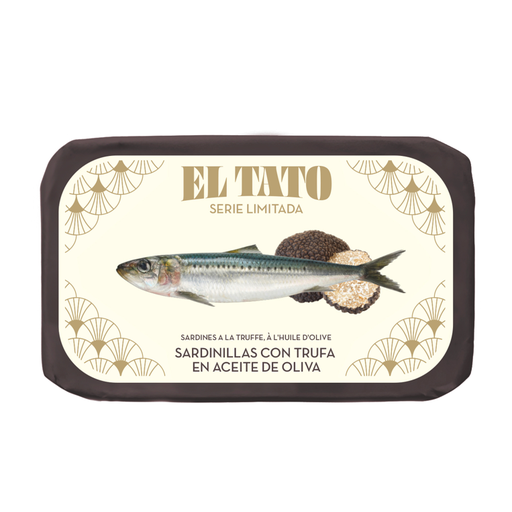 Image unavailable
EL TATO Small Sardines 16/20 in Olive Oil and Truffle, 115/81 g
Consider these for an aperitif if you’d prefer a truffle recipe to unflavoured sardines in oil.
Check the ingredients list and allergen information on the tin if these matter to your choice.
View on Joybuy
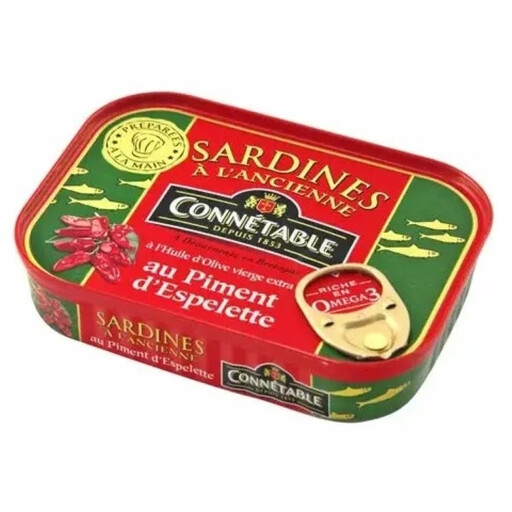 Image unavailable
Connétable Sardines in Olive Oil with Espelette Pepper 1/6, 115 g
This seasoned recipe could work well on toast if you’re looking for a hint of Espelette pepper.
Check the label for other seasonings as well as the drained weight to plan how much to serve.
View on Joybuy
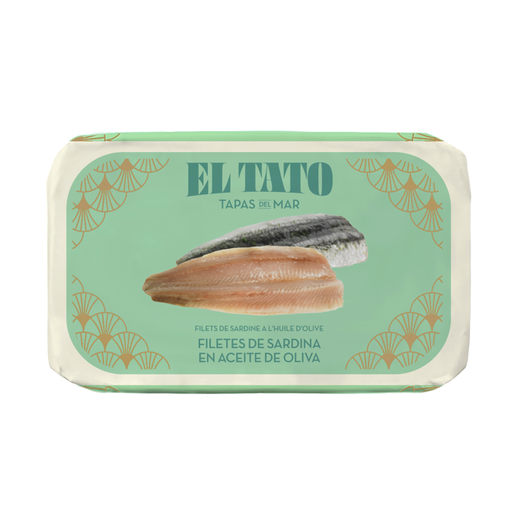 Image unavailable
EL TATO Sardine Fillets in Olive Oil, 115/81 g
The fillet format is worth considering for quickly topping toast or adding to a salad.
Check the label for the type of oil and storage instructions after opening; don’t assume that “fillets” means there are no bones at all.
View on Joybuy
Frequently asked questions
How do you choose sardines for an aperitif for two without relying on the word “premium”?
Look for details specific to the tin you’re considering, then ask yourself whether they suit the way you plan to serve it. Connétable, for example, describes one product matured for 12 months and another carrying the Label Rouge with fishing and traceability details. Neither guarantees that everyone will find the taste they’re looking for.
Whole sardines, fillets or boneless: which should you choose for toast?
Fillets or a product explicitly labelled boneless make serving easier if you don’t want to remove the bones. Whole sardines are still an option if you’re happy with how they’re presented. Either way, compare the recipe and drained weight, as the format doesn’t guarantee the same serving size.
What should you look for on a tin of sardines?
To compare two products, check the ingredients, nutritional information, quantity and storage instructions. The DGCCRF states that allergenic ingredients in prepacked food must be highlighted; also check the fishing details on the tin if they matter to you.
Can you eat tinned sardines after their best-before date?
According to the DGCCRF, going past the minimum durability date, or DDM, isn’t in itself a reason to discard a tin if its packaging is intact. Still, check the tin: don’t eat the contents if it’s swollen, rusty or dented.
How should you store sardines once the tin is open?
Follow the instructions on the product you bought and refrigerate the sardines after opening. The Saupiquet and Auchan products mentioned advise eating them within two days or 48 hours; don’t automatically apply this timeframe to every tin.


