People preparing several lunches
A multipack of sealed tins lets you set one aside for each meal, without having to open a large tin. Packs of three are among the options listed by E.Leclerc and Carrefour.


If you’re preparing several lunches for work, a multipack of tins that you can open one at a time is more practical than opening a large tin for several meals. For a solo lunch with no leftovers, choose a tin containing the right amount of fish for your portion, then check for bones, the recipe and the storage instructions after opening. The number of tins alone doesn’t tell you what’s inside.
A multipack of sealed tins lets you set one aside for each meal, without having to open a large tin. Packs of three are among the options listed by E.Leclerc and Carrefour.
An individual tin makes it easier to choose a portion you can finish at work. If bones are an issue for you, distinguish whole sardines from products explicitly labelled “boneless”.
Depending on what you’re planning to eat, you can compare sardines in spring water, oil or sauce by checking the ingredients, the quantity of fish and the nutritional information for each product.
First decide whether you want to stock up on several sealed tins or finish a single tin at lunchtime. Then check the quantity per tin and the recipe: a multipack and a large opened tin aren’t suited to the same use.
| What to consider | What to check | Who is it for? |
|---|---|---|
| Stock for several meals | Number of sealed tins and quantity per tin. | I prepare my lunches in advance and prefer to take an unopened tin each time. Around 33% of consumers prioritise having a stock of tins. |
| Portion size and bones | Drained weight, if stated; “fillets”, “boneless” or “whole sardines” on the label. | At lunchtime, I want to finish my tin and avoid bones if they bother me. This is the top priority for around 25% of consumers. |
| Recipe and label | Ingredients, highlighted allergens and nutritional information per 100 g for the product you choose. | I choose sardines in spring water, oil or sauce depending on what I’m adding to my meal. Around 25% of consumers prioritise the recipe and label. |
| Quantity of fish | Net weight and drained weight, making sure not to confuse the contents of one tin with those of the multipack. | If I’m considering two formats, I want to know exactly how much fish each contains. Around 17% of consumers put this comparison at the top of their list. |
A multipack lets you open a fresh tin for each lunch; an opened large tin may leave you with a portion to store.
Check the quantity in each tin rather than just the total weight of the pack.
If you don’t finish a tin, you’ll need to keep the leftovers chilled in line with the product instructions.
Three small tins and three larger tins won’t provide the same amount per meal.
Compare the net weight and, where stated on the label, the drained weight of each tin.
Sardines in spring water, oil or tomato sauce won’t necessarily have the same ingredients or nutritional values.
Read the ingredients list and the values per 100 g for the product you plan to take with you.
Storage instructions after opening vary by product. For the products mentioned, Saupiquet and Parmentier advise keeping them in the fridge and eating them within two days.
If you can’t store the leftovers as instructed, choose a tin you can finish with your meal. If you’re transferring a portion, use a container intended for food contact, as recommended by the DGCCRF.
Connétable’s range includes sardines in olive oil and a boneless option in a maxi format.
Saupiquet offers sardine fillets in spring water, as well as recipes made with olive oil.
Carrefour’s range includes sardines in spring water and in extra virgin olive oil.
E.Leclerc lists, among other options, multipacks of three Pêche Océan sardine tins.
Auchan offers fillets in spring water and sardines in oil in a range of formats.
These individual tins let you compare a recipe in spring water with options in oil and a tomato recipe for lunch at work. Check the quantity in each tin before deciding whether you can finish it in one meal.
 Image unavailable
Worth considering for an individual meal if you’re looking for sardines in spring water and want to avoid bones. The tin contains 98 g; if you don’t finish it, refrigerate the leftovers and eat them within two days.
 Image unavailable
An option to consider if you prefer sardine fillets in olive oil for a solo lunch break. The format is listed as 115/81 g. After opening, refrigerate any leftovers in the original packaging with the oil and eat within 24 hours.
 Image unavailable
If you fancy sardines in olive oil for lunch, compare the 135 g tin with the portion you want to eat. Check the drained weight if the quantity of fish is important to you; refrigerate any leftovers and eat them within two days.
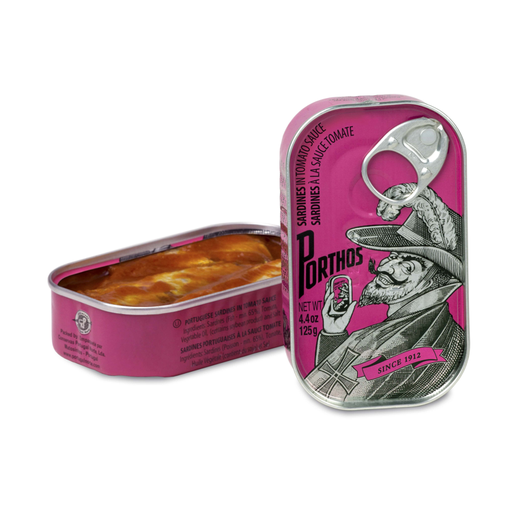 Image unavailable
Worth considering if you’d like a tomato recipe in an individual tin. The format is listed as 112/81 g. If you don’t finish it, transfer the leftovers to a sealed, non-metallic container, refrigerate and eat within three days. Check the packaging for bones if that’s important to you.
 Image unavailable
A recipe with Espelette pepper to compare with milder options, depending on your preferences for this meal. The tin contains 115 g; check the drained weight if you need to know how much fish it contains. After opening, refrigerate any leftovers and eat them within two days.
Yes, if you take an unopened tin for each lunch and the quantity is right for you. Check the weight of each tin: the number of tins alone doesn’t tell you how large your portion will be.
Follow the instructions for the product you’ve bought, as they can vary. The Saupiquet and Parmentier products mentioned should be refrigerated and eaten within two days. If you can’t keep them chilled at work, plan to finish the tin there and then.
Yes, as long as you use a container intended for food contact and follow its instructions. The DGCCRF recommends using containers designed for food storage; also follow the tin’s refrigeration instructions after opening.
Compare the ingredients and nutritional information for the specific product, particularly the values per 100 g. The DGCCRF reminds consumers that allergens must be highlighted in the ingredients list on prepacked foods, so check the list if this affects your choice.