Families keeping an eye on portions
You want to make sure there are enough sardines for everyone and compare the drained weight of each tin before deciding how many to open.


For a family dinner, whole sardines are a good option if your guests are happy to eat fish bones; choose a product clearly labelled “boneless” if bones could spoil the meal. Fillets are another option to consider when adding sardines to a dish. In every case, check the drained weight, ingredients and instructions for after opening to choose an amount that’s right for your meal.
You want to make sure there are enough sardines for everyone and compare the drained weight of each tin before deciding how many to open.
If bones are a concern at the dinner table, look for an explicit “boneless” label rather than relying on the product’s appearance alone.
Whether you’re topping toast or adding sardines to a salad or other dish, choose a format and recipe that suit what you’re planning to make.
First decide whether fish bones are suitable for everyone at the table, then compare the drained quantity with the number of guests and the recipe you have in mind.
| What to consider | What to check | Who is it for? |
|---|---|---|
| Amount per person | Check the net drained weight and work out how many tins to open for the meal. | When several people are sharing the sardines, I want to count the fish we’ll serve rather than the liquid it’s packed in. Around 36% of consumers would put this at the top of their list of priorities. |
| Whether there are bones | Look for an explicit “boneless” label if this is important. | If bones put someone off, I’d rather choose a product that clearly meets their needs. This would be the top priority for around 29% of consumers. |
| Format and recipe | Choose between whole sardines and fillets, then check the recipe ingredients. | If I’m adding sardines to a salad or serving them on toast, I look for a format that works well in the dish I’m making. Around 21% of consumers would prioritise this. |
| Label and leftovers | Check the ingredients, any listed allergens and the instructions for after opening. | If we might not finish a tin, or if certain ingredients need to be avoided, I want to be able to make an informed choice from the label. Around 14% of consumers would put this check first. |
A tin of sardines in oil also contains packing liquid, so its total weight won’t necessarily tell you how much fish you’ll be serving.
Use the net drained weight shown on the packaging to work out how many tins to open.
“Whole”, “fillets” and “boneless” describe different features. The fish’s format alone doesn’t confirm that it has no bones.
If bones are a deciding factor, look for this information clearly stated on the product you choose.
Oils and other ingredients vary between products. For example, the Carrefour Classic’ tin in sunflower oil lists possible traces of crustaceans and molluscs.
Read the label on the tin you buy, paying particular attention to listed allergens and instructions for storing leftovers after opening.
This E.Leclerc own-label brand offers whole sardines in olive oil, including 135 g tins and multipacks.
The range includes sardines in extra virgin olive oil and a product labelled boneless.
The product reviewed is a 135 g tin of sardines in sunflower oil, with a net drained weight of 95 g.
Connétable offers whole boneless sardines, as well as products labelled skinless and boneless.
Saupiquet offers sardine fillets in olive oil that can be served as they are or added to a recipe.
These options include whole sardines, fillets and recipes that can be served as part of a family dinner. If boneless sardines are important to you, check the exact wording on each tin: the product format alone doesn’t guarantee that they’re boneless.
 Image unavailable
Worth considering if you’d like to serve sardines in extra virgin olive oil. If it’s essential that there are no bones, check the wording on the tin.
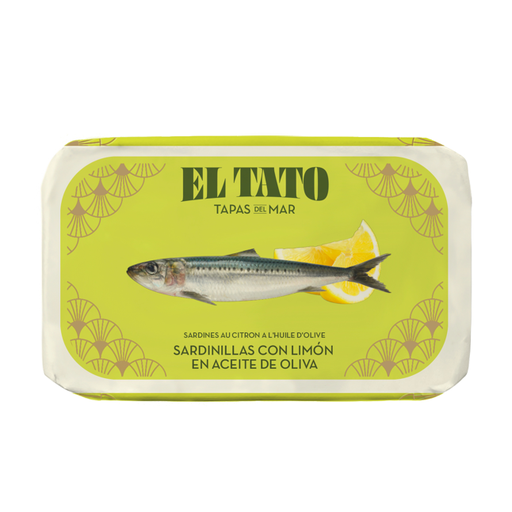 Image unavailable
The lemon recipe could work well in a dish where you want that flavour. The product name gives the format as 115/81 g; check the label to see what each weight refers to and which allergens are listed.
 Image unavailable
Fillets are worth considering if you want to arrange the sardines in a salad or on a plate. Check the label to see what the two weights refer to before working out portions.
 Image unavailable
This option suits a meal where everyone is happy to eat whole sardines. The tin weighs 135 g; use its drained weight to work out how much fish you’ll be serving.
 Image unavailable
This recipe is for guests who’d like a little Espelette pepper in their dish. Check that it suits everyone’s tastes and look at the drained weight when planning portions.
Use the net drained weight of each tin to estimate how much sardine you’ll serve, then choose the number of tins based on how many people are eating and what else is on the menu. The total weight of a tin of sardines in oil also includes the packing liquid.
Choose a product clearly labelled boneless if bones would put some of your guests off eating sardines. Otherwise, whole sardines are still an option; fillets alone don’t confirm that there are no bones.
Follow the instructions for after opening on the tin. The Auchan and Saupiquet products reviewed advise keeping them in the fridge and eating them within two days, but always follow the instructions on the product you’ve actually bought.
Read the ingredients and any listed allergens on the tin you choose rather than assuming that all sardine recipes have the same ingredients. For example, the Carrefour Classic’ sardines in sunflower oil list possible traces of crustaceans and molluscs.