For a simple sardine meal when you’re settling in, choose whole sardines if you’re happy with their appearance and bones. If you want to add them to a meal quickly without dealing with bones, look for fillets or products explicitly labelled boneless. Look for the Label Rouge on the tin if this official quality mark matters to you, but still compare the recipe, drained weight and salt content.
Who are these options for?
For enjoying straight from the tin on bread
If sardines are the main part of your meal, compare whole sardines in olive oil. If you’re looking for an official quality mark, check whether the specific product carries the Label Rouge. INAO lists specifications for certain tinned sardine products, not every tin.
For making a meal without removing any bones
For a quick salad, pasta dish or sandwich filling, look for fillets and products explicitly labelled “boneless”. The presentation varies from tin to tin, so check the one you’re planning to buy.
For stocking your basic cupboard
If you’d like to compare different recipes, start with the ingredients, drained weight and salt content per 100 g. These details help you compare tins without assuming that a brand always uses the same recipe.
What should you look for first?
For your first student cupboard, start with how you plan to use the sardines — to enjoy as they are, to make a boneless meal or for quick cooking — then compare the details on the tin that matter for that use.
| Criteria |
What to check |
Who is it for? |
| Quality mark and eating experience |
The Label Rouge mark on the specific product, followed by its recipe and presentation. |
I want to eat the sardines as they are, so I want to know whether the tin carries an official mark and whether whole sardines suit me. Around 33% of consumers would make this their top priority. |
| Boneless |
The “boneless” label or fillet presentation shown on the packaging. |
If I’m put off by bones, I want a tin I can add straight to my meal. This would be the top priority for around 27% of consumers. |
| Versatile recipe |
The ingredients and flavourings: sardines in olive oil, plain or already seasoned. |
I want to use the same tin in different meals and choose my own seasoning. Around 20% of consumers would prioritise this flexibility. |
| Comparing tins |
Drained weight, ingredients and salt in the nutritional information per 100 g. |
As I’m stocking my first cupboard, I want to understand how much fish each size contains and compare the recipes. Around 20% of consumers would prioritise these details. |
Mistakes to avoid
-
Assuming “premium” means it has a quality mark
Attractive packaging or a recipe made with olive oil doesn’t mean the tin carries the Label Rouge. INAO links this official mark to specific product specifications.
If you’re looking for this mark, check that the product you choose says Label Rouge, then read the recipe details.
-
Comparing tins by their apparent size alone
The weight of the tin doesn’t necessarily tell you how much fish it contains once the liquid has been drained.
Check the drained weight on each label, and compare the ingredients and salt per 100 g too.
-
Choosing whole sardines when you know bones bother you
Whole sardines can be ideal for enjoying on bread, but may not suit you if you want to prepare a meal without handling them.
In that case, look for fillets or a tin explicitly labelled “boneless”.
-
Assuming every tin has the same storage instructions once opened
Storage instructions depend on the product. An Auchan listing for Mouettes d’Arvor sardines in olive oil says to keep them chilled and eat them within two days of opening. This doesn’t apply to every tin of sardines.
Follow the instructions on the tin you open.
Brands to compare
Connétable
The range includes whole sardines in extra virgin olive oil, boneless varieties and products associated with the Label Rouge.
- For one whole-sardine product, Connétable says the sardines are hand-packed in Brittany and lists 24 g of protein, 2.0 g of omega-3 and 0.90 g of salt per 100 g of drained fish.
- These details apply to this product: check the recipe and nutritional values of the variety you choose.
Saupiquet
Its fillets in olive oil and plain fillets let you compare two recipes and choose the seasoning that suits you.
- Saupiquet describes its fillets in olive oil as hand-packed and served with extra virgin olive oil.
- The plain fillets are a different recipe, so don’t assume they have the same ingredients as another product.
Carrefour
Several ranges offer sardines in extra virgin olive oil to compare.
- Carrefour lists a 135 g Classic’ tin; the ingredients for a Reflets de France product include sardines, 19% extra virgin olive oil and salt.
- These details relate to different products, so compare their labels separately.
E.Leclerc / Pêche Océan
Products in extra virgin olive oil are available in individual tins and, in some cases, multipacks.
- An E.Leclerc listing for a 135 g Pêche Océan tin gives sardines, 29% extra virgin olive oil and salt as the ingredients.
- Check the details for the specific product and pack size you choose.
Auchan
The range includes sardines in extra virgin olive oil and a boneless variety.
- An Auchan listing for a 115 g organic product gives its certification as FR-BIO-09.
- The origin of the ingredients and the proportion of oil can vary by product, so check the label on the tin you choose.
Sardines to discover on Joybuy
These tins cover a range of uses for your first cupboard: sardines in olive oil for a simple meal, fillets for quick dishes and flavoured recipes. Check each pack for the details that matter to you, particularly whether the sardines contain bones and what the ingredients are.
 Image unavailable
Connétable Sardines in Extra Virgin Olive Oil 135 g
Worth considering if you’d like to enjoy whole sardines on bread: the Joybuy listing for this product mentions the Label Rouge. Check the mark on the tin you receive, along with its drained weight, when comparing sizes.
View on Joybuy
 Image unavailable
Connétable Sardines in Extra Virgin Olive Oil 140 g
This 140 g size is worth comparing with other sardines in olive oil for a simple meal. If you want to avoid bones, check the exact presentation on the packaging before choosing it for this purpose.
View on Joybuy
 Image unavailable
EL TATO Sardine Fillets in Olive Oil 115/81 g
The fillet format is a good choice if you’d rather add sardines to a salad or sandwich than serve them whole. The title gives the size as 115/81 g; check the packaging to see what these weights refer to and the exact type of oil used.
View on Joybuy
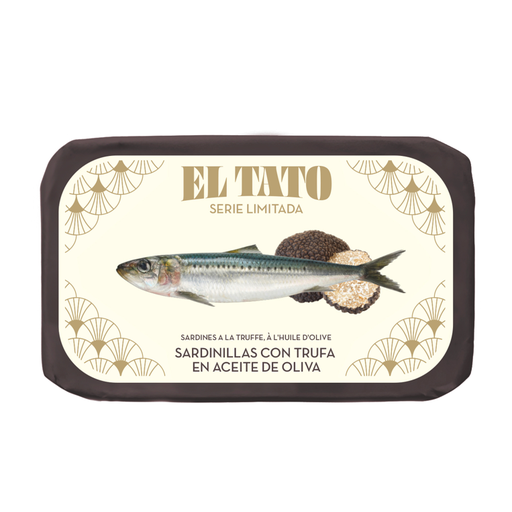 Image unavailable
EL TATO Small Sardines 16/20 in Olive Oil and Truffle 115/81 g
Consider this if you’re after a flavoured recipe to serve as it is, rather than a tin you can season yourself. The title identifies the 16/20 truffle variety in a 115/81 g size; check the ingredients for the exact recipe.
View on Joybuy
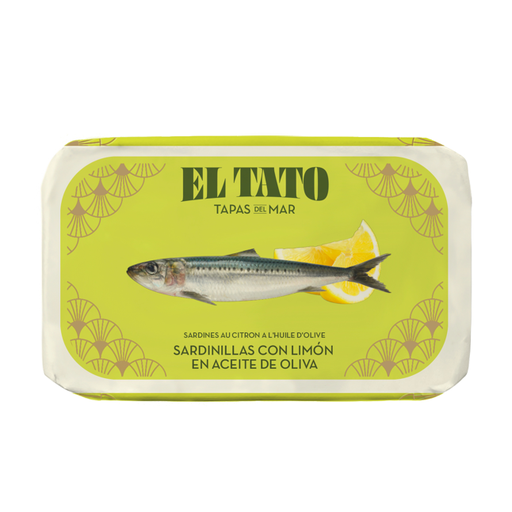 Image unavailable
EL TATO Small Sardines 16/20u in Olive Oil and Lemon 115/81 g
This lemon variety is for anyone looking for a ready-seasoned recipe for a simple meal. The title gives the size as 115/81 g; if the exact type of oil matters to you, check the packaging.
View on Joybuy
Frequently asked questions
Is the Label Rouge enough to help you choose sardines?
No. It’s an official mark of superior quality for the specific product that carries it, but it doesn’t tell you whether you’ll like its recipe or presentation. INAO lists specifications for certain tinned sardine products. You should also check the ingredients, drained weight and salt content of the tin you choose.
For a quick meal, should you choose whole sardines or fillets?
Choose fillets or a product explicitly labelled boneless if you want to avoid handling whole sardines. If you don’t mind their appearance or bones, whole sardines are still a simple option to serve on bread.
Which details on the label should you compare between tins?
Compare the ingredients, drained weight and nutritional information per 100 g, particularly fat and salt. For pre-packed foods in France, the DGCCRF states that allergenic ingredients are highlighted and nutritional information is given per 100 g or 100 ml.
How long can you keep sardines after opening?
Follow the instructions on the tin you’ve bought rather than assuming the same storage time applies to every product. For example, an Auchan listing for Mouettes d’Arvor sardines in olive oil says to keep them chilled after opening and eat them within two days.


