Who are these options for?

Parents who cook in the morning or the night before

Fresh fillets are suitable if you can cook the fish thoroughly, cool the dish and then keep it chilled until lunchtime. Anses recommends cooking fresh fish thoroughly, while the DGCCRF warns that a rise in temperature increases the risk associated with refrigerated food.

Parents who want to put a meal together quickly

Tinned sardines let you skip cooking fresh fillets. To choose between different recipes, check the ingredients and presentation of the exact product, especially if your child needs the sardines to be boneless.

Families managing a food allergy

Fish is an allergen to consider with any sardines. Check for any other relevant allergen information for your child, as well as the arrangements made by their school. The French Ministry of National Education says that an individualised support plan, or PAI, can be put in place for a pupil with a food allergy.

How do fresh and tinned sardines compare?

Fresh fillets to cook

Choose these if: you can cook the fillets and keep the meal chilled until lunchtime.

Bear in mind: they need to be cooked thoroughly and cooled, and you’ll need to keep them chilled in transit.

Tinned sardines

Choose these if: you need something ready to assemble without cooking in the morning.

Bear in mind: ingredients and presentation vary from tin to tin. Once you’ve prepared the meal, you’ll still need to keep it chilled.

Factor What to check Who this matters to
Keeping food chilled For fresh fillets, check the storage instructions and how you’ll keep the cooked dish chilled until lunchtime. If the meal has to stay at school all morning, I want to know where and how it will be kept chilled. Around 36% of consumers would make this their priority.
Bones and presentation Compare fillets with whole sardines and look for an explicit ‘boneless’ claim. Check the herbs and seasonings in the recipe, too. If my child is wary of bones or certain textures, presentation matters more than the recipe. Around 29% of consumers would prioritise boneless fish or whether their child will eat the meal.
Preparation time Decide whether you can cook fresh fillets or would rather use a tin that’s ready to assemble, and check its ingredients. In the morning, I may need to put a meal together without cooking fish. Speed would come first for around 21% of consumers.
Product identification When comparing seafood, check the product name, production method and stated fishing area or country of farming. If I’m comparing several products, I want to identify the fish and see where it comes from, rather than relying on the shop name alone. Around 14% of consumers would put this information first.

Mistakes to avoid

  • Mistaking tinned fillets for fresh fillets

    The word ‘fillets’ can refer to either fish-counter fish or a tinned product. They’re prepared and stored differently.

    Before you choose, check whether the product is fresh or tinned, how it’s prepared and what the storage instructions say.

  • Preparing fresh fillets without a way to keep them chilled

    The DGCCRF says that rising temperatures speed up microbial growth in refrigerated food. Cooking the fillets doesn’t remove the need to keep the meal chilled.

    Before choosing fresh fish, check your transport equipment and what storage options are available at school.

  • Assuming all tins are the same

    Tinned sardines can be whole or sold as fillets. Whether they’re boneless and what ingredients they contain depends on the product.

    Check the tin you’ve chosen for the presentation, oil or seasonings, salt content and declared allergens.

  • Treating an allergy as a food preference

    Sardines contain fish. You can’t tell from the product name alone whether other allergens, including crustaceans, are present.

    If your child has a known allergy, follow their medical advice, check the exact product and discuss meal arrangements with their school, including a PAI if appropriate.

Brands and retailers to know

Carrefour

A retailer where you can compare fresh sardine fillets from the fish counter with tinned fillets.

  • Carrefour’s search results show fresh fillets in a range of pack sizes, as well as tinned options.
  • Check which products your local store stocks and what collection options are available.

Auchan

An option for buying fresh fillets to cook before putting together a lunchbox.

  • Auchan says its fish-counter fillets are prepared to order.
  • Check local availability and plan how you’ll keep the fish chilled after collection.

E.Leclerc / Marque Repère

Two distinct options to compare: the E.Leclerc fish counter and Marque Repère tinned sardines.

  • The Marque Repère range includes sardine fillets in spring water and olive oil.
  • Check which products are available through your drive collection service, and don’t confuse tinned sardines with fresh fish.

Saupiquet

A tinned sardine brand for meals you can put together without cooking fresh fillets.

  • Saupiquet offers sardine fillets in olive oil, among other products.
  • Check the ingredients, salt content and allergen information on the product you choose.

Connétable

A tinned fish brand to consider when you’re not planning to cook in the morning.

  • Some sardine products are labelled boneless.
  • This may not apply to the whole range, so check the exact tin.

Tinned sardines available on Joybuy

These tins are an option if you want to put a meal together without cooking fresh fillets. If you’re preparing a lunchbox in advance, check the storage instructions after opening and make sure you can keep the meal chilled until lunchtime.
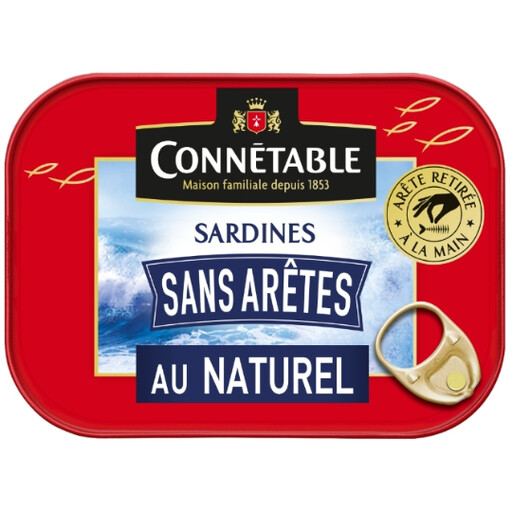
Connétable boneless sardines in water, 98 g

Connétable Boneless Sardines in Water, 98 g

A tin to consider if you want to put a meal together without cooking fish in the morning.

The product name states that these sardines are boneless and packed in water. Check the ingredients and storage instructions on the tin you choose before preparing the lunchbox.

View on Joybuy
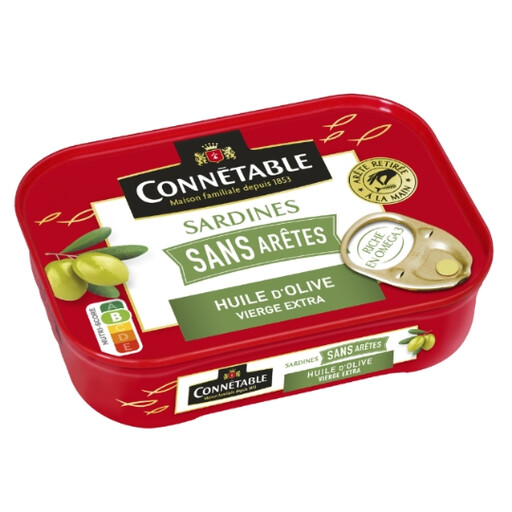
Connétable sardines in extra virgin olive oil, 140 g

Connétable Sardines in Extra Virgin Olive Oil, 140 g

This tin is a no-cook option if you’d prefer sardines in olive oil rather than water.

The Joybuy listing for this product states that it contains sardines, extra virgin olive oil and salt, with the central bone removed. Check the information on the tin and keep your prepared meal chilled until lunchtime.

View on Joybuy
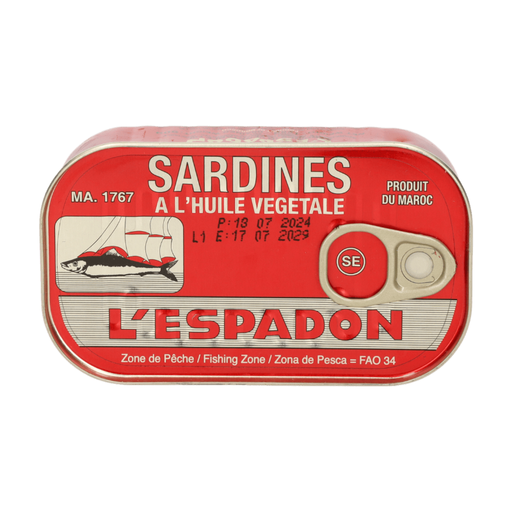
L’Espadon sardines in oil, 125 gr

L’Espadon Sardines in Oil, 125 gr

A tin to consider if you want to put together a cold meal quickly.

The product name states that these sardines are packed in oil and come in a 125 gr tin. If you need them to be boneless, check the tin; also check the allergen information and storage instructions after opening.

View on Joybuy

Frequently asked questions

Can you put raw sardine fillets in a ready-to-eat lunchbox?

No. For this meal, cook fresh fillets thoroughly, as recommended by Anses. Then cool the dish, and only pack it if you can keep it chilled until lunchtime.

Can cooked sardines go in a lunchbox without an ice pack?

Only if you have another way to keep the meal chilled until it’s eaten. The DGCCRF warns that rising temperatures speed up microbial growth. Before preparing this lunch, check what refrigeration options are available at school.

What should you look for when comparing fresh sardine fillets?

Compare the product name, production method and stated fishing area or country of farming. This identification information, outlined by the DGCCRF for seafood, doesn’t replace checking storage and transport conditions.

Can tinned sardines replace fresh fillets in this meal?

Yes, if you want sardines you can assemble into a meal without cooking, rather than a dish made with cooked fresh fillets. Choose the presentation and ingredients shown on the exact tin, then follow its storage instructions after opening.

What should you do if your child is allergic to fish or crustaceans?

If your child has a known fish allergy, don’t prepare sardines unless you’re following their medical advice and the arrangements agreed with their school. In France, the Ministry of National Education says that a PAI can be put in place for a food allergy. For crustaceans and other relevant allergens, check the information on the exact product rather than assuming they’re present based on the word ‘sardines’ alone.