If the sugars shown on the label are your top priority, start by comparing sardines in spring water: Connétable lists 0 g of sugars per 100 g drained for La Sardine Nature, while Saupiquet lists less than 0.2 g per 100 g drained for its plain sardine fillets. For a lunchbox, also check the ingredients, whether there are any bones, the drained weight and the storage instructions after opening. A recipe labelled “no oil” may still contain sugar.
Who are these options for?
Parents comparing the sugars shown on the label
You want to check the “of which sugars” line per 100 g and the ingredients list before choosing. Product information from Connétable, Saupiquet and Auchan shows why it’s important to compare specific products rather than relying on the recipe name alone.
Parents concerned about bones
If bones might put your secondary school pupil off sardines, you can look for fillets or products explicitly labelled “boneless”. Then check the nutritional values for the product you choose, regardless of how it’s presented.
Parents preparing lunch in advance
The drained weight helps you choose a suitable amount for a lunchbox. If you open the tin before lunchtime, follow its storage instructions: the Saupiquet and Auchan product information we checked advises refrigeration and consumption within two days of opening.
Which criteria should you check first?
First compare the sugars and ingredients for the exact product, then choose a style your secondary school pupil will enjoy and a pack size that works for preparing their lunch.
| Criteria |
What to check |
Who is this for? |
| Sugars and ingredients |
Compare the “of which sugars” figure per 100 g and read the ingredients list; “no oil” does not mean “no sugar”. |
If I want to limit the sugars shown on the label in a lunchbox, I compare plain and seasoned recipes without relying on their names. Around 43% of consumers prioritise this criterion. |
| Bones and presentation |
Look for a “boneless” label or “fillets”, then check the sugars and salt separately. |
If bones might put a secondary school pupil off their lunch, the way the sardines are presented comes before other criteria. Around 29% of consumers prioritise this. |
| Portion and storage |
Check the net drained weight and the instructions for after opening; make sure you can transport and store the sardines as required. |
To prepare a portion without leaving a tin open for too long, I need a pack size and a plan that work for lunchtime. Around 28% of consumers prioritise this aspect. |
Points not to confuse
-
Assuming “no oil” means “no sugar”
According to Connétable, its lemon and basil and tomato recipes with no oil both list sugar among their ingredients. However, the first contains 0 g of sugars per 100 g drained, compared with 1.0 g per 100 g for the second.
Read the ingredients list alongside the “of which sugars” line on the tin you choose.
-
Choosing a flavour without checking for bones
A flavour they enjoy won’t necessarily solve the problem of bones. Whole sardines and fillets don’t meet the same needs in this respect.
If bones are a concern, look for clear information about how the sardines are presented, then compare the recipe and nutritional values.
-
Confusing net weight with drained weight
The liquid in the tin is included in the net weight, but not in the drained weight. The products we looked at include drained weights of 70 g for Auchan and 95 g for Carrefour Classic’.
Use the drained weight to work out how many sardines you’ll have for the lunchbox.
-
Overlooking allergens and storage after opening
Sardines contain fish. The DGCCRF states that allergenic ingredients must be clearly highlighted in the ingredients list; storage instructions after opening vary by product.
Check the allergens on the packaging and follow the manufacturer’s refrigeration and consumption instructions if you open the tin before lunchtime.
Brands to compare
The differences that matter are found in each recipe and pack size, rather than in the brand name alone.
Connétable
The brand offers plain sardines, a boneless option, and lemon and basil or tomato recipes with no oil.
- Connétable lists 0 g of sugars per 100 g drained for La Sardine Nature and its lemon and basil recipe with no oil.
- The lemon and basil and tomato recipes mentioned contain sugar in their ingredients; the tomato recipe lists 1.0 g of sugars per 100 g.
Saupiquet
Its plain sardine fillets are worth considering if whole sardines aren’t suitable.
- For this product, Saupiquet lists sardine fillets, water and salt, as well as less than 0.2 g of sugars per 100 g drained.
- These ingredients and this figure apply to the plain fillets, not to the brand’s other recipes.
Auchan
Auchan’s product information lets you compare plain fillets with a lemon and basil recipe made without oil.
- According to Auchan, its plain fillets contain less than 0.5 g of sugars per 100 g and have a net drained weight of 70 g.
- The lemon and basil recipe made without oil also contains less than 0.5 g of sugars per 100 g, but its ingredients list includes sugar.
Carrefour Classic’
The range includes a plain recipe and a lemon and basil recipe to compare, depending on the ingredients and flavour you’re looking for.
- Carrefour lists sardines, water and salt for its Classic’ plain sardines, which have a net drained weight of 95 g.
- The lemon and basil recipe contains sugar; Carrefour lists 0.59 g of added sugars per 100 g for this product.
Marque Repère / Pêche Océan
E.Leclerc’s whole sardines in water offer another recipe to compare.
- E.Leclerc lists sardines, water and salt, 0.5 g of sugars and 0.6 g of salt per 100 g, as well as a net drained weight of 95 g.
- Availability of this product depends on the E.Leclerc store.
Sardines to consider on Joybuy
This selection includes fillets, sardines sold as boneless and recipes in olive oil. To find the right option for a lunchbox, compare the presentation and pack size, then check the sugars, salt and instructions on the exact product packaging.
 Image unavailable
EL TATO sardine fillets in olive oil, 115/81 g
Fillets are worth considering if whole sardines aren’t as suitable for your secondary school pupil.
The pack size is listed as 115/81 g. If you open the tin before lunchtime, follow the instructions to refrigerate and consume within 24 hours; also check whether any small bones may remain.
View on Joybuy
 Image unavailable
Connétable boneless sardines in water, 98 g
A recipe in water to consider if bones are the main barrier to enjoying sardines.
The stated pack size is 98 g. After opening, the instructions are to refrigerate and consume within two days; make sure you can follow them when preparing and transporting the lunchbox.
View on Joybuy
 Image unavailable
Connétable sardines in extra virgin olive oil, 140 g
Consider this recipe if you’re looking for sardines sold as boneless and prefer olive oil to water.
The stated pack size is 140 g. After opening, follow the instructions to refrigerate and consume within two days.
View on Joybuy
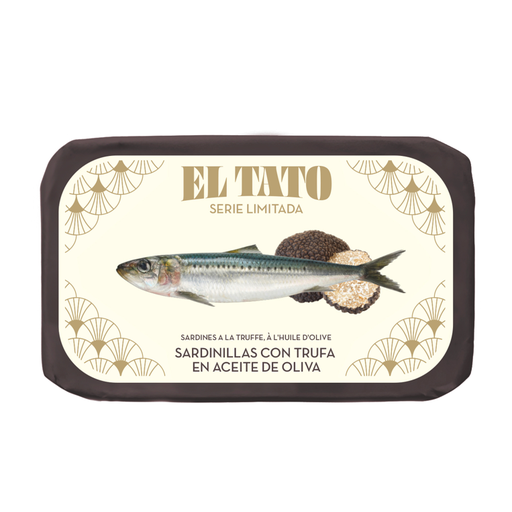 Image unavailable
EL TATO small sardines 16/20 in olive oil and truffle, 115/81 g
This seasoned recipe is worth considering if flavour is an important part of choosing lunch.
The pack size is listed as 115/81 g. If bones are a concern, check the packaging to see whether any are present; after opening, the instructions are to refrigerate and consume within 24 hours.
View on Joybuy
 Image unavailable
Connétable sardines in extra virgin olive oil, 135 g
Compare this pack size with the portion you have in mind if you prefer a recipe in extra virgin olive oil.
The stated quantity is 135 g. Check whether there are any bones if this matters to your secondary school pupil; after opening, follow the instructions to refrigerate and consume within two days.
View on Joybuy
Frequently asked questions
Are sardines labelled “no oil” necessarily sugar-free?
No. Connétable lists sugar in the ingredients for its lemon and basil and tomato recipes made without oil. The first contains 0 g of sugars per 100 g drained and the second 1.0 g per 100 g. Check both the ingredients and the “of which sugars” figure.
What should I compare when choosing sardines with lower sugars shown on the label?
Compare the “of which sugars” figure per 100 g for the specific products, then check their ingredients. Connétable lists 0 g for La Sardine Nature, Saupiquet lists less than 0.2 g for its plain fillets, and Auchan lists less than 0.5 g for its plain fillets. These figures don’t apply to every recipe from those brands.
How can I check for the fish allergen on the tin?
Read the ingredients list on the product you’ve bought: sardines contain fish. For relevant foods in France, the DGCCRF states that allergenic ingredients must be clearly highlighted in this list; also check the packaging for any other allergen information.
Can I open the tin before preparing the lunchbox?
Yes, as long as you follow the storage instructions for that product and can keep the portion chilled when necessary. The Saupiquet and Auchan product information mentioned here advises refrigeration and consumption within two days of opening; check the instructions on your tin before preparing lunch.


