Which criteria should you check first?
First decide how you’ll sell or serve the sardines. Then choose between whole sardines, fillets and products described as having no central bone, based on how you plan to prepare them. Finally, compare the drained quantity you’ll need with the number of portions.
| Criteria |
What to check |
Who it matters to |
| Allergens and storage |
Decide whether the tins will stay unopened or whether you’ll serve a prepared dish. Check the allergens in every ingredient and follow the storage instructions for each product after opening. |
If I’m serving food at school, I want to be able to tell buyers that it contains fish and make sure it’s stored correctly. Around 42% of consumers put these precautions first. |
| Format and tasting |
Compare whole sardines, fillets and products described as having no central bone; check the seasoning of the tin you choose. |
For bites that are easy to portion, I choose a cut that suits the recipe rather than relying on a “premium” label alone. Around 33% of consumers put ease of serving first. |
| Yield |
Compare the drained weight and pack format, then work out the number of portions based on your chosen recipe. |
When I’m preparing a batch of bites, I need to know how much sardine each tin will actually provide. Around 25% of consumers prioritise this yield. |
A slow-matured sardine and a fillet aren’t quite suited to the same purpose. Connétable describes its slow-matured product as aged for 12 months, which is worth considering if the sardine itself is the focus of the tasting. For a topping, the fillet format documented by Saupiquet may make it easier to portion the pieces; the right choice also depends on your recipe and guests.
Sardines available on Joybuy
These tinned sardines come in several formats for a tasting or preparing bite-sized snacks: sardines in olive oil, fillets, sardines described as having no central bone, and seasoned recipes. First decide how you’ll serve them, then check the labels of the products you choose.
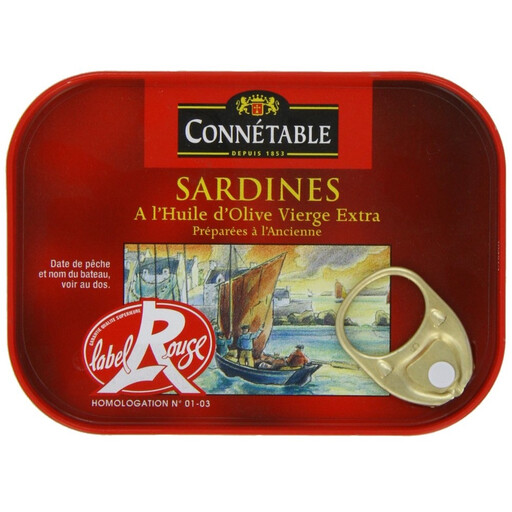 Image unavailable
Connétable Sardines in extra virgin olive oil, 135 g
Worth considering for a tasting where the sardine takes centre stage. This product comes in a 135 g tin; if you’re preparing bite-sized snacks, check the drained weight on the tin and whether the bones are suitable for how you plan to serve it.
View on Joybuy
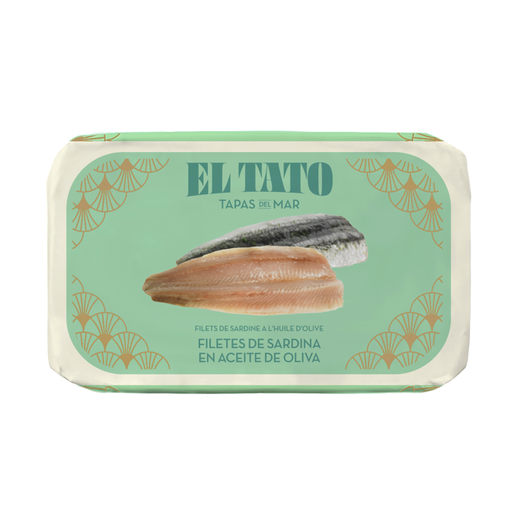 Image unavailable
EL TATO Sardine fillets in olive oil, 115/81 g
The fillet format works well in a topping that you can divide between bites. The product page lists a weight of 115 g and a drained weight of 81 g, and says to consume within 24 hours of opening. Plan your preparation accordingly.
View on Joybuy
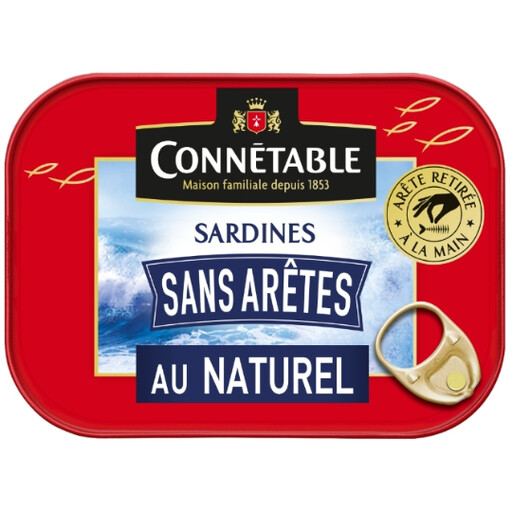 Image unavailable
Connétable Sardines with no central bone in water, 98 g
An option to consider if the central bone would make preparing bite-sized snacks difficult. This 98 g product is packed in water, not olive oil, so check that it suits your recipe. Having no central bone doesn’t change the fact that it contains fish.
View on Joybuy
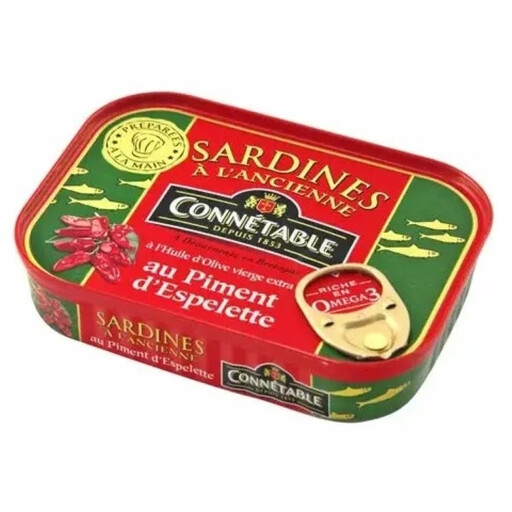 Image unavailable
Connétable Sardines in olive oil with Espelette pepper, 1/6, 115 g
This seasoned recipe may suit a tasting where buyers are told what flavour to expect. The tin is 115 g; try the seasoning in your planned bite and check for bones if that’s important to your guests.
View on Joybuy
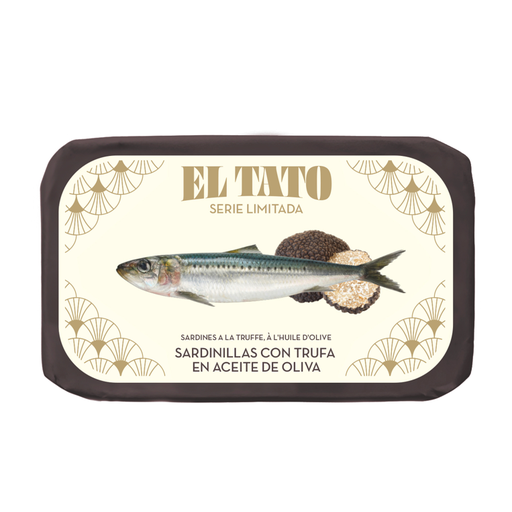 Image unavailable
EL TATO Small sardines 16/20 in olive oil with truffle, 115/81 g
Worth considering for a bite where truffle seasoning is part of the advertised recipe. The product is listed as 115 g, with a drained weight of 81 g. Its product page mentions fish, possible traces of crustaceans and molluscs, and consumption within 24 hours of opening.
View on Joybuy
Frequently asked questions
Can you serve sardines at a school fair?
Sardines may be suitable, provided you agree with the organiser what will be sold or served and how the products will be transported and stored. The French Ministry of National Education covers food safety precautions for school fairs and other school events; its guidance doesn’t replace the instructions that apply to the specific sale.
How should you tell buyers if sardines are in a bite-sized snack?
Clearly state that the food contains fish and check the allergens in all the other ingredients in the snack. In France, the decree of 17 April 2015 sets out requirements for providing allergen information for non-prepacked food; the DGCCRF reminds sellers that allergenic ingredients in prepacked products must be highlighted on the label. Keep the labels for the products you use and confirm with the organiser how to provide the right information for your chosen serving format.
Do you need to mention crustaceans for every tin of sardines?
No. The presence of fish doesn’t, by itself, mean that a tin contains crustaceans. However, check each product: the product page for EL TATO small sardines with truffle mentions possible traces of crustaceans and molluscs. The information you give buyers should reflect the labels of all the ingredients you actually use.
How long can you keep sardines after opening?
Follow the time limit and storage instructions on the tin you’re using, as these vary by product. Saupiquet advises keeping its 70 g organic fillets in the fridge for two days, while the product pages for the two EL TATO products featured here say to consume within 24 hours of opening.
Which format should you choose for preparing several bite-sized snacks?
Choose a cut that suits your recipe, then compare the drained weights to plan your portions. Fillets are easy to divide between portions of a topping, while a whole sardine may suit a tasting where it remains visible. In either case, check the seasoning and whether the bones are suitable.


