For people keeping an eye on sugar figures
You’re looking for a filling for savoury crêpes and want to compare the sugar content listed on the tins, without assuming that this figure tells you anything about the salt content.


When choosing a filling for savoury crêpes, compare the ‘of which sugars’ figure per 100 g and the ingredients, rather than looking only for the words ‘reduced sugar’. Carrefour and Saupiquet list 0 g of sugars for a sardine recipe in spring water and less than 0.2 g per 100 g of drained fillets, respectively. You can then compare the salt, oil and presence of bones to find the best option for your chosen filling.
You’re looking for a filling for savoury crêpes and want to compare the sugar content listed on the tins, without assuming that this figure tells you anything about the salt content.
You check the ‘salt’ line before choosing: a recipe in spring water or without oil won’t necessarily have the lowest figure.
You’d rather check whether the sardines contain bones and skin before buying, then drain and mash them to get the texture you want.
For savoury crêpes, start with the ingredients and nutritional values per 100 g, then choose based on the salt content and how much preparation is needed. Check whether the figures refer to the drained product before comparing two recipes.
| Criteria | What to check | Who is it for? |
|---|---|---|
| Sugars listed | Compare ‘of which sugars’ per 100 g and check the ingredients in the marinade or sauce. | I want to choose my filling based on its listed sugar content, rather than a claim on the front of the pack. Around 50% of consumers would make this their top priority. |
| Salt | Compare the salt figure per 100 g on a like-for-like basis; don’t confuse ‘no oil’ with ‘reduced salt’. | If salt matters more to me than the marinade recipe, I compare the figure on each tin. This would be the main consideration for around 30% of consumers. |
| Preparation | Check whether the pack mentions bones and skin, and whether the sardines contain oil; drain them as needed to get the texture you want. | If I’m making several crêpes and don’t want to spend time removing bones and skin, I choose a product that suits the way I want to prepare it. Around 20% of consumers would put ease of preparation first. |
A low figure on the ‘of which sugars’ line does not, by itself, amount to a claim that the product has reduced sugar. According to the DGCCRF, nutrition claims are regulated in the European Union.
When choosing a tin, check the sugars per 100 g and the ingredients. Don’t assume that a low figure means the packaging claims a reduction.
Saupiquet and Connétable’s product information shows that the listed salt content varies from one recipe to another, regardless of whether oil is present.
Compare the ‘salt’ figure per 100 g directly, and take the drained weight into account where it is specified.
These affect how much you need to do to get a mashed filling. Auchan’s product information for a Connétable sardine recipe in spring water specifies that it is boneless and skinless.
Check these details on the tin you choose, then drain the sardines to get the texture you want.
A product listing can help you check the ingredients, but it doesn’t guarantee that the product will be available when you’re planning your meal.
Check availability when you’re ready to buy, then read the label on the tin you receive before preparing the filling.
These examples refer to specific recipes: the values and features of one tin don’t apply to every product from the same brand or retailer.
Saupiquet’s sardine fillets in spring water contain sardine fillets, water and salt.
The lemon recipes without oil and the reduced-salt organic lemon recipe suit different filling preferences.
Auchan’s listing for a 98 g tin of Connétable sardines in spring water lets you check a product described as boneless and skinless.
These tinned sardines include recipes with water, oil or lemon that can be used as a filling for savoury crêpes. To compare the different options, check the sugars and salt per 100 g on the packaging, then look at the ingredients and how much preparation is needed.
 Image unavailable
Worth considering if you want a filling made with sardines in water and less time spent removing bones. This product is described as boneless; check the label if it’s important to you that it is skinless or contains no remaining bones.
 Image unavailable
Consider this if a recipe with extra virgin olive oil would work in your filling. This 140 g tin isn’t an oil-free option, so check the nutritional information and preparation details on the pack before using it in your crêpes.
 Image unavailable
This 135 g size is for anyone who wants to make crêpes with sardines in extra virgin olive oil. If you plan to mash the filling, check the packaging for details of bones and skin before preparing it.
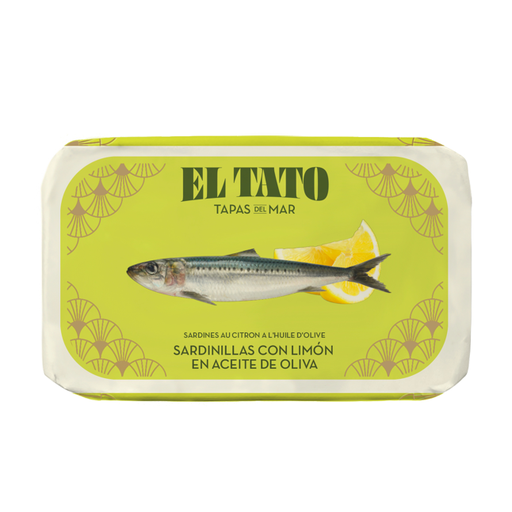 Image unavailable
This recipe could be a good choice if you want the lemon and olive oil already mixed into your filling. The stated size is 115/81g; check the nutritional information and whether the sardines contain bones before making your crêpes.
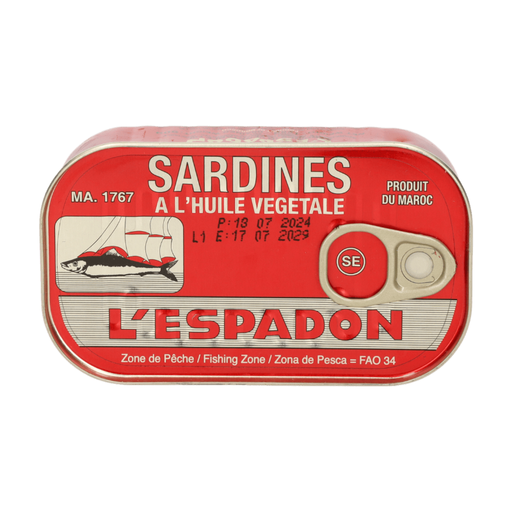 Image unavailable
This 125 g tin is another option if you’re making a filling with sardines in oil. To choose according to your preferred ingredients, check the type of oil on the packaging, along with the sugars, salt and whether the sardines contain bones.
Not automatically: 0 g on the ‘of which sugars’ line doesn’t prove a reduction compared with a reference product. The DGCCRF explains that nutrition claims are regulated. When choosing sardines, compare the values per 100 g and the ingredients without attributing a claim to the tin that it doesn’t make.
Compare ‘of which sugars’ and ‘salt’ per 100 g, then check the ingredients to see whether the recipe is in spring water, in oil or marinated. If you want to mash the sardines, also check the information about bones and skin, as well as the drained weight where it’s listed.
For the boneless, skinless Connétable sardines in spring water described on Auchan’s product listing, the instructions are to keep the opened tin in the fridge and eat the contents within two days. Follow the instructions on the packaging of the product you’ve bought.