If you’re serving whole sardines on toast or as part of a sharing platter, first choose a recipe you like, then check the quality and traceability information on the tin. For rillettes or toast toppings, fillets or sardines with the backbone removed make preparation easier. A ready-seasoned recipe can complement your appetisers, as long as you check the ingredients and make sure the flavours work with the other dishes.
Which options are right for you?
For serving sardines as they are
If the sardines will be on show on toast or a sharing platter, their presentation, recipe and the information on the tin matter particularly. INAO describes the Label Rouge as a mark of superior quality compared with similar products usually available on the market. It doesn’t, however, remove the need to choose a format that suits your guests.
For making rillettes and toast toppings
Fillets or varieties with the bones removed are easier to spread through a mixture. Do check the precise description, though: fillets and whole sardines with the backbone removed won’t look the same when served.
For serving a ready-seasoned recipe
Olives, lemon or chilli shape the flavour before you add any toppings. Read the ingredients for your chosen recipe, and have a milder option available if not all your guests like chilli.
What should you look for before buying?
First decide whether you’ll serve the sardines whole or use them in a recipe. Then compare the ingredients and the amount of fish available to serve, rather than relying on the word “premium” alone.
| What to consider |
What to check |
Who is it for? |
| Quality and traceability |
The Label Rouge logo, if it’s stated for the product you’re buying, and any fishing or traceability details on the tin. |
When I serve whole sardines, I want to be able to check what sets the variety apart, rather than judging it by the packaging alone; around 31% of consumers put this search for clear information first. |
| Ease of preparation |
The word “fillets” or details confirming that the bones have been removed, followed by the drained net weight to help plan toppings. |
For sharing rillettes, I prefer fish that’s easy to mash and spread; this convenience comes first for around 31% of consumers. |
| Flavour pairing |
The ingredients list, particularly olives, lemon, herbs or chilli. |
If the toast already has several toppings, I want to know whether seasoned sardines will work with them; around 23% of consumers prioritise flavour pairing above all. |
| Portions and local availability |
The drained net weight, how many tins you’ll need, and the product details for the one you’ve actually chosen in store. |
When sardines are going on every piece of toast, I need to plan for enough fish and find the right format near me; for around 15% of consumers, this is the priority. |
Mistakes to avoid
-
Confusing the weight of the tin with the amount of sardines
When you’re topping toast, the drained net weight is a more useful guide to the amount of fish than the total weight, which includes the liquid it’s packed in.
Check this information on each product and work out how many tins you’ll need for the occasion.
-
Choosing a seasoned recipe without checking the ingredients
Olives, lemon or chilli can change how well the sardines work with the other ingredients in your appetisers. A spicy recipe won’t necessarily suit every guest.
Check the ingredients list and, if tastes vary, offer an option in olive oil without chilli seasoning as well.
-
Opening the tins too long before serving
Instructions for storage after opening are different from the best-before date for an unopened tin. The Saupiquet and Auchan product details reviewed recommend keeping the sardines in the fridge and eating them within two days of opening.
Follow the instructions on the tin you’re using and put any leftovers in a suitable container in the fridge promptly.
Brands and ranges to know
Connétable
Worth considering for whole sardines to serve as they are, as well as some boneless varieties for spreads.
- Connétable offers a Label Rouge variety and says that its Pêche du Jour range is tinned less than 24 hours after arriving at the port.
- These details apply to specific products. If bones are a concern for your guests, distinguish whole sardines from varieties that have had them removed.
Saupiquet
Fillets to consider when you want to spread sardines over toast or mix them into rillettes.
- For the product reviewed, Saupiquet describes fillets in extra virgin olive oil that are packed by hand.
- This recipe also contains olives, so check the ingredients before planning other toppings.
Carrefour / Reflets de France
A variety in extra virgin olive oil whose product details let you check the ingredients and information about origin.
- For the Reflets de France product reviewed, Carrefour lists Sardina pilchardus, 19% extra virgin olive oil and salt, as well as a stated regional origin in Brittany.
- These details apply to this specific product; check the product information and packaging for the one you choose.
Auchan
A range to explore if you’re comparing whole sardines in extra virgin olive oil with skinless and boneless varieties.
- The whole sardines reviewed have a drained net weight of 95 g, which is useful when planning portions.
- Auchan notes that ingredients and origin may vary depending on the delivery service and date of purchase, so check the details for the product you actually select.
E.Leclerc / Pêche Océan
A range with several formats, including whole sardines, fillets and seasoned recipes.
- The variety of formats makes it easier to look separately for a tin to serve as it is and one to use in cooking.
- Being part of the same range doesn’t, by itself, tell you how each recipe tastes or how the fish was caught.
Sardines for different occasions
These products let you compare whole sardines to serve as they are, fillets for toppings, two seasoned recipes and an option with the backbone removed. Choose according to how you plan to serve them, and check the details on the tin you receive.
 Image unavailable
Connétable Sardines in Extra Virgin Olive Oil 135 g
A recipe to consider if the sardines will be the star of the show. The stated pack size is 135 g. If the Label Rouge or the amount of fish matters to you, check the logo and drained net weight on the tin.
View on Joybuy
 Image unavailable
EL TATO Sardine Fillets in Olive Oil 115/81 g
The fillet format works well for toppings to spread over toast or mix into a dish. The product description gives the size as 115/81 g; check the label to plan portions and follow the instructions for storage after opening.
View on Joybuy
 Image unavailable
Connétable Sardines in Olive Oil with Espelette Pepper 1/6 115 g
This pre-seasoned recipe can be served on toast if it goes well with the rest of your appetisers. The stated pack size is 115 g; check the ingredients before offering it to guests who prefer milder flavours.
View on Joybuy
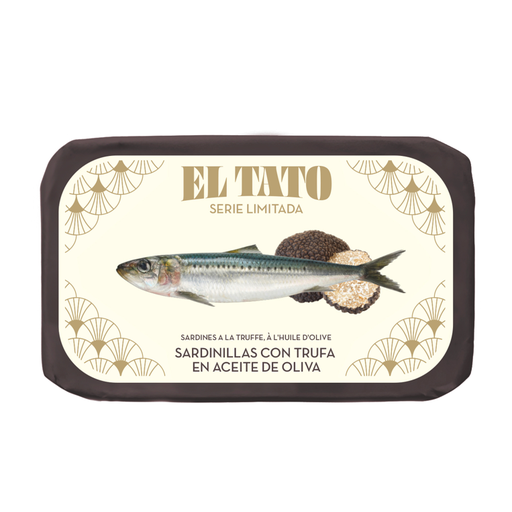 Image unavailable
EL TATO Small Sardines 16/20 in Olive Oil with Truffle 115/81 g
This truffle recipe is for occasions where its distinctive flavour has a place alongside the other dishes. The product description specifies the 16/20 variety and 115/81 g format; check the ingredients and allergen information on the packaging.
View on Joybuy
 Image unavailable
Connétable Sardines in Water, Backbone Removed 98 g
Having the backbone removed can make these sardines easier to use on toast or in a salad. This 98 g variety is packed in water, not olive oil. Removing the backbone doesn’t mean that every small bone has been removed.
View on Joybuy
Frequently asked questions
Is the Label Rouge enough to help you choose sardines to serve whole?
No. It’s a mark of quality, but it doesn’t determine which recipe or format will suit your evening. INAO defines it as a mark of superior quality compared with similar products usually available on the market. Also check the ingredients, bones and drained net weight of the tin you choose.
What should you check on the label before serving sardines to guests?
Start with the ingredients and allergens, then check the quantities shown to help plan how much to serve. The DGCCRF notes that allergenic ingredients must be highlighted on the label. Also check the exact recipe, drained net weight and instructions for storage after opening.
Can you make rillettes with a tin opened in advance?
Yes, as long as you follow the storage instructions for the product you’re using. The Saupiquet and Auchan product details reviewed recommend keeping the sardines in the fridge and eating them within two days of opening. Check your packaging before deciding when to prepare them.
Can you still use a tin of sardines after its best-before date?
The DGCCRF says a best-before date can pass while the packaging remains intact, although the taste may have deteriorated. If the sardines are the centrepiece of your meal, check the condition of the tin, and don’t confuse this date with the instructions that apply after opening.


