Hosts preparing a buffet
You’re planning toast toppings, a salad or several dishes to share, and want to work out how many tins to open, taking drained weight and possible leftovers into account.


For easy-to-prepare toast toppings, choose fillets or a product explicitly labelled ‘boneless’. If you’re serving the sardines as they are, a whole tin may be suitable if your guests don’t mind the bones. Compare the net weight with the drained weight, where shown, to plan quantities. Then check the ingredients: a lemon, olive or chilli recipe may not be the right choice if you want to season the sardines yourself.
You’re planning toast toppings, a salad or several dishes to share, and want to work out how many tins to open, taking drained weight and possible leftovers into account.
You’re looking for fillets or a product labelled ‘boneless’ to make it easier to arrange and enjoy bite-sized portions.
You want to serve a whole tin in olive oil or a flavoured recipe almost as it is. In that case, the ingredients matter just as much as the format.
First decide how you’ll serve the sardines. The amount to share, ease of serving and type of recipe you’re after will then help you choose the right tin.
| What to consider | What to check | Who it matters to |
|---|---|---|
| Buffet quantities | The number of tins, their net weight and, where shown on the packaging, their drained weight. | When I’m preparing several sharing plates, I want to make sure there’s enough fish without opening extra tins unnecessarily. Around 33% of consumers put quantity first. |
| Serving boneless sardines | Whether the specific product is labelled ‘boneless’ or ‘fillets’, as well as its drained weight. | For bite-sized portions, I’d rather spend less time preparing the fish around the central bone. Around 27% of consumers put ease of serving first. |
| Flavour for drinks and nibbles | The type of oil and any added ingredients, such as lemon, olives or chilli. | If I’m serving the sardines almost as they are, I want a recipe that goes well with my toppings. Around 27% of consumers put flavour first. |
| Label and storage | The ingredients, the origin if it matters to you, the fish allergen and storage instructions after opening. | Before serving, I want to know exactly what’s in the tin and what to do with any leftovers. Around 13% of consumers put this check first. |
The contents include oil or sauce too, so the net weight doesn’t necessarily match the amount of fish you’ll serve.
Check the drained weight, where shown, before deciding how many tins to open.
Olives, lemon or other ingredients can change how the sardines taste on toast, especially if you’ve already planned a topping.
Read the ingredients on the tin you’ve chosen. If you want to season the sardines yourself, opt for a recipe without added flavourings.
Storage instructions after opening also apply when there’s only part of a tin left after drinks and nibbles.
Follow the instructions on the label for your product. For one Auchan sardine product whose listing specifies a storage period, the opened tin should be refrigerated and eaten within two days.
‘Fillets’ and ‘boneless’ describe separate features to check. They also don’t guarantee the same drained weight.
If boneless sardines are essential for your toast toppings, look for this wording on the specific product.
A brand worth considering if you’re looking for fillets to serve with drinks and nibbles.
Compare its products to find a simple recipe, a flavoured option or a boneless style.
A retailer where you can check the formats and recipes available in its tinned sardine range.
A retailer where you can compare individual tins and Pêche Océan multipacks to find the right quantities for your buffet.
A retailer to check if you’re choosing between whole sardines and boneless options.
A retailer whose range you can check when you’re planning your shopping.
These tins suit different ways of serving sardines on New Year’s Eve: on toast, as they are or in a flavoured recipe. Compare their formats and labels to find the right option for your planned dish.
 Image unavailable
Worth considering for toast toppings if you want to spend less time preparing the fish around the bones. This product is described as boneless, and its listing gives a drained weight of 98 g. Check the label before serving to guests who want to avoid bones.
 Image unavailable
This recipe is a good fit if you’re looking for a little heat, rather than a base you can season to your own taste. The stated format is 115 g; check the ingredients if you’re planning to add other toppings.
 Image unavailable
An option to consider for serving with bread or potatoes, with your choice of accompaniments. The stated format is 135 g; check the drained weight on the packaging to plan how much fish you’ll need.
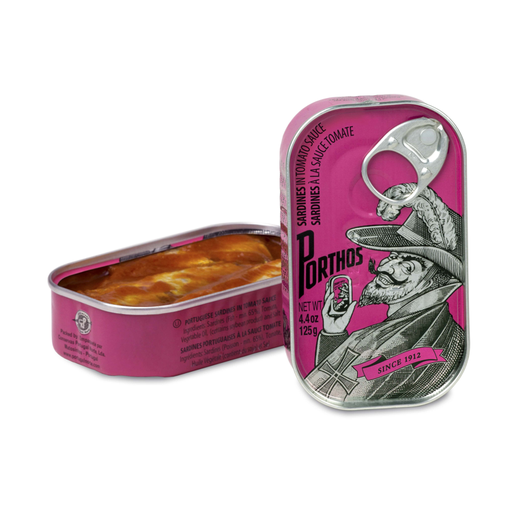 Image unavailable
The tomato recipe could work well on toast or in a salad where you want that flavour. The title gives the weight as 112/81 g; check what each figure refers to before working out portions.
 Image unavailable
The fillet format can make it easier to prepare toast toppings or tapas. The title gives the weight as 115/81 g; check the label to see what each figure means, whether the product is labelled ‘boneless’ and what type of oil it contains.
Choose a product labelled ‘boneless’ if avoiding the central bone is a priority for your toast toppings. Whole sardines are still an option for guests who are happy with them; either way, check the exact tin format.
Start with the number of dishes you’re planning and compare the drained weight of each product, where shown. Net weight includes the oil or sauce too, so two tins with the same net weight won’t necessarily give you the same amount of fish to serve.
Follow the storage instructions on the product’s own label. One Auchan product listing says to refrigerate the sardines and eat them within two days of opening. Don’t automatically apply that timeframe to another tin.
Sardines are fish, so check the label before serving them to anyone with a fish allergy, even if the recipe is plain or the sardines are boneless. Also read the ingredients list for flavoured varieties.