What should you check before buying?
Start with the quantity of fish and the basis used for the nutritional values. Then choose the recipe and pack size that you’ll use. When comparing tinned fish for your cupboard, these four considerations cover different key needs.
| Criteria |
What to check |
Who is it for? |
| Protein you’ll consume |
The amount of protein per 100 g, the basis it’s calculated on and the drained weight of the fish. |
If I’m counting the protein in my meal, I want to know how much protein is in the fish I’ll eat, not just a value per 100 g. Around 36% of consumers put this calculation at the top of their list. |
| Pack size for stocking up |
The number of tins, the weight of each one and the best-before date for the specific pack. |
If I want several meals in the cupboard, I’m looking for a pack I can use before its best-before date. Stocking up is a priority for around 29% of consumers. |
| Recipe ingredients |
The ingredients, along with protein, fat and salt, compared on the same basis. |
When I’ve already planned the rest of my meal, I want to choose between sardines in spring water, oil or sauce with a clear idea of what’s in them. Around 21% of consumers prioritise this choice. |
| Ease of preparation |
Product-specific descriptions, such as ‘boneless’, ‘fillets’ or the sauce used. |
If I often need to prepare a meal quickly, I’d rather know whether the sardines come in a form I can use without any extra preparation. Ease of preparation comes first for around 14% of consumers. |
The basis used for the calculation changes how you should read the figures. Connétable lists 24 g of protein per 100 g of drained fish for its skinless and boneless sardines in olive oil, while its boneless sardines in tomato sauce list 18 g per 100 g of product. These figures refer to different quantities, so on their own they don’t show how much protein you’ll get from a whole tin.
Brands to consider when comparing products
These brands offer examples of recipes and pack sizes to look at. The features mentioned apply to specific products, not to every tin in their ranges.
Saupiquet
Fillets in spring water to compare with oil-based recipes, depending on the ingredients you’re looking for.
- Auchan’s listing for the 100 g fillets in spring water shows 22 g of protein and 0.65 g of salt per 100 g.
- A Carrefour listing for the three-tin multipack in olive oil showed it as unavailable. Check what’s on offer when choosing a multipack.
Connétable
Boneless recipes with nutritional values that should be read according to the preparation and the stated basis.
- Connétable lists 24 g of protein and 12 g of fat per 100 g of drained fish for its skinless and boneless sardines in olive oil.
- Its boneless sardines in tomato sauce list 18 g of protein per 100 g of product. Don’t compare this directly with a value given for drained fish.
Carrefour Classic'
A supermarket own brand to consider if you’re looking for a flavoured recipe in a multipack.
- The Carrefour catalogue featured lemon and basil sardines in a 2 × 140 g pack.
- To see whether this pack suits your needs, check the label for this recipe rather than using the values for a different tin of sardines.
Pêche Océan / Marque Repère E.Leclerc
Multipacks for your cupboard where you’ll need to check the recipe before comparing tins.
- E.Leclerc featured Pêche Océan multipacks of 3 × 135 g in sunflower oil and olive oil.
- To calculate the protein in a portion, check the nutritional information and drained weight on the specific pack you’re considering.
Sardines available on Joybuy
These tins give you a chance to explore different recipes and styles for your meals. If you’re looking to buy several tins at once, check how many units are included in each offer before stocking up.
 Image unavailable
El Tato Small Sardines 16/20u in olive oil, 115/81 g
A recipe in olive oil to consider if you’re looking for smaller sardines.
The title shows 115/81 g without explaining what each weight refers to. Check the drained weight on the label before calculating how much protein you’ll consume.
If you’re buying these for your cupboard, also confirm how many tins are included in the offer.
View on Joybuy
 Image unavailable
EL TATO sardine fillets in olive oil, 115/81 g
The fillet format may appeal to you if you choose sardines based on how you’ll serve them with your meal.
The title doesn’t specify what the two weights refer to. Check which one is the drained weight, as well as the basis used for the nutritional information.
Check how many units are included if you’re looking for a multipack.
View on Joybuy
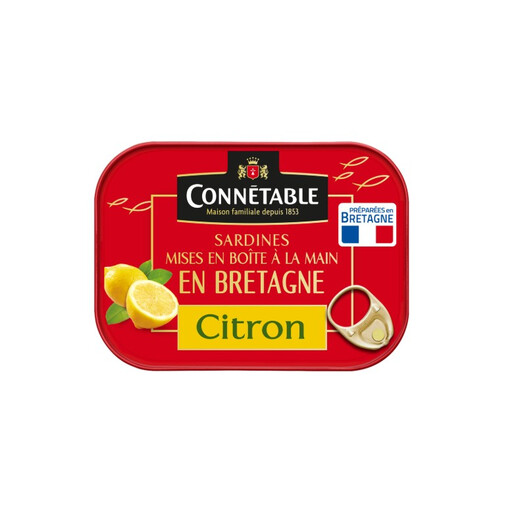 Image unavailable
CONNECTABLE sardines in extra virgin olive oil with lemon, 1/6 tin, 115 g
A lemon recipe to consider if you’re looking for sardines that are already flavoured.
The stated pack size is a 1/6 tin, 115 g. To compare the protein in a portion, check the basis used for the nutritional information and the drained weight for this product.
Confirm how many tins are included in the offer before buying for your cupboard.
View on Joybuy
 Image unavailable
CONNETABLE sardines in olive oil with Espelette pepper, 1/6 tin, 115 g
This seasoned recipe may suit you if you prefer to choose the flavour when you buy your tin.
The title specifies a 1/6 tin, 115 g. Check the drained weight and the basis used for the nutritional values on the label before calculating the protein in your portion.
If you want several tins, check how many units are included in the offer.
View on Joybuy
 Image unavailable
CONNÉTABLE boneless sardines in water, 98 g
This sardine product in water is worth considering if you’re looking for boneless sardines rather than a recipe in oil.
The stated weight is 98 g. Check the drained weight and the basis used for the protein figure separately on the label to calculate the amount in your portion.
Check how many tins are included if you’re planning to stock up.
View on Joybuy
Frequently asked questions
How do you calculate the protein in a tin of sardines?
Use the protein content per 100 g and the amount you eat, making sure both are based on the same quantity. If the value is for drained fish, multiply it by the drained weight of the fish you eat, then divide by 100. If it’s for the whole product, don’t use the weight of the fish alone instead.
Does a multipack of sardines always provide more protein per portion?
No. The number of tins doesn’t determine the protein content of each one. Compare the recipe, the value listed per 100 g and the corresponding weight of the portion you’ll eat.
How long can you keep sardines after opening?
Follow the instructions on the tin you’ve bought, as the stated storage time applies to a specific product. For its Saupiquet fillets in spring water listed at Auchan, Saupiquet advises transferring them to a suitable food container, refrigerating them at 0–4 °C and eating them within 48 hours.
Do you need to eat sardines every day to increase your protein intake?
The protein content of sardines alone isn’t a reason to make them an everyday food. For the general population, Anses recommends an average of two portions of fish a week, including one oily fish such as sardines, and advises varying the species and sources.


