For a short break, choose fillets or a boneless option if you want to top toast or a salad quickly. Whole sardines are a better fit if you like how they look and have time to serve them. Then compare the recipe, drained weight, nutritional information and storage instructions after opening. The word ‘premium’ is no substitute for checking these details.
Who are these formats for?
For a quick break with no bones to remove
If you’re putting together a cold lunch before getting back to work, fillets or boneless sardines are worth considering. Check the exact format: ‘fillets’ and ‘boneless’ don’t necessarily mean the same preparation.
For a simple lunch centred on the enjoyment of the food
A tin of whole sardines can go well with bread or a salad if you like the way they’re presented. Some aged varieties state a specific ageing period. This applies to that particular product, not every sardine from the brand.
For comparing recipes before making a regular purchase
If ingredients guide your choice, check the ingredients, type of oil, salt and nutritional values on each tin. Where this information is shown on the product, the fishing area and place of manufacture answer different questions.
What should you look for?
For lunch when working from home, start with how much time you want to spend preparing your meal and whether you prefer whole or prepared sardines. Then compare the recipes and quantities of products that suit the way you like to eat.
| What to consider |
What to check |
Who it matters to |
| Preparation and bones |
Look for ‘fillets’ or ‘boneless’, then check the drained weight. |
When my break is short, I want to top toast or a salad without removing any bones; around 33% of consumers would prioritise this convenience. |
| Presentation and recipe |
Check whether the sardines are whole, what type of oil is used and whether an ageing period is stated for that particular product. |
If I have time to serve the tin with bread, the recipe and presentation matter more to me; around 20% of consumers would put this desire to savour their food first. |
| Ingredients and provenance |
Read the ingredients, salt content and nutritional values per 100 g; distinguish between the fishing area and place of manufacture. |
For lunches I eat regularly, I prefer to know exactly what’s in the tin and where the sardines come from; around 27% of consumers would put this information at the top of their list. |
| Pack size for the week |
Compare the net weight and drained weight, as well as the storage instructions after opening. |
When I’m planning several lunches, I look for a quantity that’s right for each meal, so I don’t leave a tin open unnecessarily; around 20% of consumers would prioritise pack size. |
Things to bear in mind
-
Relying on the word ‘premium’ alone
A reference to ageing can describe a particular product, but it won’t tell you everything about its ingredients, format or drained weight.
First choose between whole sardines, fillets and a boneless option, then compare the ingredients and details for the tin you’ve selected. For example, Connétable says its Sardines de Garde are aged for 12 months.
-
Confusing where the fish was caught, where it was made and the oil used
These details don’t necessarily refer to the same place. For example, Auchan’s product information for boneless sardines lists the fishing area separately from the country of manufacture.
If provenance matters to you, read each detail on the packaging separately rather than assuming that one ingredient tells you where the whole product comes from.
-
Planning several meals around a tin that’s already open
Storage instructions after opening apply to the specific product. Saupiquet and Auchan product information, for example, says to keep some varieties in the fridge and eat them within two days or 48 hours.
Choose a quantity that suits your meal and follow the instructions on the tin you’ve bought for any leftovers.
Brands to compare
Connétable
The range includes whole sardines in olive oil and a Sardines de Garde variety that Connétable says is aged for 12 months.
- The aged variety contains sardines, extra virgin olive oil and salt.
- The ageing period doesn’t apply to the whole range; also check whether whole sardines are right for you.
Saupiquet
Saupiquet offers olive oil sardine fillets, among other products, for putting together a cold meal.
- One 100 g variety combines extra virgin olive oil and olives.
- The nutritional information for the variety reviewed gives separate values for the product with oil and the drained product. Choose the figures that reflect what you eat.
Auchan
Auchan offers boneless varieties and an olive oil recipe labelled organic.
- The product information for one boneless variety specifies the species, Sardina pilchardus, and fishing area FAO 34.
- Check the provenance, oil and nutritional information for the product you choose: these details can differ from one tin to another.
Pêche Océan
This brand, sold by E.Leclerc, includes a 135 g variety of sardines in olive oil.
- E.Leclerc’s product information lists sardines, 29% extra virgin olive oil and salt.
- Fishing areas may vary depending on the supply; check the tin you’ve bought if this matters to you.
Carrefour Classic'
This 135 g variety in extra virgin olive oil gives you a short-ingredient-list recipe to compare with other pack sizes on the shelf.
- Carrefour’s product information lists sardines, 29% extra virgin olive oil and salt.
- Check the drained weight and details on the tin to compare how much you’ll be serving.
Sardines to consider on Joybuy
These products suit a range of cold lunches, from boneless sardines and fillets in olive oil to recipes to serve with bread or a salad. Choose your preferred format before comparing ingredients and quantities.
 Image unavailable
Connétable, sardines in extra virgin olive oil, 140 g
For a quick lunch, serve these sardines on toast or in a salad; Joybuy’s product information says the backbone has been removed.
The tin weighs 140 g, with a drained weight of 98 g. Compare this with the portion you’d like to serve.
View on Joybuy
 Image unavailable
EL TATO, sardine fillets in olive oil, 115/81 g
Fillets are a good choice if you want to add sardines to a salad or put them on toast without serving them whole.
The product name gives the weight as 115/81 g. After opening, follow the instructions on the tin: the product information for this variety says to eat it within 24 hours.
View on Joybuy
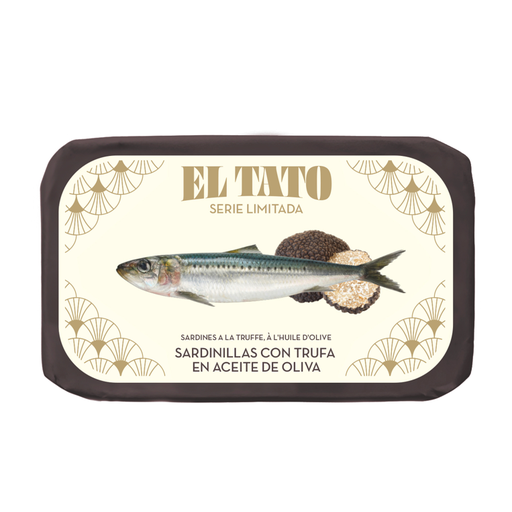 Image unavailable
EL TATO, small sardines 16/20 in olive oil and truffle, 115/81 g
This recipe is for anyone looking to add a different flavour to a cold lunch, perhaps served on toast or in a salad.
The product name specifies the 16/20 size and 115/81 g format. If boneless sardines are essential for you, check the tin before buying.
View on Joybuy
 Image unavailable
Connétable, sardines in extra virgin olive oil, 135 g
Worth considering for a simple lunch with bread or potatoes if you’re looking for a recipe made with extra virgin olive oil.
This tin is listed as 135 g; check the drained weight and whether it contains bones if these details will affect your choice.
View on Joybuy
 Image unavailable
Connétable, boneless sardines in spring water, 98 g
This variety is a handy option if you want to make lunch quickly without removing the backbone.
The tin is marked 98 g. The recipe includes water, lemon and salt, so it’s not a like-for-like alternative to a recipe made with olive oil.
View on Joybuy
Frequently asked questions
What should you look for on a tin of sardines?
Start with the product name, ingredients, highlighted allergens, net quantity and nutritional information. For provenance, the DGCCRF distinguishes details such as the scientific name, production method and fishing area under the rules that apply to seafood, which vary depending on the type of product.
How long can you keep sardines after opening?
Follow the time limit and storage instructions on the tin you’ve bought. Product information for some Saupiquet and Auchan varieties says to keep them in the fridge and eat them within two days or 48 hours; other products may have different instructions.
Which allergen should you check for in tinned sardines?
Sardines contain fish, which is an allergen that should be identified on the label. Check the full ingredients list for the recipe you’ve chosen too, rather than relying on the product name alone.


