What should you compare on the tin?
Start with protein and drained weight, then compare recipes by their declared sugar, fat and salt content, as well as how they’re prepared.
| Criteria | What to check | Who is it for? |
|---|
| Protein per tin |
Protein per 100 g, drained weight and the basis used for the nutritional values. |
I want to know how much protein I’ll get from the fish I actually eat. Around 36% of consumers would put the protein in each tin at the top of their list. |
| Sugars and recipe |
The ‘of which sugars’ line and the ingredients list for the specific recipe. |
If I’m limiting sugars, a seasoned recipe deserves just as much attention as the sardine itself. This would be the top priority for around 29% of consumers. |
| Energy and fat |
Calories and fat per 100 g, particularly for recipes containing oil. |
I want to choose between a natural recipe and one in oil, taking the rest of my meal into account. Around 21% of consumers would make this balance their main criterion. |
| Salt and presentation |
Salt per 100 g and whether the sardines have bones or skin. |
I mainly look at texture or salt content to make these sardines easier to eat. This would be the top priority for around 14% of consumers. |
Sardines for different recipe preferences
These Joybuy products let you choose between sardines in water, recipes in olive oil, and truffle or lemon varieties. To estimate the amount in a tin, check the drained weight and the basis used for the nutritional values on the label.
 Image unavailable
Connétable Boneless Sardines in Water, 98 g
This option in water may suit you if bones are a concern. Don’t assume the 98 g stated in the product name is the drained weight: check the tin before estimating the amount per portion.
View on Joybuy
 Image unavailable
Connétable Sardines in Extra Virgin Olive Oil, 135 g
Choose this recipe if you’d prefer sardines in extra virgin olive oil rather than in water. To compare its nutritional content with another tin, check the nutritional information and drained weight for this variety.
View on Joybuy
 Image unavailable
El Tato Small Sardines 16/20 in Olive Oil, 115/81 g
This variety is for anyone who prefers smaller sardines in olive oil. The name states 16/20 and 115/81 g; check the label to see what the two weights refer to before calculating a drained portion.
View on Joybuy
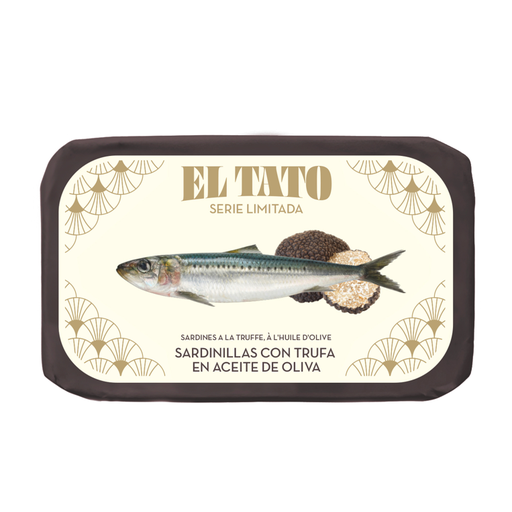 Image unavailable
El Tato Small Sardines 16/20 in Olive Oil and Truffle, 115/81 g
This flavoured recipe may suit you if you’re looking for truffle alongside olive oil. If the ingredients or the amount of fish you’ll eat are important to your choice, check the ingredients list and what the 115/81 g weights mean on the tin.
View on Joybuy
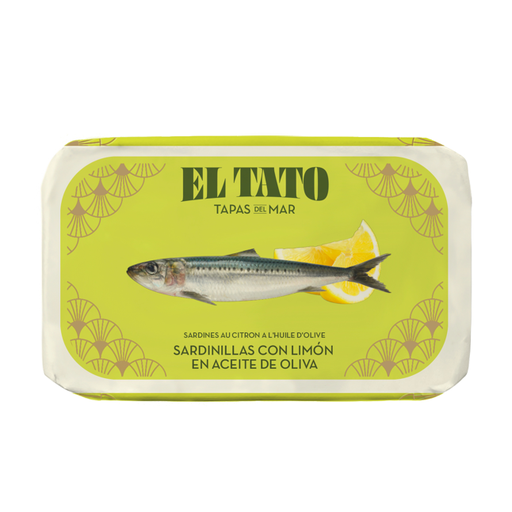 Image unavailable
El Tato Small Sardines 16/20 in Olive Oil and Lemon, 115/81 g
This variety gives you the option of a lemon recipe rather than plain sardines in olive oil. The name states 115/81 g; check the basis used for the nutritional values before applying them to the drained weight.
View on Joybuy
Frequently asked questions
Should you look for ‘reduced sugar’ sardines for a protein-rich meal?
No, this shouldn’t be your first criterion. The natural sardines featured by Connétable, Auchan and Carrefour contain 0 g or less than 0.5 g of sugars and 21–23 g of protein per 100 g. Then compare the drained weight, salt and fat content of the tin you’re considering.
Do sardines in oil always contain more protein?
No: the presence of oil doesn’t tell you how much protein the sardines contain. As two separate examples, Carrefour lists 19 g of protein and 32 g of fat per 100 g for its organic sardines in olive oil, while Auchan lists 23 g of protein and 6.2 g of fat per 100 g for its natural sardines.
How should you store sardines after opening?
Follow the instructions on the tin you’ve bought. For the natural sardines featured here, Auchan advises storing them between 0 and +4 °C after opening and eating them within 48 hours. These instructions shouldn’t be assumed to apply to every recipe.
Does a sugar value of 0 g mean ‘reduced sugar’?
No: a declared value of 0 g doesn’t, on its own, demonstrate a reduction compared with another product. European Regulation 1924/2006 governs nutrition claims on food. When choosing sardines, distinguish the ‘of which sugars’ value from any comparative claim on the packaging.


