What should you look for before buying?
First, decide whether you want to serve the sardines whole or spread them over the bread. Then compare the seasoning and the information on the label of the tin you plan to use.
| Criteria |
What to check |
Who it suits |
| Presentation and traceability |
Check that the sardines are whole and look for fishing information. If the Label Rouge mark is important to your choice, look for it on this specific tin: INAO links the mark to an approved set of specifications. |
For a special meal, I want to serve sardines that are visible on the bread and be able to check their traceability information; around 40% of consumers would make these details their priority. |
| Ease of preparation |
Look for the words “fillets” or “boneless”, and compare the drained weight if it’s listed. |
If I need to flake the topping over several slices of toast, I’d rather avoid handling the bones; around 30% of consumers would put this convenience first. |
| Seasoning and oil |
Read the ingredients list to tell a simple oil recipe apart from one that already contains herbs and spices. |
When my bread has other toppings, I want to decide how much spice to add myself, or choose a tin that’s already well seasoned; around 20% of consumers would prioritise this control over the seasoning. |
| Ingredients and nutritional values |
Check the allergens and compare salt and fat in particular on the same basis, such as per 100 g. |
Before choosing a recipe, I need to read the ingredients and nutritional information; this would be the top priority for around 10% of consumers. |
Sardines for topping bread on Joybuy
These tins suit a range of ways to top bread, whether you’re looking for a recipe in water, in olive oil or already seasoned. If you’re arranging the sardines carefully or making a spreadable topping, check the format shown on each product’s tin.
 Image unavailable
Connétable Boneless Sardines in Water, 98 g
Worth considering for a topping to spread over bread if you’re not looking for a recipe in olive oil.
98 g format, in water. Check the ingredients and information about bones on the tin you receive.
View on Joybuy
 Image unavailable
Connétable Sardines in Extra Virgin Olive Oil, 135 g
Worth a look for toast topped with sardines in extra virgin olive oil.
135 g format. If the Label Rouge mark or fishing information matters to you, confirm that it appears on this specific tin. Also check the format if you want to avoid bones.
View on Joybuy
 Image unavailable
Connétable Sardines in Olive Oil with Espelette Pepper, 1/6, 115 g
Worth considering for toast with a topping that already has a hint of chilli.
1/6 format, 115 g. Take the seasoning into account before adding any more spices, and check the sardine format if you plan to spread them over bread.
View on Joybuy
 Image unavailable
El Tato Small Sardines 16/20u in Olive Oil, 115/81 g
Worth a look if you’d prefer to choose the herbs and spices for your toast yourself.
16/20u variety, 115/81 g format, in olive oil. Check the sardine format on the tin and look for information about any allergens relevant to you.
View on Joybuy
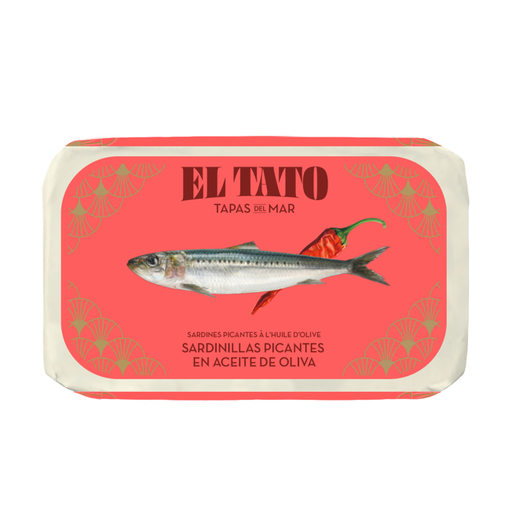 Image unavailable
El Tato Small Sardines 16/20u in Olive Oil and Chilli, 115/81 g
Worth considering if you’d like a well-seasoned topping for crusty bread.
16/20u variety, 115/81 g format, in olive oil and chilli. Check how the seasoning will work with your other toppings, and look at the storage instructions for after opening on the tin you receive.
View on Joybuy
Frequently asked questions
Can you bake tinned sardines on pastry?
Yes. A pissaladière recipe from Lidl Recettes calls for drained sardines to be placed on the pastry before baking for 25 minutes at 220 °C. These instructions apply to that recipe, so adapt the topping and follow the method for the dish you’re making.
Does the Label Rouge mark simply mean “premium”?
No. In France, Label Rouge is an official quality mark linked to a set of specifications approved by INAO and authorised by decree. Check that it appears on the product you buy; it doesn’t apply to every tin from a brand.
Should you choose whole sardines or fillets for toast?
Choose whole sardines if you want them to be visible, and consider fillets or boneless options if you plan to mash or spread the topping. Check the description on the tin, as these formats aren’t interchangeable when it comes to presentation.
What should you check on the label before choosing a tin?
First, check the ingredients list and any allergens relevant to you, then look at the nutritional information if you’re comparing several recipes. The DGCCRF notes that pre-packed food labels include details such as ingredients and a nutrition declaration. Compare values on the same basis, such as per 100 g.


