For people who cook before leaving home
If you have a freezer at home and can cook the fish before setting off, a product that can be cooked from frozen may make your morning routine easier. Do check whether it has skin and bones.


Choose frozen sardine fillets if you can cook them thoroughly before you leave, or have access to suitable cooking equipment. For a no-cook lunch at work, ready-to-eat tinned sardines are more convenient, but they won’t meet your need to keep frozen fillets in the freezer. When comparing frozen options, check whether they need to be defrosted first and whether they contain skin and bones.
If you have a freezer at home and can cook the fish before setting off, a product that can be cooked from frozen may make your morning routine easier. Do check whether it has skin and bones.
If you can defrost the fillets in the fridge, then cook them and prepare your lunch in advance, an option that needs defrosting first may suit your routine.
If you need a meal that doesn’t require cooking on site, tinned sardines are another option. However, they’re not a substitute for frozen fillets if you want to keep them in the freezer.
Choose these if: you can cook the fish before setting off or have suitable equipment to cook it with.
Bear in mind: depending on the product, you may need to defrost the fillets first; the fillets reviewed have skin and bones.
Choose these if: you need a ready-to-eat meal that doesn’t require cooking at work.
Bear in mind: tins aren’t a supply of raw fillets to keep in the freezer.
| What to consider | What to check | Who is it for? |
|---|---|---|
| Morning preparation | The cooking instructions and whether the product needs defrosting first: Picard says its fillets can be cooked from frozen, unlike Maison Thiriet’s. | I want to prepare my lunch before leaving without having to start defrosting the night before. Around 42% of consumers prioritise this quick preparation. |
| Storage and defrosting | The storage instructions on the pack and whether the fillets can be defrosted in the fridge; Maison Thiriet says its product takes 6 to 7 hours. | I can plan ahead, but I need to be able to keep my lunch chilled until lunchtime. This is a priority for around 25% of consumers. |
| Equipment at work | Whether the product is labelled “ready to eat” or “cook before eating”, depending on the equipment you actually have access to. | Without cooking facilities on site, I’m looking first and foremost for something I can eat straight away. Avoiding cooking is the main concern for around 33% of consumers. |
Picard and Maison Thiriet product information warns that their fillets contain bones or aren’t deboned. This is especially important if you eat quickly at work.
Check the packaging for information about bones rather than relying on the word “fillet” alone.
Picard’s product can be cooked from frozen, while Maison Thiriet’s needs to be defrosted first. So the two options won’t fit into your morning routine in the same way.
If you cook in the morning, choose a product whose instructions clearly say it can be cooked from frozen. Otherwise, plan ahead and defrost it in the fridge.
Anses recommends limiting the time frozen and chilled food spends in transit and maintaining the cold chain.
Pick up frozen food at the end of your shopping trip and use an insulated bag. If you prepare lunch in advance, plan how to keep it chilled until lunchtime.
Ready-to-eat tinned fish means you won’t need to cook at work, but it won’t let you store portions of raw frozen fish to cook later.
Choose according to what you need: a no-cook meal, or fillets to keep in the freezer and prepare at home.
Picard offers 500 g packs of frozen sardine fillets for cooking.
Maison Thiriet offers 500 g packs of frozen sardine fillets for meals prepared in advance.
The Saupiquet sardine fillets in natural juices sold by Auchan are a tinned alternative for a no-cook meal.
E.Leclerc lists tinned sardine fillets, including options in natural juices or olive oil.
These tinned sardines are a good fit for a no-cook lunch at work. If you want to cook fillets kept in the freezer, choose a frozen product instead and check its preparation instructions.
 Image unavailable
A tin to consider for a no-cook lunch, rather than for storing frozen fillets. Sardines in water, 98 g pack; if you want to avoid bones altogether, check the information on the tin.
 Image unavailable
Another tinned option for a no-cook lunch at work. 135 g pack in extra virgin olive oil; check the label if bones are a concern.
 Image unavailable
A tin for putting together a no-cook lunch. This variety is in olive oil and comes in a 115/81 g pack; check the label for specific information about bones.
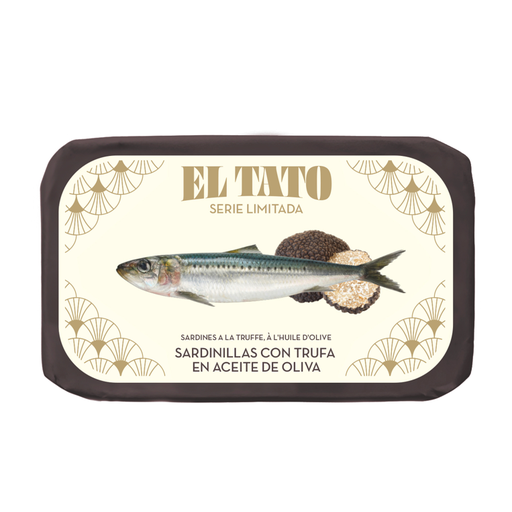 Image unavailable
A tinned variety to consider for a no-cook meal, prepared with olive oil and truffle. 115/81 g pack; check the information about bones if needed.
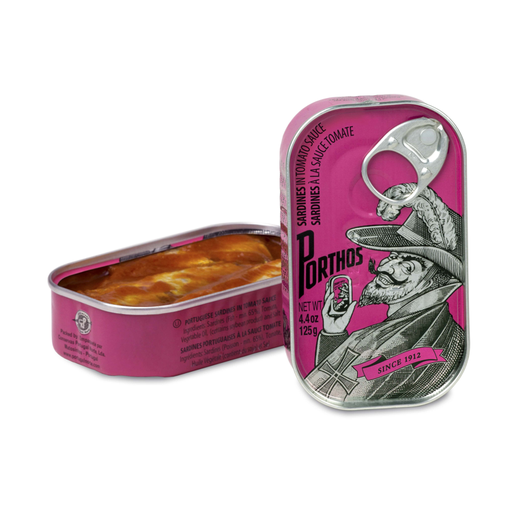 Image unavailable
A tin in tomato sauce for a no-cook lunch, in a 112/81 g pack. If you plan to keep some for later after opening, check the storage instructions for this product and use a suitable container.
Yes, if the product instructions say you can: Picard says its frozen sardine fillets can be cooked from frozen. Cook the fish thoroughly before preparing your packed lunch; don’t use this method for Maison Thiriet fillets, which must be defrosted first.
No, this isn’t the method recommended by Anses. The agency recommends defrosting food in the fridge, among other things; for its fillets, Maison Thiriet says to defrost them in the fridge for 6 to 7 hours before cooking.
Not necessarily: Picard says its fillets aren’t deboned, while Maison Thiriet notes that they naturally contain bones. Check the packaging of the product you choose if you’d rather not have to remove bones during your meal.
Yes, for a no-cook lunch, but not if you want to keep raw fillets in the freezer. The Saupiquet sardine fillets in natural juices sold by Auchan can be eaten as they are; after opening, the product information says to refrigerate them and eat within 48 hours.