Planning ahead for your Easter lunch and want to cook a hot dish? Choose whole frozen sardines if you have space in your freezer and are happy to prepare a whole fish. Fresh fillets are better suited to cooking close to mealtime. For a quick starter, consider tinned fillets or boneless sardines, checking the recipe and drained weight.
Who should choose each type?
For shopping in advance
If you plan to cook the sardines on the day, whole frozen sardines can be kept in the freezer according to the instructions on the packaging. The GELUS product sold by Auchan comes in a 1 kg bag and should be stored at −18 °C. Make sure you have enough freezer space and allow time to prepare a whole fish.
For an easy-to-assemble starter
Tinned sardines that are skinless and boneless, such as Connétable’s sardines in natural juices, keep preparation to a minimum when it’s time to serve. Tinned fillets are also available, but the word “fillets” doesn’t necessarily mean they’re boneless.
For cooking close to lunchtime
Fresh fillets save you from defrosting and doing some of the preparation involved with a whole fish. Carrefour, for example, sells a 200 g tray of sardine fillets. Check the date and storage instructions on the product you buy before planning when to cook it.
What should you look for before buying?
Whole frozen sardines
Choose these: if you’re shopping ahead of the meal and want to cook the fish after storing it in the freezer.
Bear in mind: you’ll need freezer space, time to defrost the fish and time to prepare it whole. Anses advises eating defrosted food promptly and not refreezing it.
Fresh fillets
Choose these: if you’re cooking close to lunchtime and want to avoid preparing whole sardines.
Bear in mind: buy and store them in line with the use-by date and label instructions. They’re not meant to be put in the freezer like a product sold frozen.
Tinned sardines
Choose these: for a quick starter or recipe that doesn’t require defrosting or cooking the fish.
Bear in mind: the recipe may already be seasoned, depending on the product. Check the ingredients and storage instructions once opened.
| Consideration | What to check | Who it matters to |
|---|
| Storing in advance |
Look for the word “frozen”, the stated storage temperature and whether the fish is whole or in fillets. Also check that you have enough freezer space. |
If I shop before Easter, I want to keep the fish until the day I cook it. Around 33% of consumers make this storage need a priority. |
| Quick serving |
Check how the sardines are presented, the recipe and the instructions for storing them after opening. |
For a last-minute starter, I’d rather not have to plan for defrosting. Around 27% of consumers would make quick serving their priority. |
| Bones |
Look for an explicit “boneless” label if needed; don’t assume fillets are boneless. |
If guests would find sardines easier to eat without bones, I look for a product whose label clearly says they’re boneless. Around 20% of consumers would make this their first consideration. |
| Labelling and storage |
For an unprocessed fishery product, check details such as the origin, whether it has been defrosted, the date and the storage conditions. |
Before choosing fresh fillets, I want to know where the fish comes from and how to store it until the meal. Around 20% of consumers would put this check first. |
Mistakes to avoid
-
Treating fresh fillets like a frozen product
Whether the fish is sold chilled, whether it has been defrosted and its storage temperature all affect how you plan your shopping. The Directorate General for Competition Policy, Consumer Affairs and Fraud Control says that, for unprocessed fishery products, any previous defrosting must be disclosed.
Check the product name and storage instructions on the packaging before deciding when to buy and prepare the fish.
-
Assuming whole frozen sardines are fillets
The 1 kg GELUS sardines sold by Auchan are whole. They’re not a substitute for ready-to-cook fillets if avoiding the preparation involved in cutting up a whole fish is important to you.
Check exactly how the fish is presented before buying, and allow time to prepare it if you choose whole sardines.
-
Breaking the cold chain
Frozen food must be kept in the storage conditions stated on the packaging. Anses reminds consumers that defrosted food should be eaten promptly and must not be refrozen.
Pick up frozen food at the end of your shop, carry it in an insulated bag and plan when to defrost it before cooking.
-
Comparing tins by seasoning alone
Sardines in natural juices and sardines in oil don’t contain the same ingredients. Net weight and drained weight also refer to different amounts of product.
When comparing tins, check the ingredients, salt and nutritional information on the same basis, as well as the drained weight if it’s stated.
Brands and ranges to know
GELUS
A range of whole frozen sardines sold by Auchan, for cooking after freezer storage.
- The stated pack size is 1 kg of whole sardines, to be stored at −18 °C.
- Preparing whole fish is different from preparing fillets.
Connétable
Tinned options to consider for a quick-to-assemble starter, including a product in natural juices that’s skinless and boneless.
- This product is explicitly labelled skinless and boneless.
- This tin isn’t a frozen fish product to cook.
Saupiquet
Tinned sardine fillets for recipes where the seasoning is already part of the product.
- The product reviewed combines fillets with extra virgin olive oil and olives.
- For this product, Saupiquet advises storing it in the fridge and eating it within two days of opening.
Auchan
The retailer sells a frozen GELUS product as well as sardines in tins under its own brand.
- These two options suit different meal plans: cooking later or serving quickly.
- For Auchan’s sardines in olive oil, the retailer advises checking the ingredients of the product offered by your chosen online shop.
Pêche Océan / Marque Repère
A range of tinned sardines from E.Leclerc, with several recipes and styles to choose from.
- The range includes sardines in natural juices, sardines in oil and sardine fillets.
- E.Leclerc recommends checking availability with the relevant store.
Tinned sardines on Joybuy
These tins are options for putting together a starter or side dish without cooking frozen sardines. If your priority is to keep fish in the freezer until lunchtime, treat that as a separate consideration when choosing a tin.
 Image unavailable
Connétable Boneless Sardines in Water, 98 g
Worth considering for a starter where a boneless option matters. This 98 g tin in water isn’t a frozen product.
View on Joybuy
 Image unavailable
Connétable Sardines in Extra Virgin Olive Oil, 140 g
For a starter made with sardines in extra virgin olive oil. The stated pack size is 140 g. If bones matter, check the label to see how the sardines are presented.
View on Joybuy
 Image unavailable
EL TATO Sardine Fillets in Olive Oil, 115/81 g
Tinned fillets to consider for putting together a starter without preparing whole sardines. The title states 115/81 g. If you specifically want a boneless option, check the details on the packaging.
View on Joybuy
 Image unavailable
Connétable Sardines in Extra Virgin Olive Oil, 135 g
A 135 g tin for a starter that doesn’t need the fish to be cooked. The product name doesn’t confirm whether the sardines are fillets or boneless, so check the label if that’s what you need.
View on Joybuy
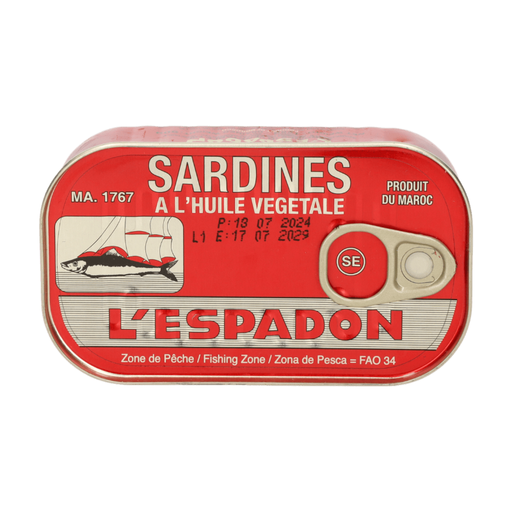 Image unavailable
L’Espadon Sardines in Oil, 125 g
Worth considering for a quick meal using a 125 g tin. Check the type of oil and the information on the packaging, particularly if the ingredients or bones matter to your guests.
View on Joybuy
Frequently asked questions
How can you tell frozen sardines apart from fillets sold in the chilled section?
Check how the product is presented and its storage temperature. Auchan labels its whole GELUS sardines “frozen” and states a storage temperature of −18 °C. For unprocessed fishery products, the Directorate General for Competition Policy, Consumer Affairs and Fraud Control says consumers must also be told if the product has previously been defrosted.
Can you refreeze defrosted sardines?
Anses advises against refreezing food once it has been defrosted. Plan when to defrost the sardines around your meal, eat them promptly and follow the product instructions.
Does “fillets” mean the sardines are boneless?
No. “Fillets” and “boneless” describe different features. If boneless sardines are important for your lunch, look for an explicit statement on the product you choose.
How many sardines should you allow per person for lunch?
It depends first on how the sardines fit into your menu: you won’t need the same amount for a starter on toast as you would for a main course. Manger Bouger gives 100 g as a guide for a portion of fish. When comparing tins, also take the stated drained weight into account.


