For serving sardines as they are
You’re planning toast or a sharing platter and want the tin to take centre stage. Aged sardines or a recipe in olive oil could work, depending on the presentation and seasoning you’re after.


If you’re serving sardines as they are on toast, first choose between aged tinned sardines and a recipe designed for a simple presentation. If you’re making a spread or hosting guests who avoid bones, look for fillets or a product explicitly labelled boneless. In every case, check the recipe and format of the exact tin: “premium” tells you neither what it contains nor the form of the fish.
You’re planning toast or a sharing platter and want the tin to take centre stage. Aged sardines or a recipe in olive oil could work, depending on the presentation and seasoning you’re after.
You’re planning to mash the sardines and serve them on toast. Fillets or a boneless product are worth considering if you want to minimise preparation before sitting down to eat.
You’ll need to consider bones and seasoning. Choosing the form of the fish and checking the ingredients on each tin will help you put together a spread that suits everyone.
First, decide whether you’ll serve the sardines whole or use them in a dish. Then compare tins based on what matters for your dinner.
| Criterion | What to check | Who it matters to |
|---|---|---|
| Serving on toast | Check the exact product name, the oil and any stated ageing period. Connétable says its Sardines de Garde are aged for 12 months; this does not apply to all of its tins. | If I’m serving the sardines without mixing them with other ingredients, I want to choose a tin for its recipe and presentation. Around 42% of consumers might put this way of serving them at the top of their list. |
| Bones and preparation | Look for “fillets” or “boneless” on the specific product; sardines in olive oil are not necessarily boneless. | For a sharing spread, I’d rather not have to deal with bones when serving. This would be a priority for around 33% of consumers. |
| Formats and recipes | Compare whole sardines and fillets, ingredients, net weight and drained weight where shown on the tin. | When I’m planning to serve several tins, I want to know how much fish I’m getting and avoid unintentionally choosing lots of different seasonings. Around 25% of consumers might prioritise this choice of formats and recipes. |
It doesn’t tell you whether the tin contains whole sardines, fillets, a seasoned recipe or aged sardines.
Start with the dish you have in mind, then check the product name, ingredients and format of the tin you’re considering.
Two tins from the same brand can differ in this respect. A recipe in olive oil doesn’t mean the sardines are boneless.
If this matters to your guests, look for an explicit boneless claim on the label.
Whole sardines and fillets suit different ways of serving them; the total weight alone doesn’t tell you how much fish is inside.
Also check the form of the sardines, the ingredients and the drained weight if it’s listed.
Storage instructions change once a tin is open, which matters if you’re not serving all the sardines.
Only open the tins you need and follow the label instructions for storing any leftovers.
Products to compare depending on whether you’re looking for aged sardines, a “catch of the day” recipe or boneless sardines.
Fillets worth considering for toast or a dish where the sardines will be flaked.
A 135 g product in extra virgin olive oil, useful for comparing format and ingredients.
A range to browse if you’re deciding between whole sardines and fillets for a group meal.
A retailer whose product listings help distinguish between certain Connétable products, including “catch of the day” and boneless varieties.
These tins offer a few different ways to prepare dinner: sardines in olive oil for simple serving, fillets to add to toast, or seasoned recipes to suit your guests’ tastes. Check the exact variety before comparing it with aged or boneless sardines.
 Image unavailable
Worth considering if you’re serving sardines in olive oil on toast. A mention that the central bone has been removed doesn’t guarantee that every bone has been taken out, so check the tin if this matters to your guests.
 Image unavailable
A tin to consider for serving sardines simply with bread. If you’re specifically looking for aged sardines, check the product name rather than assuming this is the brand’s Sardines de Garde.
 Image unavailable
Fillets are worth considering if you’re planning to flake the sardines for toast or a spread. The product title gives the format as 115/81 g; check the label if the specific type of oil matters to you.
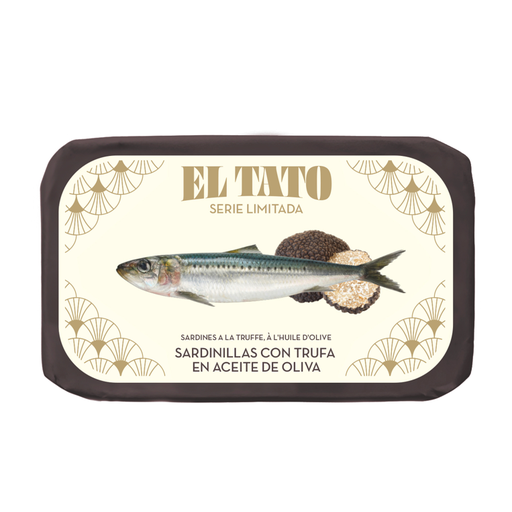 Image unavailable
This truffle recipe is best for a meal where your guests enjoy this kind of seasoning. The title specifies a 16/20 size and an 115/81 g format; check the label for ingredients and allergen information.
 Image unavailable
Worth considering on toast if your guests enjoy a recipe with Espelette pepper. This 1/6, 115 g format has a different seasoning from a tin containing only sardines, oil and salt.
Choose whole sardines if you want to serve them on toast or on a platter; look for fillets or a product explicitly labelled boneless for a spread or guests who avoid bones. Check the product name on the tin, as a brand may offer all these forms.
Start with the product name, ingredients, quantity and storage instructions for the tin you’ve chosen. Also check the nutritional information and drained weight if listed. For allergens, the DGCCRF reminds consumers that they must be highlighted in the ingredients list.
Follow the instructions on the tin and refrigerate any leftovers if the label tells you to. The recommended storage time after opening varies by product, so check it before opening several tins for dinner.
No: the best-before date applies to the tin before it’s opened, while the instructions for after opening explain how to store the product once started. For leftovers, follow the manufacturer’s instructions on the packaging, as recommended by the French Ministry of the Economy.