For an easy-to-serve first tin
If you’re planning to make toast toppings, a salad or a quick meal, and bones put you off, look for “fillets” or “boneless” on the label. Also check the drained weight and what to do with the sardines after opening.


For your first tin, choose fillets or boneless sardines if you’d rather avoid bones; a tin of whole sardines is a good option if you’re happy with that format. Then compare the recipe, drained weight and origin information for the specific product. The word “premium” is no substitute for checking these details.
If you’re planning to make toast toppings, a salad or a quick meal, and bones put you off, look for “fillets” or “boneless” on the label. Also check the drained weight and what to do with the sardines after opening.
If you’re happy with this format, compare the ingredients, type of oil and any preparation or origin information. These details apply to each individual product, not automatically to every tin from a particular brand.
If several tins look similar, check their net and drained weights before choosing an amount that suits your meals. Read the ingredients list to tell a plain recipe from a seasoned one.
Start with the format: it determines whether the tin will be easy for you to enjoy. Then compare the recipe, the amount of fish and the information given for each product to narrow down the options that suit you.
| Criteria | What to check | Who is it for? |
|---|---|---|
| Easy to enjoy | Look for “fillets” or “boneless”, and check the instructions for after opening. | If bones put me off trying sardines, I’d rather have a format that’s easy to serve on toast or in a salad; around 29% of consumers put ease of use first. |
| Amount you can use | Check the net and drained weights, especially when comparing tins of different sizes. | When planning my first meals, I want to know how much fish is actually in each tin; around 36% of consumers prioritise this. |
| Recipe and origin | Check the ingredients, type of oil and origin information for the specific product. | If I choose whole sardines for their recipe, I also want to know where the fish comes from and how it’s prepared; around 21% of consumers put this information first. |
| Organic and ingredients | Check the certification shown for an organic option, or the full ingredients list for a particular recipe. | I’d like to choose based on the organic label first, or check every ingredient before deciding; around 14% of consumers prioritise one of these factors. |
Tins with different net weights don’t necessarily contain amounts of fish in proportion to their size: some of the contents are the liquid the fish is packed in.
Compare the drained weight when choosing a portion or deciding between different sizes.
A recipe that sounds appealing from the label might not be right for your first taste if the whole-fish format isn’t for you.
If this matters more to you than having whole sardines, look specifically for “fillets” or “boneless”.
Products can differ in their ingredients and seasoning. For example, the Saupiquet fillets featured by the brand contain olives.
Read the ingredients list on the tin you choose if you want a plain recipe rather than one with olives or chilli.
The amount you choose matters if you don’t plan to finish the tin in one meal. Saupiquet says its fillets in olive oil should be kept in the fridge and eaten within two days of opening.
Follow the instructions on your tin and choose a portion that suits the meals you have planned.
Worth considering if you’re choosing between whole sardines in extra virgin olive oil and a boneless option.
Worth a look if you prefer fillets to whole sardines, especially for serving on toast or in a salad.
A supermarket own-brand option to consider if you’re looking for sardines in extra virgin olive oil in a 135 g tin.
Another supermarket own-brand option to compare: a 135 g tin of sardines in extra virgin olive oil.
Worth a look if you want to compare a classic recipe, an organic extra virgin olive oil option and a boneless variety.
These options let you choose between fillets, boneless sardines, sardines in olive oil and two seasoned recipes. For your first shop, start with the format you’d like to eat, then check the ingredients of the option you choose.
 Image unavailable
This fillet format is a good choice if you’d rather not serve whole sardines for your first tin.
The title gives a net weight of 115 g and a drained weight of 81 g. Check the label for the exact type of oil if that affects your choice.
 Image unavailable
This option is for anyone who wants to avoid bones and prefers sardines packed in water.
The tin has a net weight of 98 g; don’t confuse it with a recipe in olive oil.
 Image unavailable
This tin is a good match if you’re looking for sardines in extra virgin olive oil rather than a recipe in water or with added seasoning.
The stated net weight is 135 g. If bones put you off, check how the sardines are presented on the packaging before choosing this product.
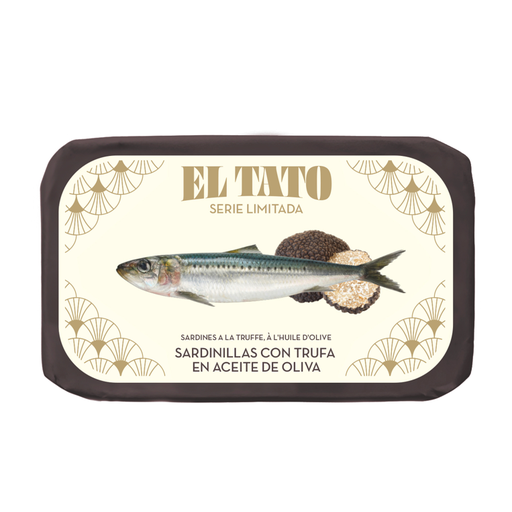 Image unavailable
Choose this option if you’re specifically looking for a truffle-seasoned recipe rather than plain sardines.
The title gives a net weight of 115 g and a drained weight of 81 g. Check the ingredients list and exact type of oil on the label.
 Image unavailable
Choose this seasoned recipe if you’d like sardines with Espelette pepper rather than a plain option.
The stated format is 1/6 and the weight is 115 g. The Joybuy listing also mentions red pepper and tomato purée in the ingredients.
First, check whether the tin contains whole sardines, fillets or a boneless option. Then look at the drained weight, ingredients and storage instructions to choose a recipe and portion that suit your meals.
Not necessarily. Choose them if bones put you off, but a tin of whole sardines is fine if you’re happy with that format. You should still compare the recipe and quantity of the specific products you’re considering.
Follow the instructions on the tin you’ve bought. For its fillets in olive oil, Saupiquet says to keep them in the fridge and eat them within two days of opening. The French Ministry of the Economy recommends following the manufacturer’s instructions on the packaging.
No. The label alone doesn’t tell you what’s in the tin or where it comes from. Compare the type of oil, ingredients list and information about where the fish was caught or how it was prepared for each product. Don’t assume the same details apply to other products from the brand.