Hosts preparing pre-dinner toast bites
An aged tin can be enjoyed simply, while fillets make it easier to assemble canapés. Your choice will depend in part on how prominently you want the sardines to feature and how much time you have to serve them.


For sardines you can serve almost as they are on toast, choose an aged tin if its maturation and recipe suit what you’re looking for; also check whether the sardines are whole. If quick, easy serving or avoiding bones is your priority, look for an explicit ‘boneless’ label: the word ‘fillets’ alone isn’t enough to guarantee this.
An aged tin can be enjoyed simply, while fillets make it easier to assemble canapés. Your choice will depend in part on how prominently you want the sardines to feature and how much time you have to serve them.
To make canapés without having to remove bones as you serve, look for a product explicitly labelled ‘boneless’.
The ingredients list, oil, drained weight and details about fishing or production help you compare specific tins, rather than relying on the word ‘premium’ alone.
When choosing sardines to serve at a festive dinner, start with your main priority: simple serving, boneless portions, a particular recipe or the quantity you’ll need for your canapés.
| Criterion | What to check | Who is it for? |
|---|---|---|
| Simple serving | Whether the product is described as aged and, if stated, the maturation period; the recipe and whether the sardines are whole or filleted. | I want to open a tin and serve the sardines almost as they are, without masking their recipe with other toppings. Around 36% of consumers would put this style of presentation at the top of their wish list. |
| Boneless serving | An explicit ‘boneless’ label; don’t assume that fillets are automatically boneless. | For easy-to-serve canapés, I’d rather not have to deal with bones during drinks. This convenience would be the top priority for around 29% of consumers. |
| Recipe and origin | The ingredients list, type of oil and details of the fishing, production or certification of the tin you choose. | I want to know what’s in the recipe and distinguish where the fish was caught from where it was produced. Around 21% of consumers would make this their top criterion. |
| Quantity to serve | The drained net weight and the number of slices of toast or portions you’re planning. | If I’m planning several canapés per guest, I need to be able to estimate how much sardine I can use. This would be the top priority for around 14% of consumers. |
A stated maturation period, a recipe made with extra virgin olive oil, organic certification and an indication of origin all describe different characteristics. None of them, on its own, guarantees that the tin will suit the way you want to serve the sardines.
First decide whether you’ll serve them on their own, on toast or in canapés, then compare the exact recipe and format.
Whole sardines may take more preparation when serving. A product sold as fillets isn’t necessarily described as completely boneless.
If this matters to your guests, choose a product explicitly labelled ‘boneless’ and check its packaging.
Storage instructions change once a tin is opened. The Saupiquet and Auchan product pages consulted recommend refrigeration and eating the sardines within two days or 48 hours for the products concerned.
Follow the instructions on the tin you buy when storing leftovers, particularly the temperature and how long they can be kept after opening. France’s Directorate-General for Competition, Consumer Affairs and Fraud Control advises following the manufacturer’s instructions.
Worth considering if you want to compare an aged tin with a recipe made using extra virgin olive oil for simple serving.
Its fillets in extra virgin olive oil are worth considering for topping toast and adding to starters.
Two different products let you compare organic credentials with a format labelled boneless.
A range to browse if you want to compare formats and recipes before choosing a tin for pre-dinner drinks.
One to look at if you’re interested in a product with a regional designation.
These tins include recipes with olive oil, flavoured varieties and fillets for putting together a festive spread. Choose the format you want, then check the tin for details of bones, drained weight and storage after opening if these could affect how you serve them.
 Image unavailable
A recipe to consider for toast where you want the sardines to take centre stage. The stated pack size is 140 g; if it’s essential that they’re completely boneless, check the label on the tin.
 Image unavailable
For a simple serving on bread or on a plate, this tin is labelled 135 g and contains sardines in extra virgin olive oil. Check the drained weight to plan portions, and whether it contains bones if that matters to your guests.
 Image unavailable
This flavoured variety is a good choice if you’d like to serve something more seasoned than plain sardines on toast. The title gives the size as 1/6 and the weight as 115 g; check the drained weight to work out how many canapés to prepare.
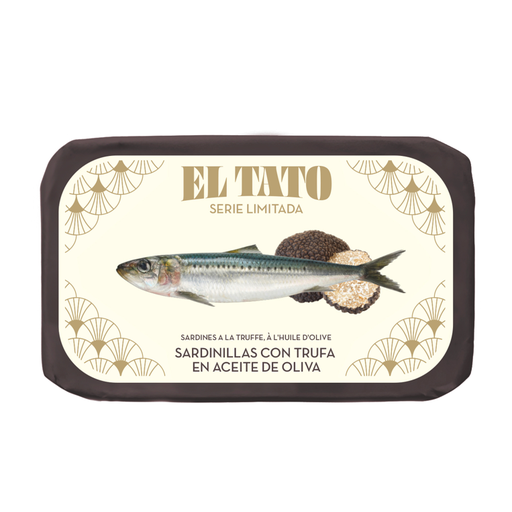 Image unavailable
A flavoured recipe to consider if you’d like to add variety to your toast toppings. The name includes ‘16/20’ and ‘115/81 g’: check the tin to see what these details mean, along with the drained weight and whether it contains bones, before planning portions.
 Image unavailable
Fillets can make it easier to top toast and prepare canapés. The name includes ‘115/81 g’: check what these figures mean on the tin, whether it contains any bones and how to store it after opening.
Choose an aged tin if you want to serve the sardines almost as they are and are happy to check for bones; opt for fillets to make serving easier. If avoiding bones is essential, also look for an explicit ‘boneless’ label on the product you choose.
No. A stated maturation period describes how a particular product is prepared, not what every guest will enjoy. Connétable states that its aged sardines are matured for 12 months; also compare the recipe and format, and think about how you plan to serve them.
Check the ingredients list on the tin you’ve actually bought, as well as the ingredients of any sauce or topping you add. In France, the Directorate-General for Competition, Consumer Affairs and Fraud Control states that allergens must be highlighted in the ingredients list on prepacked foods.
Follow the storage temperature and time stated on the tin you choose. For the Saupiquet and Auchan products concerned, the product pages recommend refrigeration and eating the sardines within two days or 48 hours of opening; always follow the instructions on your own product.