For quick-to-prepare toast toppings or sardine pâté, choose fillets or a product clearly labelled boneless. If you want to serve whole sardines, check that they’re suitable for your guests. Then compare the ingredients, drained weight and instructions for after opening: two tins of the same weight won’t necessarily give you the same amount of fish to serve.
Which formats are right for you?
Hosts preparing toast toppings
If you want to top bread or make a spread without having to remove the bones at the last minute, look for a clear ‘boneless’ label. Connétable, for example, says its skinless and boneless sardines are suitable for serving on bread.
People stocking up in advance
Tinned sardines let you plan your nibbles ahead of your festive celebration, as long as you follow the storage instructions on each tin. The Saupiquet and Auchan products featured here need to be refrigerated and eaten promptly once opened.
Guests who prefer whole sardines
Connétable, Carrefour Classic' and Pêche Océan all offer whole sardines in extra virgin olive oil, suitable for serving simply on bread. Just make sure they’re presented in a way that lets guests choose whether to remove the skin or bones.
What should you look for?
First, choose the shape of the fish to suit your recipe. Then compare the amount you’ll be serving, the ingredients and the storage instructions for the specific tin.
Whole sardines
Choose these if: you want to serve the sardines as they are on bread.
Bear in mind: removing the skin and bones may take extra time.
Fillets
Choose these if: you want to arrange the fish on toast or mash it to make a spread.
Check: ‘fillets’ doesn’t necessarily mean ‘boneless’.
Boneless
Choose these if: avoiding bones is your top priority for festive nibbles.
Check: whether the skin is included and what the recipe contains will depend on the product you choose.
| What to consider |
What to check |
Who is it for? |
| Serving without bones |
The shape of the fish and whether it’s clearly labelled ‘boneless’ or ‘skinless and boneless’. |
If I’m serving toast and don’t want to remove the bones at the last minute, I look for a product that clearly says it’s boneless. Around 40% of consumers are said to prioritise ease of serving. |
| Storage |
The best-before date, the condition of the tin, and the instructions for before and after opening. |
If I buy tinned sardines before Christmas, I want to be able to use the right amount for my festive celebration and store any leftovers according to the label. This is said to be a priority for around 30% of consumers. |
| Recipe and quantity |
The ingredients, the drained weight if shown on the packaging, and the nutritional information if you’re comparing products. |
When I’m putting together a spread or buffet, I want to know how much fish I’ll be serving and whether the ingredients suit my recipe. Around 30% of consumers are said to put this first. |
Mistakes to avoid
-
Treating an opened tin like an unopened one
Storage in a cupboard only applies before the tin is opened. The Saupiquet and Auchan products mentioned here need to be refrigerated and eaten within two days or 48 hours, depending on the product.
Work out how many tins you’ll need based on the portions you’re serving, and follow the instructions on each tin once it’s open.
-
Choosing whole sardines for a boneless spread
Removing the skin and bones can add an extra step when you need to get your toast ready quickly.
To skip this step, look for a ‘boneless’ label. If you choose fillets, check the label to see what it says about bones, too.
-
Assuming all sardines in olive oil taste the same
Ingredients vary between products: the Saupiquet fillets featured here contain olives, while the Connétable and Carrefour Classic' products mentioned combine sardines, extra virgin olive oil and salt.
Read the ingredients list before adding your own seasoning to sardine pâté or choosing a product that’s already flavoured.
-
Working out portions from the net weight alone
The total weight of the tin includes the liquid it’s packed in, so it won’t necessarily tell you how much fish you’ll have.
Compare the drained weight where it’s given, and take the size and shape of the sardines into account when planning portions.
Brands to know for these formats
Connétable
Connétable’s range includes whole sardines in extra virgin olive oil and a skinless and boneless option.
- The brand recommends its skinless and boneless option for serving on bread.
- Check the exact product description: these features don’t apply to the whole sardines.
Saupiquet
Saupiquet offers sardine fillets in extra virgin olive oil in a 100 g pack.
- The fillets are a good choice for toast toppings or a spread.
- The product featured contains olives, so check that they suit your recipe.
Carrefour Classic'
Carrefour offers a 135 g tin of sardines in extra virgin olive oil.
- The listed ingredients are sardines, 29% extra virgin olive oil and salt.
- If you’re planning boneless toast toppings, check how the fish is presented separately.
Pêche Océan / Marque Repère
E.Leclerc offers Pêche Océan sardines in extra virgin olive oil in a 135 g tin, among other products.
- The product information lists sardines, 29% extra virgin olive oil and salt.
- Check the origin information on the tin you choose, as this may depend on sourcing.
Auchan
Auchan’s range includes sardines in organic extra virgin olive oil and a tin of boneless sardines.
- These separate product descriptions make it easy to look for an organic recipe or a boneless option.
- Don’t assume the recipe, pack size or origin information for one product applies to the other.
Sardines for your festive store cupboard
These Joybuy tins suit different festive occasions: small sardines to serve as they are, fillets to arrange on bread, and sardines in olive oil, including a chilli option. Check how each tin is presented and read its instructions before planning your nibbles.
 Image unavailable
El Tato Small Sardines in Olive Oil 16/20, 115/81 g
For making small nibbles, this pack contains 16 to 20 sardines and lists a net weight of 115 g, including 81 g drained. If it’s important to your guests that the fish is boneless, check how it’s presented.
View on Joybuy
 Image unavailable
Connétable Sardines in Extra Virgin Olive Oil, 140 g
For serving on bread, this 140 g product offers a recipe with extra virgin olive oil. If you want boneless nibbles, check the exact description on the packaging: removing the central backbone doesn’t mean all the bones have been removed.
View on Joybuy
 Image unavailable
El Tato Sardine Fillets in Olive Oil, 115/81 g
If you’re looking for fillets to top bread, this product lists a net weight of 115 g and a drained weight of 81 g. Check separately whether any bones may be present if this is a deciding factor for you.
View on Joybuy
 Image unavailable
Connétable Sardines in Extra Virgin Olive Oil, 135 g
This 135 g tin offers sardines in extra virgin olive oil for serving on bread. Check the drained weight when planning portions, and check how the sardines are presented if you need them to be boneless.
View on Joybuy
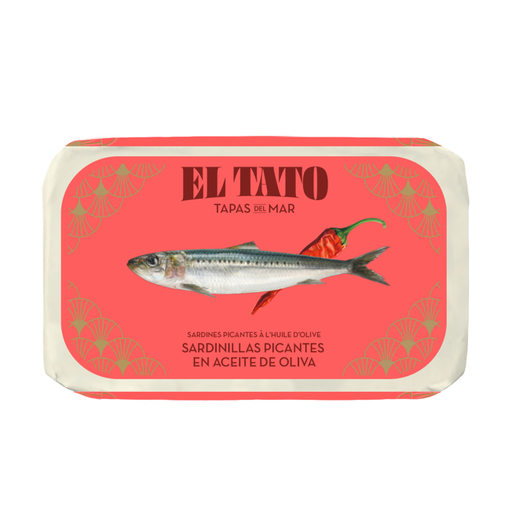 Image unavailable
El Tato Small Sardines in Olive Oil and Chilli 16/20, 115/81 g
For a chilli kick, this variety contains 16 to 20 small sardines, with a net weight of 115 g and a drained weight of 81 g. Make sure the recipe suits your menu, and check how the fish is presented if you want to avoid bones.
View on Joybuy
Frequently asked questions
Can you buy tinned sardines before Christmas?
Yes, as long as the best-before date, the condition of the tin and its storage instructions work for your plans. The DGCCRF distinguishes the best-before date from the instructions for storing the product correctly. Always check the information on the tin you’ve bought, too.
How long can you keep a tin after opening?
Follow the storage period shown on the tin you’ve chosen, and refrigerate the sardines if the label says to. The Saupiquet and Auchan products featured here should be eaten within two days or 48 hours of opening; other products may have different instructions.
Which type of sardines should you choose for a festive spread?
Fillets or sardines clearly labelled boneless mean you won’t need to remove the bones while preparing your spread. Lidl offers a recipe where the sardines are mashed with a fork; adjust the other ingredients to suit the recipe for your tin.
What should you check if a guest has an allergy?
Check the allergen information and full ingredients list on the tin you’re serving: sardines contain fish, and recipes can vary. The Joybuy product listing for the Connétable product reviewed here explicitly identifies fish as an allergen. Don’t assume its full ingredients list applies to other products.


