Festival-goers keeping an eye on sugar
If you want to limit the sugars shown on the label, compare the figures per 100 g as well as the ingredients. Product listings from Carrefour and Auchan show that a lemon and basil recipe can contain sugar.


To choose sardines to take to a festival while keeping sugar intake down, compare the “of which sugars” figure per 100 g and the ingredients list for each recipe. A low figure on its own does not mean the product carries the “reduced sugars” claim. Then choose a tin you can open and finish there and then if you have no way to keep leftovers refrigerated.
If you want to limit the sugars shown on the label, compare the figures per 100 g as well as the ingredients. Product listings from Carrefour and Auchan show that a lemon and basil recipe can contain sugar.
If you plan to eat the sardines straight away, choose an amount you can finish once the tin is open. The storage instructions for the Saupiquet, Auchan and Connétable products reviewed here say to refrigerate any leftovers.
For less preparation while eating, check that the specific variant is labelled “boneless”. The Connétable boneless and skinless product featured by Auchan is made with extra virgin olive oil.
When choosing sardines to eat at a festival, start with what matters most to you — sugar, eating them straight away, the recipe or boneless fish — then check the label on the exact tin you’re buying.
| What to consider | What to check | Who it matters to |
|---|---|---|
| Sugars and ingredients | Compare “of which sugars” per 100 g and check whether sugar appears in the ingredients list for the exact recipe. | If my main aim is to limit sugar, the recipe name or flavour alone isn’t enough to guide my choice; around 36% of consumers prioritise this. |
| Pack size and storage | Check the stated quantity, the condition of the tin and the storage instructions after opening. | Without a cool bag, I need to be able to finish the tin there and then rather than keep leftovers unrefrigerated; this is the main priority for around 29% of consumers. |
| Recipe to serve | Compare the ingredients and nutritional information for plain, oil-packed and flavoured recipes. | If I want to eat without preparing the tin, I might prefer a recipe that’s already seasoned, while still checking its ingredients; around 21% of consumers prioritise the recipe. |
| Boneless fish | Look for “boneless” on the specific product, then check its recipe too. | If I’m eating standing up or in a hurry, I might look for a tin that needs less preparation; around 14% of consumers put boneless fish first. |
A figure of 0 g of sugars describes the nutritional value; on its own, it doesn’t prove that the product has less sugar than a reference product. Nutrition claims are governed by EU rules, as explained by Your Europe.
Use the “of which sugars” figure to compare quantities on the same basis. If the “reduced sugars” claim matters to your choice, check that it actually appears on the product and find out under what conditions it’s used.
The ingredients list for Auchan’s oil-free lemon and basil sardines includes sugar, despite a declared figure of less than 0.5 g of sugars per 100 g. Carrefour also lists sugar in its Classic’ lemon and basil recipe.
Read the ingredients and nutritional information for the variant you’re buying instead of guessing what it contains from the recipe name alone.
An unopened tin and one that’s been opened need to be stored differently. The storage instructions for the Saupiquet, Auchan and Connétable products reviewed here say to refrigerate them after opening.
If you can’t keep leftovers chilled, wait until you’re ready to eat and open an amount you can finish.
On 25 September 2026, RappelConso published a recall for an identified batch of Carrefour Classic sardines in extra virgin olive oil, after a crab claw was found in a tin.
Before eating a tin that may be affected, compare its product reference and batch number with the information from RappelConso. Don’t assume that another recipe or batch is included.
The range includes whole sardines and fillets, with recipes including plain, oil-packed and seasoned options.
The products reviewed include sardines in extra virgin olive oil, including a boneless and skinless variant.
The range includes oil-free lemon and basil sardines and sardines in extra virgin olive oil.
The lemon and basil recipe is a good example of why marinades should be checked ingredient by ingredient.
These products include tinned sardines, including options without a central backbone, recipes in olive oil and a recipe in water. To choose a tin to take with you, compare the variant, quantity and storage instructions with what you’ll need while you’re there. Check the nutritional information if sugar is your top priority.
 Image unavailable
An option to consider if you’d like boneless sardines to eat while you’re there. This 98 g tin is packed in water; check the nutritional information and remember to refrigerate any leftovers as instructed on the product.
 Image unavailable
A recipe in olive oil to consider if you enjoy this type of seasoning. The stated pack size is 140 g: compare it with the amount you’ll be able to eat once opened and check the label for this variant.
 Image unavailable
This 135 g tin can be compared with other Connétable sizes for a meal you plan to finish while you’re there. It’s made with extra virgin olive oil; check the ingredients and the “of which sugars” figure for the product you choose.
 Image unavailable
Fillets to consider if you prefer them to whole sardines. The product name gives the size as 115/81 g; check what these figures refer to on the packaging and compare the usable portion before you set off.
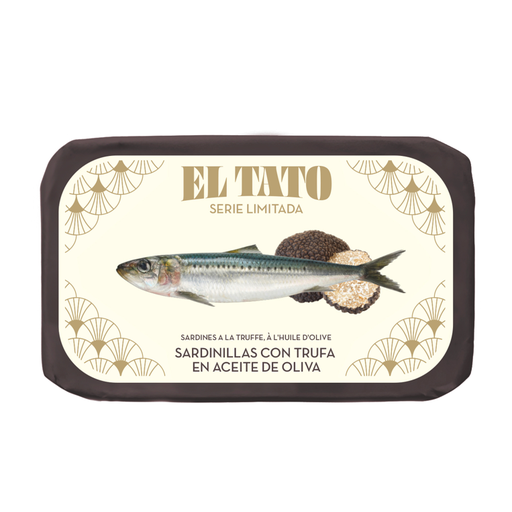 Image unavailable
This flavoured recipe could suit you if the preparation is your main priority, as long as you check the exact ingredients. The name specifies small sardines 16/20 and a 115/81 g size; check the ingredients, allergen information and storage instructions after opening.
No. This figure alone isn’t enough to substantiate the “reduced sugars” claim. It shows the declared amount in the product, while comparative claims are covered by European rules on nutrition claims. Check the exact wording on the tin and the conditions for using it.
If you can’t refrigerate leftovers, choose a tin you can finish as soon as you open it. The Saupiquet, Auchan and Connétable products reviewed here say to refrigerate them after opening; always follow the instructions on the tin you buy.
Check the ingredients and allergen information on the exact tin: the sardines reviewed here contain fish, and other allergen information may depend on the recipe. Don’t assume that the details for one variant apply to another.
No. The recall published by RappelConso on 25 September 2026 identifies a specific product and batch of Carrefour Classic sardines in extra virgin olive oil. Before deciding whether your tin is affected, compare its GTIN and batch number with those on the RappelConso listing.