When choosing tinned sardines for a family dinner, compare the ‘of which sugars’ figure and the ingredients rather than relying on the words ‘reduced sugar’: a low figure on the label doesn’t prove that the sugars have been reduced compared with another recipe. Then choose according to who’s eating: the presence of bones, strength of seasoning, oil and salt may matter more than the sugar content alone.
Who are these criteria useful for?
Families who prefer a simple recipe
If you’re serving sardines with bread, rice, potatoes or vegetables, you may be looking for a lightly seasoned recipe with a short ingredients list. Saupiquet’s sardine fillets in brine contain sardines, water and salt; the product information states that they contain less than 0.2 g of sugars per 100 g of drained product.
Diners who are put off by bones
If bones could make the meal tricky, look for an explicit statement on the tin. A Connétable variety in extra virgin olive oil and lemon, sold by Carrefour, is sold boneless; this feature alone doesn’t tell you anything about its sugar content.
People who compare labels
If you’re looking for recipes with low sugar, distinguish the ‘of which sugars’ figure from any ‘reduced sugar’ claim. The ingredients list will also show whether sugar is used in the recipe, even when the nutritional figure is low.
What should you look for when choosing sardines for dinner?
Start with the preferences of the people at the table, then compare the nutritional information and ingredients of recipes that might suit them.
| Criteria |
What to check |
Who is it for? |
| Sugars declared |
Check the ‘of which sugars’ figure per 100 g and the ingredients list. If the packaging claims reduced sugars, look at the comparison given. |
If I’m looking for a low-sugar recipe, I want to distinguish the figure on the label from a promise to reduce sugars. Around 33% of consumers put checking sugars at the top of their list of concerns. |
| Bones and seasoning |
Look for the words ‘boneless’, ‘fillets’ or ‘whole sardines’, and check the ingredients for chilli. |
When several people are sharing dinner, I’d rather avoid a texture or strong flavour that puts anyone off eating the sardines. Around 45% of consumers prioritise whether everyone at the table will enjoy them. |
| Oil, salt and the meal |
Compare salt and fat per 100 g, then check the pack size against the other food being served. |
If dinner already includes salty food or a sauce, I look at the whole recipe rather than sugars alone. For around 22% of consumers, oil, salt and the overall meal come before other criteria. |
Mistakes to avoid
-
Confusing low sugar with ‘reduced sugar’
A recipe in brine and a marinade may both show a low ‘of which sugars’ figure, but that doesn’t prove a reduction compared with a similar product. Regulation (EC) No 1924/2006 governs nutrition claims in the European Union.
Read the nutritional information and ingredients separately. If the tin carries a ‘reduced sugar’ claim, check the comparison stated on the label.
-
Checking sugars without looking at salt or oil
According to their product information, Saupiquet’s sardine fillets in brine contain 0.65 g of salt per 100 g, while its lemon and basil fillets contain 1.3 g per 100 g. Carrefour’s Connétable variety in extra virgin olive oil and lemon contains 21% extra virgin olive oil.
Compare the nutritional figures per 100 g and take the rest of the dinner into account before choosing a recipe.
-
Assuming everyone will enjoy every recipe
A spicy version won’t suit the same tastes as a plain recipe, and bones can put some diners off. Saupiquet states that its whole sardines with chilli recipe contains 2% chilli.
Check what your guests like before choosing a spicy recipe; if bones are a concern, look for an explicit ‘boneless’ label.
-
Keeping an opened tin without checking the instructions
The Saupiquet product information we checked says to refrigerate the product after opening and eat it within two days. This advice applies to the specific products concerned.
For the tin you choose, follow the instructions on its packaging and plan to use any leftovers accordingly.
Brands to know
These examples show how ingredients and nutritional values can vary from one recipe to another, even within the same brand.
Saupiquet
Saupiquet offers sardine fillets in brine, a lemon and basil recipe, and whole sardines with chilli. The right choice depends on the specific recipe, not just the brand name.
- The product information for its fillets in brine lists sardines, water and salt, and states that they contain less than 0.2 g of sugars per 100 g of drained product.
- The lemon and basil recipe includes sugar in its ingredients and contains 1.3 g of salt per 100 g; the chilli version is for diners who enjoy that flavour.
Connétable
A Connétable variety in extra virgin olive oil and lemon, sold by Carrefour, is an example of a tin explicitly sold as boneless.
- For this product, Carrefour states that it contains 21% extra virgin olive oil, 204 kcal and 12 g of fat per 100 g.
- If sugars are a deciding factor, check the figure on the packaging for this particular product before comparing it with another recipe.
Carrefour Classic’
Carrefour’s 135 g lemon and basil recipe is an option for anyone looking for seasoned sardines to share at dinner.
- Its product information lists lemon and basil among the ingredients.
- It also lists sugar as an ingredient and contains 0.59 g of added sugars per 100 g, so it isn’t a no-added-sugar recipe.
Sardines to compare on Joybuy
These tins in water or oil come in several sizes to suit a family dinner. If bones are a deciding factor, choose a product that explicitly states it is boneless; for sugars and salt, compare the labels on each product.
 Image unavailable
Connétable Boneless Sardines in Water 98 g
Worth considering when bones are the main concern at dinner: the product is specifically labelled ‘boneless’. This is a 98 g tin of sardines in water; check its nutritional information if sugar or salt content will guide your choice.
View on Joybuy
 Image unavailable
EL TATO Sardine Fillets in Olive Oil 115/81 g
If you prefer to serve fillets, this product pairs sardine fillets with olive oil. The pack is labelled 115/81 g; check the packaging to see what each of these quantities refers to before planning portions.
View on Joybuy
 Image unavailable
Connétable Sardines in Extra Virgin Olive Oil 140 g
If you’re looking for a recipe made with extra virgin olive oil for dinner, this tin comes in a 140 g size. If boneless sardines are essential, check the packaging for this specific product rather than assuming all Connétable sardines are boneless.
View on Joybuy
 Image unavailable
EL TATO Small Sardines 16/20u in Olive Oil 115/81 g
If you’d like to serve small sardines in olive oil, this product is labelled 16/20u and comes in a 115/81 g size. Check the packaging if you need to know the drained weight or whether the sardines contain bones.
View on Joybuy
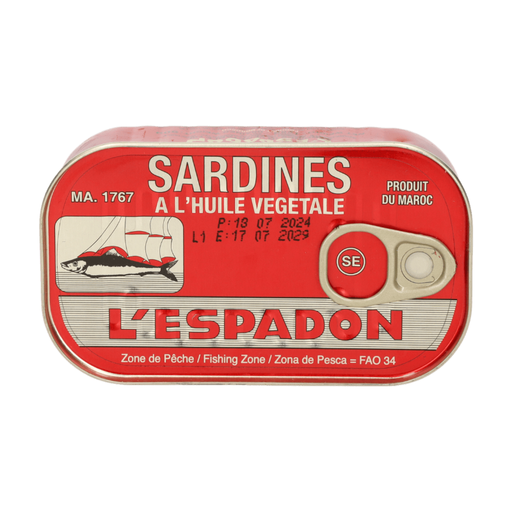 Image unavailable
L’Espadon Sardines in Oil 125 gr
This 125 gr tin is an option if you’re looking for sardines in oil and don’t have a particular oil in mind. Read the ingredients list to identify the oil, and check the other details that matter for your table.
View on Joybuy
Frequently asked questions
Does a sardine labelled 0 g of sugars automatically count as ‘reduced sugar’?
No: the ‘of which sugars’ figure and the ‘reduced sugar’ claim don’t mean the same thing. Regulation (EC) No 1924/2006 governs nutrition claims; if this wording appears on a product, check the comparison stated, as well as the ingredients and nutritional values.
What should I choose if some diners don’t like bones or chilli?
Look for a tin explicitly labelled ‘boneless’ and check the ingredients list for seasonings. Carrefour’s Connétable variety in extra virgin olive oil and lemon is sold boneless, while Saupiquet’s whole sardines with chilli contain 2% chilli.
How long can you keep an opened tin of sardines?
Follow the instructions on the tin you’ve chosen. The Saupiquet product information we checked says to refrigerate the sardines after opening and eat them within two days; don’t automatically apply this advice to another product.
How can I include sardines in a varied family menu?
Sardines can be part of your fish meals, alongside other types of fish. For the general population, Anses recommends two portions of fish per week, including one portion of oily fish; this general guideline doesn’t determine which tinned recipe to buy.


