If sardines are the centrepiece of dinner, choose an aged recipe or a product bearing the Label Rouge, depending on whether you’re looking for a stated ageing period or a production standard. If easy serving is your priority, fillets explicitly sold as boneless are a better fit. In every case, check how much you’ll be serving, the ingredients and the information on the tin you buy.
Who are these options for?
Hosts making sardines the star of the show
You serve them at the centre of the table, with bread or simple sides. A whole sardine recipe may appeal if it has a specific feature, such as the 12 months of ageing Connétable states for its Sardines de Garde, or if the tin bears the Label Rouge.
Families who prefer to avoid bones
You want to serve sardines without having to pick out the bones at the table. Look for the words ‘boneless’ on the specific product: simply removing the backbone doesn’t necessarily mean the same thing.
Anyone planning portions for a group
You want to know how many tins to open and compare different recipes. Net weight, drained weight where stated, ingredients and nutritional information can all help you choose, rather than relying on the word ‘premium’ alone.
What should you prioritise for dinner?
First decide whether the sardines will be a dish in their own right or an easy-to-share ingredient. Then compare the amount you’ll actually serve and the recipe in each tin.
| Criteria |
What to check |
Who is it for? |
| A recipe to savour |
Whether the specific product states an ageing period; whether the Label Rouge is actually present if that’s the standard you’re looking for. |
When sardines take centre stage on the plate, I look for a specific feature rather than a general ‘premium’ promise. Around 36% of consumers would prioritise the tasting experience above all else. |
| Boneless serving |
The words ‘boneless’, which should be distinguished from a statement referring only to the backbone. |
When serving guests who don’t want to pick out bones, I prefer a product explicitly described as boneless fillets. Around 29% of consumers would put ease of serving first. |
| How much to serve |
The net weight, the drained weight if shown on the tin, and how many tins you’ll need depending on how central the sardines are to the meal. |
If the sardines are to be shared between several people, I want to avoid confusing the weight of the tin with the amount of fish to serve. Around 21% of consumers would put portion size at the heart of their decision. |
| Ingredients |
The ingredients and nutritional values, particularly salt and fat per 100 g; and the specific instructions for the product once opened. |
When there are several oil-based or seasoned recipes to choose from, I check the ingredients before deciding which one suits the meal. This would be the main consideration for around 14% of consumers. |
Mistakes to avoid
-
Assuming all ‘premium’ sardines are the same
Aged sardines, a tin bearing the Label Rouge and boneless fillets each meet different needs. A brand’s stated ageing period alone doesn’t mean that every guest will prefer that recipe.
Choose the feature that matters to you, then check that it appears on the specific tin you plan to serve.
-
Planning on one small tin for the whole table
The 115 g size stated for a Connétable Sardines de Garde product may not be enough if sardines are the main dish.
Check the net weight and, where stated, the drained weight. Work out how many tins you’ll need based on the number of guests and the sides you’re serving.
-
Comparing recipes without checking the nutritional information
Ingredients vary between products. Auchan’s product listing for Saupiquet boneless fillets in extra virgin olive oil gives, for this specific product, 1.5 g of salt and 27 g of fat per 100 g.
To compare two tins, read their ingredients and nutritional information on the same basis, particularly per 100 g. Don’t assume that the figures for one product apply to the whole category.
-
Keeping leftovers without checking the instructions on the tin
After-opening instructions apply to the specific product you’ve bought. For the Saupiquet boneless fillets listed by Auchan, the instructions recommend transferring them to a suitable food container, keeping them at between 0 and 4 °C and eating them within 48 hours.
Before your meal, check the instructions on the tin you’ve chosen and have a suitable container ready if you think you’ll have leftovers.
Brands to compare
Connétable
A brand to explore if you’re looking for whole sardines in olive oil, an aged recipe or a product bearing the Label Rouge.
- Connétable states that its Sardines de Garde are aged for 12 months. The brand also offers a traditional-style Label Rouge recipe.
- These features apply to specific products and aren’t an independent comparison of taste. Whole sardines may not suit guests who prefer to avoid bones.
Saupiquet
A brand to consider when fillets and ease of serving matter more than the presentation of a whole sardine.
- The Saupiquet boneless fillets in extra virgin olive oil listed by Auchan allow you to check the format, ingredients and after-opening instructions.
- Boneless fillets don’t have the same presentation as whole aged sardines. Compare each recipe rather than making assumptions about the brand as a whole.
Pêche Océan (Marque Repère / E.Leclerc)
A range to compare if you’d like to explore different sardine formats and recipes.
- The selection listed by E.Leclerc includes whole sardines and fillets, in natural juices or olive oil.
- Being part of this range doesn’t, by itself, tell you whether a product has been aged or bears the Label Rouge. Check the product details and tin for each item.
Sardines to consider on Joybuy
These tins offer olive oil recipes, some of them seasoned, for putting together a sardine-centred dinner. To choose between them, focus on the recipe, format and your guests’ preferences. Check the specific product for any claim about ageing, the Label Rouge or being boneless.
 Image unavailable
Connétable Sardines in Extra Virgin Olive Oil, 135 g
A recipe to consider if you’re serving sardines at the centre of the meal with simple sides.
The product name states a net weight of 135 g. Check the drained weight on the tin to work out how much fish you’ll be serving.
If you’re specifically looking for the Label Rouge, check that the mark appears on the packaging you buy. These whole sardines may not suit guests who prefer to avoid bones.
View on Joybuy
 Image unavailable
Connétable Sardines in Olive Oil with Espelette Chilli, 1/6, 115 g
This seasoned recipe is suited to a table where guests enjoy Espelette chilli.
The product name states a 1/6 format and a net weight of 115 g. Check the drained weight before deciding how many tins to serve.
The presence of chilli alone doesn’t tell you how hot it will taste on the plate.
View on Joybuy
 Image unavailable
Connétable Sardines in Extra Virgin Olive Oil, 140 g
Another extra virgin olive oil recipe to compare, whether you’re serving it with bread or on a plate.
The product name states 140 g. If being boneless is essential, check the exact wording on the packaging: you can’t tell from the recipe name alone.
View on Joybuy
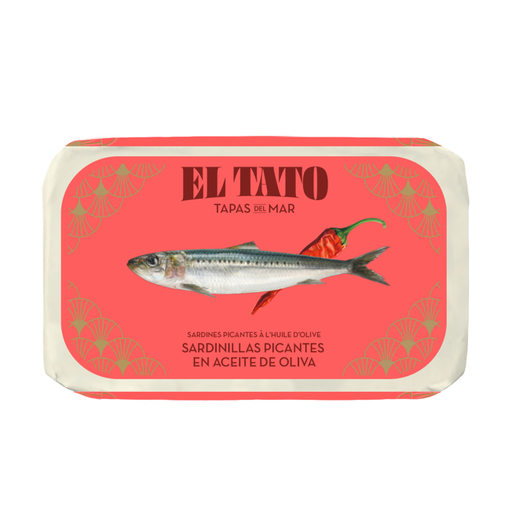 Image unavailable
EL TATO Small Sardines 16/20 in Olive Oil and Chilli, 115/81 g
These small, seasoned sardines can be served on toast or as part of a sharing platter if the chilli suits your guests.
The product name states 16 to 20 sardines, 115 g net weight and 81 g drained weight. Use the drained weight to plan how much you’ll serve.
Check the instructions on the tin for how to store any leftovers after opening.
View on Joybuy
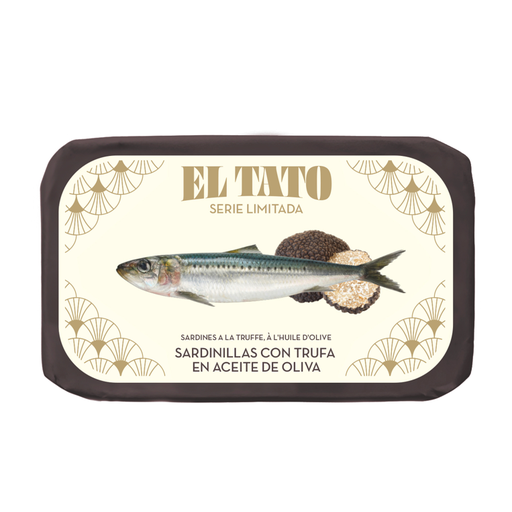 Image unavailable
EL TATO Small Sardines 16/20 in Olive Oil and Truffle, 115/81 g
This truffle recipe is for guests looking for a different seasoning from plain olive oil.
The product name states 16 to 20 sardines, 115 g net weight and 81 g drained weight. If sardines are the main part of the meal, factor in this drained weight when deciding how many tins to serve.
Check the ingredients for the specific product if the seasoning is an important part of your choice.
View on Joybuy
Frequently asked questions
How do you choose sardines for dinner without relying on the word ‘premium’?
Look for a feature that suits the way you plan to serve them: a stated ageing period for an aged recipe, the Label Rouge on the tin or fillets explicitly sold as boneless. Then compare the ingredients, net quantity, drained weight where stated and nutritional information for each product.
What does the Label Rouge mean on a tin of sardines?
In France, the Label Rouge refers to a set of specifications for the relevant category, but the tin you choose must actually bear the mark. The decree of 29 May 2026 published by Légifrance approves the LA 01/03 specifications for canned sardines caught using a purse seine. It does not mean that a tin which doesn’t display the mark can be labelled as such.
How should you store sardines after opening?
Follow the instructions on the tin you’ve bought, as the recommended storage time may depend on the product. For the Saupiquet boneless fillets listed by Auchan, the instructions recommend transferring them to a suitable food container, refrigerating them at between 0 and 4 °C and eating them within 48 hours.


