If sardines are the centrepiece of your starter, choose a recipe and format to suit how you plan to serve them – for example, whole sardines in extra virgin olive oil, served simply. For quick toast toppings or guests who avoid bones, consider fillets or products clearly labelled boneless. If you’re serving several people, check the drained weight of each tin before working out how many you’ll need.
Who are these options for?
Hosts serving sardines as a starter
Whether served on toast or almost on their own, sardines take centre stage on the plate. A recipe made with extra virgin olive oil or a specifically aged product may help guide your choice, though every guest’s taste is different.
Hosts who want to avoid bones when serving
For topping toast or putting together a salad, fillets and products explicitly labelled boneless make serving more straightforward. Be sure to distinguish between these two descriptions on the tin you choose.
People preparing several portions
If you need several tins, compare their formats by checking the drained weight, ingredients and number of portions you have in mind. Don’t assume that two recipes from the same retailer are identical.
What should you look for?
First decide whether you’ll enjoy the sardines simply or serve them as part of a starter. Then check the bones, recipe and quantity of fish you’ll need.
| Criterion | What to check | Who is it for? |
|---|
| How they’ll be served |
The exact recipe and, if it matters to you, whether the product is described as aged. |
For a starter served with few extras, I want the tin I choose to suit that style of eating; around 33% of consumers would put this first. |
| Bones and serving |
Whether it says “fillets” or “boneless”, as well as the ingredients in the recipe. |
If any guests avoid bones, I’d rather have an option that’s easy to serve on toast; this would be the top priority for around 25% of consumers. |
| Ingredients and provenance |
The ingredients list and fishing information shown on the tin you buy. |
Before choosing between two similar recipes, I want to check exactly what’s in the tin and what provenance information is available; around 25% of consumers would prioritise this check. |
| Quantity to serve |
The net weight, drained weight and number of portions you’re planning. |
For a lunch with several guests, I want to make sure there’s enough fish without mistaking the total contents of the tin for the amount of sardines to serve; this would be the priority for around 17% of consumers. |
Mistakes to avoid
-
Assuming all tins from one brand are the same
Ageing claims, recipes and provenance information apply to specific products. Tins with similar packaging may also differ in their ingredients and format.
Compare the full product names and check each label before choosing which sardines to serve.
-
Choosing only whole sardines
This format may not suit guests who avoid bones, particularly if you want to top toast quickly.
If this matters to your guests, choose a product labelled “fillets” or “boneless”, depending on what you’re looking for.
-
Confusing the tin’s weight with the amount of fish
The net weight also includes the liquid the fish is packed in, so it doesn’t tell you on its own how much sardine you’ll have for your portions.
Check the drained weight where it’s shown, and adjust the number of tins to suit the portions you have in mind.
-
Overlooking the condition of the tin and storage instructions after opening
A swollen, rusty or dented tin may indicate spoilage, as the DGCCRF points out. Once opened, storage instructions depend on the product.
Discard any tin that is visibly damaged and follow the packaging instructions for storing leftovers.
Brands to know when comparing products
Connétable
The range includes sardines in extra virgin olive oil and an aged option to consider for a simply served starter.
- Connétable describes its aged sardines as being matured for 12 months; another product listing describes a recipe made with sardines, extra virgin olive oil and salt.
- The ageing claim and preparation details apply only to the products that carry them, so check the name of the tin you choose.
Saupiquet
The sardine fillets in the product reviewed may work well in a composed starter or on toast.
- Saupiquet’s product listing describes fillets in extra virgin olive oil with olives.
- The olives make this recipe different from one containing only sardines, oil and salt. Check the ingredients if that’s what you’re looking for.
Carrefour Classic’
A product of whole sardines in extra virgin olive oil gives you a clearly identified recipe and format to compare.
- Carrefour’s listing for the 135 g tin states Sardina pilchardus, 29% extra virgin olive oil and salt.
- These details apply to this product, not every Carrefour tin; check the label on the one you choose.
Auchan
Whole and boneless options let you compare two formats for the same meal.
- Auchan’s product listings include a 135 g tin of whole sardines and a 100 g boneless option.
- Auchan notes that the ingredients in its whole sardines may vary depending on the collection point and purchase date. Check your local product listing or the label.
Sardines available on Joybuy
These tins include sardines in olive oil, fillets to add to toast and seasoned sardines. For Easter lunch, choose the style you’d like to serve, then check each product for the details you need to plan portions and cater for your guests.
 Image unavailable
Connétable Sardines in Extra Virgin Olive Oil, 140 g
An option to consider for toast or a starter featuring extra virgin olive oil. If any guests avoid all bones, check the exact wording on the tin before choosing this product.
View on Joybuy
 Image unavailable
Connétable Sardines in Extra Virgin Olive Oil, 135 g
For a simple serving on bread, this tin is labelled as containing extra virgin olive oil. Check its drained weight to plan portions, and the label for information about provenance.
View on Joybuy
 Image unavailable
EL TATO Sardine Fillets in Olive Oil, 115/81 g
The fillet format is worth considering for topping toast or adding to a salad. Check what the two weights refer to and follow the tin’s instructions after opening. The product name specifies olive oil, but not extra virgin olive oil.
View on Joybuy
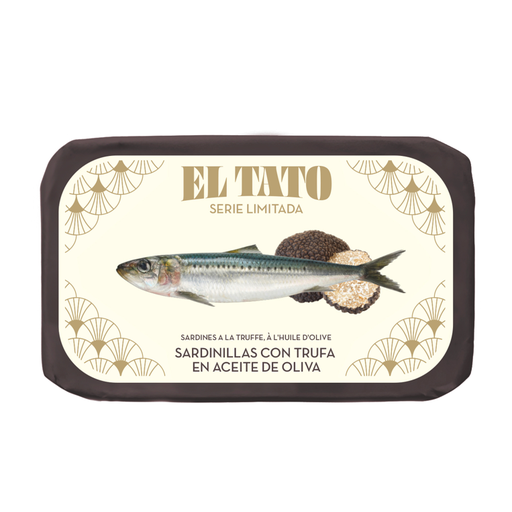 Image unavailable
EL TATO Small Sardines 16/20 in Olive Oil and Truffle, 115/81 g
This seasoned recipe is for anyone who’d like to serve sardines with truffle rather than a product containing only sardines, oil and salt. Check the ingredients and what the two weights refer to before working out portions.
View on Joybuy
 Image unavailable
Connétable Sardines in Olive Oil and Espelette Pepper, 1/6 size, 115 g
Worth considering if you’d like to serve sardines seasoned with Espelette pepper on bread, rather than sardines simply packed in oil. Check the ingredients list and drained weight before planning portions.
View on Joybuy
Frequently asked questions
Which sardines should I serve as a simple Easter starter?
Whole sardines in extra virgin olive oil are a good choice if your guests enjoy them served this way. An aged product may also suit a tasting with few extras. If bones are a concern, look for fillets or a tin explicitly labelled “boneless”.
How can I check the species and provenance?
Read the information on the product you’re buying rather than assuming its provenance from the brand. The DGCCRF explains that details about species and fishing area depend on the seafood product in question. Check the label and any information available for that specific tin.
What should I do with sardines after opening the tin?
Follow the instructions on the tin. The Saupiquet and Auchan products described here say to refrigerate them and eat them within two days or 48 hours of opening, but check the instructions for your own tin.
Can you serve sardines from a rusty or swollen tin?
Don’t serve the contents. According to the DGCCRF, rust, swelling or dents may indicate that a metal tin has been damaged or its contents spoiled.
How should I interpret the date on a tin?
First check whether the packaging shows a use-by date (DLC) or a best-before date (DDM), then follow the storage instructions. The Ministry of the Economy distinguishes between these two dates: a use-by date is a strict deadline. After opening, also follow the product-specific instructions.


