When choosing sardines as part of your diabetes-friendly shop, don’t rely on the words ‘lower in sugars’ alone. Compare the carbohydrates, including sugars, per 100 g, then consider how much you’ll eat. Auchan’s product listings show that Connétable sardines in brine contain 0 g of sugars per 100 g, while the same brand’s lemon marinade contains 0.8 g. Remember to check the salt and fat content of each recipe, too. France’s health insurance service advises that your diet should be tailored to your individual needs, rather than based on generally excluding a particular food.
Who might find these criteria useful?
People who compare food labels
You want to check the carbohydrates, including sugars, and the ingredients in a particular recipe, without ruling out all sardines based on a single label claim. France’s health insurance service recommends considering nutritional information in relation to the amount you eat.
People keeping an eye on salt
You also compare the ‘salt’ line. Auchan’s listings for two Connétable recipes show 0.9 g per 100 g for the sardines in brine, and 0.2 g per 100 g for a reduced-salt lemon marinade.
People who want a tin that’s easy to serve
A boneless or pre-seasoned recipe may suit the way you plan to serve your sardines. But convenience doesn’t replace checking the portion size and nutritional values of the tin you choose.
What should you compare before choosing?
When shopping with diabetes in mind, start with carbohydrates and sugars, then check salt and fat according to your priorities. France’s health insurance service advises checking the values per 100 g and relating them to the amount you’ll actually eat.
| What to compare |
What to check |
Who is it for? |
| Carbohydrates and sugars |
Compare ‘carbohydrates’ and ‘of which sugars’ per 100 g, then check the values for the portion you plan to eat. For seasoned recipes, check the ingredients too. |
I want to know how the tin I’ll eat fits into my carbohydrate tracking; around 42% of consumers would make this comparison a priority. |
| Salt |
Check the salt per 100 g and take the amount you’ll eat into account, even if the recipe is labelled as reduced in salt. |
If I’m watching my salt intake, low sugar alone isn’t enough to choose between two recipes. Around 33% of consumers would prioritise this. |
| Recipe and convenience |
Check the fat per 100 g, the pack size, whether the sardines are boneless and the storage instructions after opening. |
I’m looking for a tin that’s easy to serve and a recipe that works with the rest of my meal; around 25% of consumers would prioritise this balance. |
Pitfalls to avoid
-
Looking only for a claim about sugars
Auchan’s product listings show 0 g of sugars per 100 g for Connétable sardines in brine, compared with 0.8 g for their lemon marinade. So the recipe name doesn’t tell you everything: check its nutritional values.
Compare the carbohydrates, including sugars, for the exact product and relate them to the portion you plan to eat.
-
Forgetting about salt once you’ve checked the sugars
The listings reviewed show 0.2 g of salt per 100 g for Connétable’s lemon marinade and 1.2 g for Carrefour sardines in tomato sauce. France’s food safety agency, ANSES, highlights excess salt as a risk factor for high blood pressure.
Include salt in your comparison and take the amount you’ll eat into account.
-
Assuming ‘no added sugars’ tells you everything about the nutrition
Auchan’s listing for Saupiquet sardines with chilli carries the claim ‘no added sugars’ and shows 0 g of sugars, but also 21 g of fat per 100 g.
When comparing a seasoned recipe with one in brine, look at the fat and portion size as well as the sugars.
-
Trusting an online listing without checking the tin you buy
Auchan notes that the composition of some products may vary depending on the online grocery service and the date of purchase. So check the information shown online against the product you choose.
Check the ingredients, nutritional information and storage instructions after opening on the packaging.
Brands to compare by recipe
Connétable
Auchan lists two recipes that make it easy to compare boneless sardines in brine with a reduced-salt lemon marinade.
- The listing for boneless sardines in brine shows 0 g of carbohydrates, including 0 g of sugars, per 100 g.
- The lemon marinade contains ingredients including brown cane sugar and has 0.8 g of sugars per 100 g. The values for the sardines in brine don’t apply to every product from the brand.
Saupiquet
The chilli recipe listed by Auchan is an example of seasoned sardines you can compare with a recipe in brine.
- This product is labelled ‘no added sugars’ and shows 0 g of sugars per 100 g.
- It also contains 21 g of fat per 100 g. These values apply to the chilli recipe, not all Saupiquet sardines.
Auchan
The sardines in brine described by Auchan give you the option to explore a recipe made without oil.
- The product description says they’re prepared in brine without oil.
- Auchan notes that the composition of some products may vary depending on the online grocery service and the date of purchase. Check the packaging of the tin you choose.
Carrefour
A listing published by Carrefour for sardines in tomato sauce shows how recipes in sauce can differ from those in brine.
- The listing shows 0.8 g of sugars per 100 g, which you can compare with the specific recipe you’re considering.
- It also shows 1.2 g of salt per 100 g. These figures don’t apply to all sardines in tomato sauce.
Sardines to explore on Joybuy
These products let you explore recipes in brine, in olive oil or in tomato sauce. If you’re choosing sardines as part of a diabetes-friendly shop, compare the nutritional values and ingredients of each tin, along with the portion you plan to eat.
 Image unavailable
Connétable sardines in extra virgin olive oil, 135 g
A recipe in oil to compare with sardines in brine if fat content is important to you. Check the sugars and salt on the product you buy, too.
View on Joybuy
 Image unavailable
Connétable boneless sardines in brine, 98 g
A recipe in brine to consider if boneless sardines make serving easier. Auchan’s listing for this product shows 0 g of sugars and 0.9 g of salt per 100 g, so remember to take the amount you eat into account.
View on Joybuy
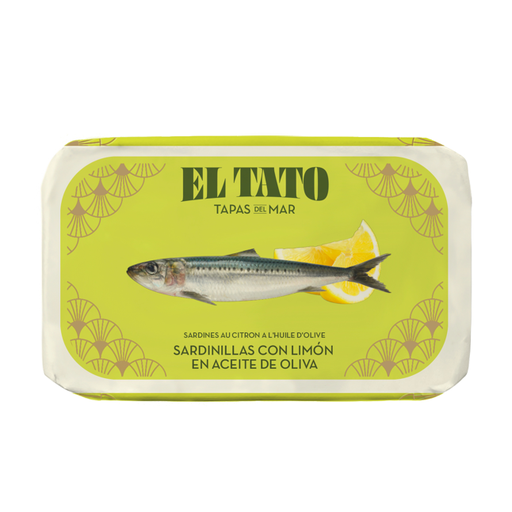 Image unavailable
EL TATO small sardines in olive oil and lemon, 16/20u, 115/81 g
A lemon-flavoured recipe to explore if you’re looking for sardines in olive oil. The pack states 115 g, including 81 g drained weight. Compare the nutritional values with the portion you’ll serve in mind.
View on Joybuy
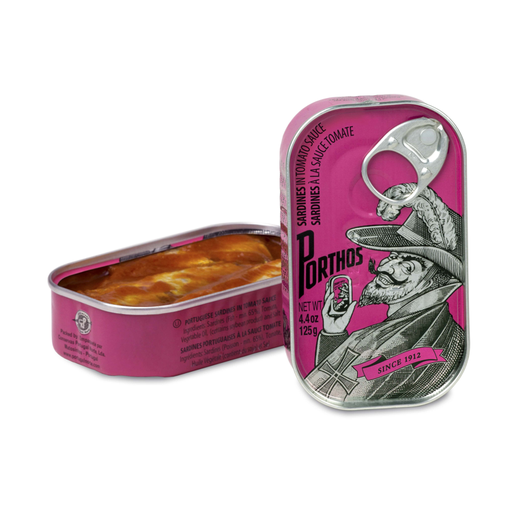 Image unavailable
PORTHOS Vintage sardines in tomato sauce, 112/81 g
A tomato recipe to consider if you’d like to compare sardines in sauce with those in brine. The stated pack size is 112 g, including 81 g drained weight. Check the sugars and salt on the tin before choosing.
View on Joybuy
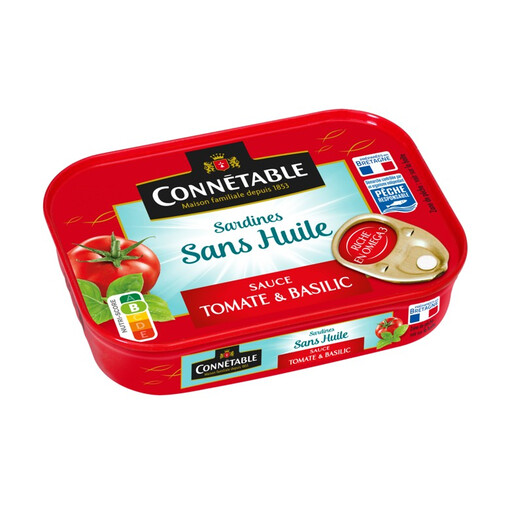 Image unavailable
CONNECTABLE sardines with tomato and basil, 1/6 tin, 115 g
Another tomato recipe to compare if seasoning is part of your decision. For this 115 g tin, check the ingredients and the carbohydrates, sugars and salt for the product you buy.
View on Joybuy
Frequently asked questions
Do you need to avoid sardines if you have diabetes?
No. Sardines don’t need to be excluded from your diet altogether. France’s health insurance service recommends a varied diet tailored to individual needs. When choosing a tin, check the recipe, its nutritional information and how much you’ll eat.
Which values should you check first on a tin of sardines?
Start with carbohydrates, including sugars, then check salt and fat per 100 g. France’s health insurance service advises relating these values to the amount you’ll actually eat.
Is ‘no added sugars’ enough to help you choose a recipe?
No. This claim doesn’t tell you how much fat or salt is in the tin. Auchan’s listing for Saupiquet sardines with chilli shows 0 g of sugars, but also 21 g of fat per 100 g. So compare the other values that matter to you as well.
How should you store sardines after opening?
Follow the instructions on the tin you’ve bought. For the Connétable boneless sardines in brine described in the product information, the advice is to refrigerate after opening and eat within two days.


