Cyclists planning a meal after a ride
You’d like to include fish in a meal that also contains starchy foods. INSEP distinguishes seafood, which provides protein, from foods that supply carbohydrates, which you can adjust to suit the situation.


For a meal after cycling, choose a tin of sardines in a format you’ll enjoy eating, then compare the recipe, drained weight and nutritional information. Sardines can provide the fish component of your meal, but they won’t replace a source of carbohydrates if you need one around your ride: INSEP identifies carbohydrates as the main fuel for exercise. A tin of whole sardines is a good choice if you don’t mind the bones; fillets and boneless varieties are more suited to a preference for a particular texture or added convenience.
You’d like to include fish in a meal that also contains starchy foods. INSEP distinguishes seafood, which provides protein, from foods that supply carbohydrates, which you can adjust to suit the situation.
If you want to top a salad or sandwich without having to pick out the bones, look for products specifically described as skinless and boneless, including options in the Connétable and Auchan ranges.
You want to compare tins you’ll use regularly, rather than relying on the word ‘premium’ alone. Drained weight, ingredients and nutritional information can help you tell products apart. Anses also recommends varying the species of fish you eat and where it comes from.
First, decide whether the tin is for a meal or to take with you on a ride. Then compare the formats and labels of the specific products you’re interested in. A boneless variety and a whole one won’t necessarily have the same recipe or nutritional information.
| Criteria | What to check | Who it matters to |
|---|---|---|
| Place in your meal | Check the nutritional information on the tin and plan separately for the carbohydrate-containing foods you’d like to include in your meal. | After a ride, I want to put together a meal with fish and starchy foods, rather than rely on the tin alone for carbohydrates; around 31% of consumers prioritise this need. |
| Recipe and nutritional information | Compare the ingredients, protein, fat and salt per 100 g, taking into account the basis stated on each label. | If I’m choosing between several oil-based recipes, I want to know what each one contains before picking one; around 31% of consumers put this criterion first. |
| Bones and format | Look for the descriptions ‘fillets’ or ‘skinless and boneless’, then check the drained weight of the format you choose. | When I’m quickly putting together a sandwich or salad, I’d rather not have to remove the bones; around 23% of consumers prioritise this convenience. |
| Amount of fish | Compare the net weight with the drained weight, then check the recipe and fishing area if it’s listed. | When I keep several tins in the cupboard, I want to know how much usable fish each meal will provide; around 15% of consumers prioritise this concern. |
For sardines in oil, the net weight also includes the liquid they’re packed in, so it doesn’t represent the weight of the fish alone. The DGCCRF states that the drained net weight must be shown for products sold in a covering liquid.
To work out how much you’ll need for your meal, compare the drained weights shown on the tins.
The Connétable whole sardines described by the brand contain 0 g of carbohydrates per 100 g, while INSEP identifies carbohydrates as the main fuel for exercise.
Instead, consider having sardines as part of a meal, and choose food and drinks separately to suit the demands of your ride.
The product listings for Auchan’s whole sardines and its skinless, boneless variety show different nutritional values per 100 g. A more convenient format doesn’t tell you everything about its composition.
Check the nutritional information and drained weight for the exact product, even if you’re already familiar with its whole-sardine version.
Sardines contain fish, an allergen that should be identified on the label. Storage instructions after opening can also vary by product; Saupiquet says to refrigerate the fillets mentioned here and eat them within two days.
Check the allergens and follow the storage instructions on the tin you buy.
These examples show different formats and recipes to compare, not a ranking of brands. The nutritional information given applies to the specific products named and not necessarily to every tin in the same range.
The range includes whole sardines in extra virgin olive oil and a skinless, boneless variety.
Its sardine fillets in extra virgin olive oil are worth considering if you prefer fillets to whole sardines.
This range includes a 135 g tin of whole sardines in extra virgin olive oil.
The range offers several sardine recipes and formats to keep in your cupboard.
The retailer offers whole sardines and a skinless, boneless variety in extra virgin olive oil.
These sardines in oil include whole sardines, fillets and flavoured recipes. First choose the format that suits you, then check the recipe, drained weight and instructions on the specific tin. Their inclusion here doesn’t mean that they all have the same nutritional information.
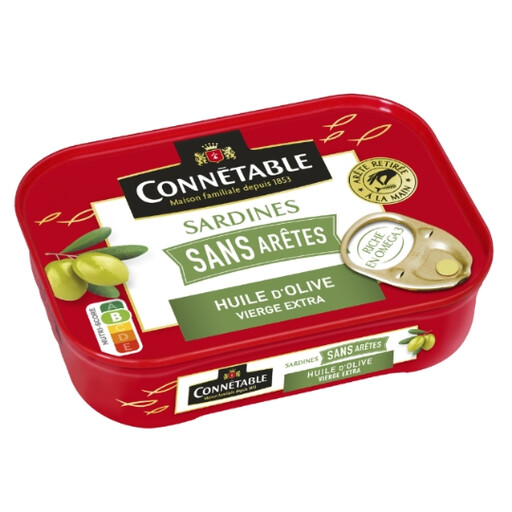 Image unavailable
An option to consider for adding fish to a meal after your ride. If bones are a concern, check the format description on the packaging; don’t assume anything based on the fact that they’re in oil.
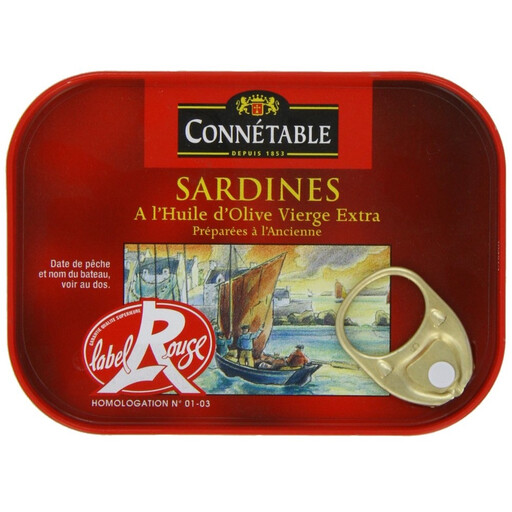 Image unavailable
Worth considering with bread or potatoes as part of a meal. If you’re comparing the amount of fish with another format, check the drained weight on the tin.
 Image unavailable
This lemon variation is an option if you’d like to try a different recipe with your meal. Check the drained weight on the packaging before comparing it with a tin of the same net weight.
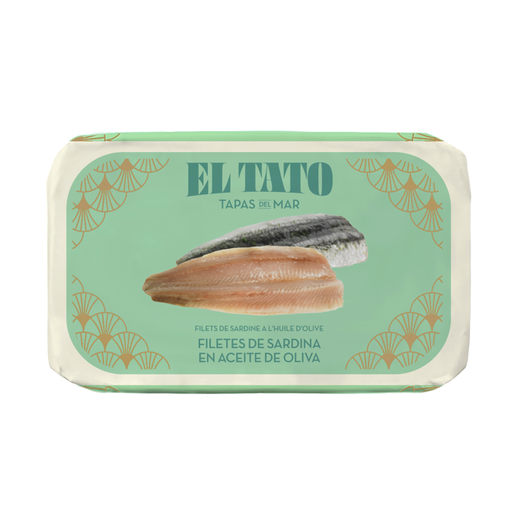 Image unavailable
The fillet format could work well as a topping for a salad or pasta dish. The title lists 115 g and 81 g: check the packaging to see what these figures refer to before comparing tins.
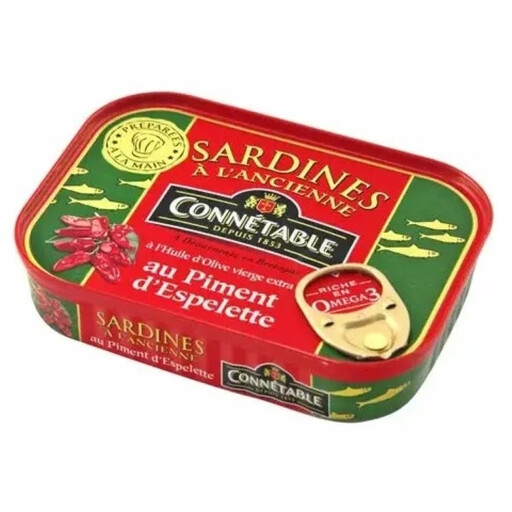 Image unavailable
This Espelette pepper recipe is for anyone looking for a seasoned option to enjoy with a meal. Compare its ingredients and drained weight with those of a plain recipe before choosing.
No, on its own it won’t provide the carbohydrates you may need during exercise. The Connétable whole-sardine product mentioned here contains 0 g of carbohydrates per 100 g, and INSEP identifies carbohydrates as the main fuel for exercise. Instead, consider having sardines as part of a meal, depending on the timing and what you can comfortably eat.
You can include them in a meal with starchy foods, vegetables and water. INSEP lists seafood as a source of protein; adapt the other parts of your meal to suit the situation rather than treating the tin as a complete meal on its own.
Follow the instructions for the product you’ve bought, and refrigerate it if the packaging says to. For the sardine fillets in olive oil mentioned here, Saupiquet says to eat them within two days of opening; don’t automatically apply that timeframe to another product.
No, sardines are just one option among oily fish. For the general population, Anses recommends varying the species and sources of fish, and including one oily fish alongside another type of fish in its recommendation of two portions of fish a week.